Bali Furniture in South African Homes: Why the Style Travels So Well
Journal 7 min read Bali furniture in South African homes: why the style travels so well. Solid weight, hand-finished detailing, organic form. Why Bali pieces sit so naturally in homes from Johannesburg to Cape Town — and how to choose them well. Bali furniture has quietly become one of the most searched and most considered…
Bali furniture has quietly become one of the most searched and most considered furniture directions in South African homes, and for good reason. The pieces have a confidence that is hard to fake — solid weight, hand-finished detailing, organic form — but they also bring something more difficult to name. A kind of warmth. A sense that the piece has a history before it ever entered the room.
That combination of substance and ease is rare, and it is part of why the style travels so well from the island it comes from to homes in Johannesburg, Cape Town and everywhere in between. But Bali furniture is not a single look, and treating it that way is where most people go slightly wrong. There is a meaningful difference between a home that uses Bali furniture beautifully and a home that ends up looking like a holiday villa that wandered into the suburbs. The difference is not in the pieces themselves — it is in how they are chosen, how they are paired, and how they are allowed to sit within the architecture they are placed in.
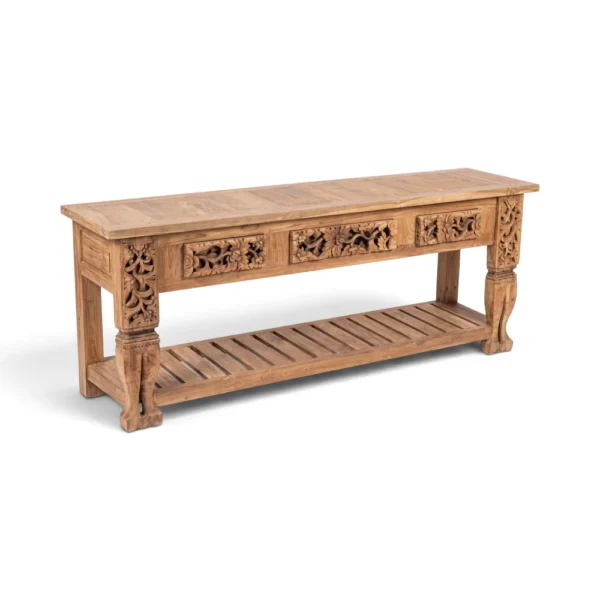
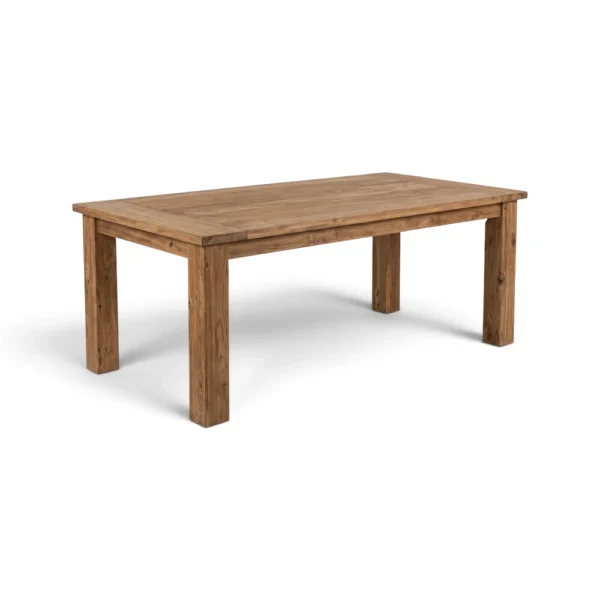
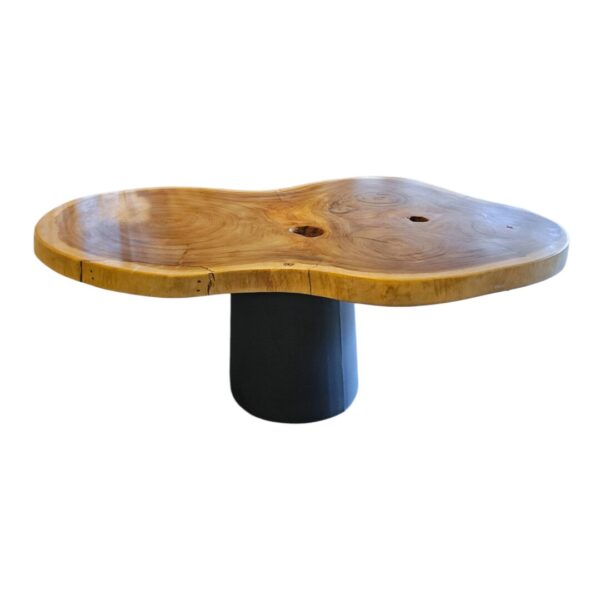
At Sotran, this is one of the most common conversations we have with clients. People come in drawn to a specific piece they have seen online — a sculptural sideboard, a heavy suar dining table, a root coffee table that looks like it grew out of the floor — and they want to know how to build a room around it without overdoing the language. The answer is rarely about restraint for its own sake. It is about understanding what Bali furniture is actually doing in a room, and letting it do that job properly.
What Bali furniture actually is, and why it feels different.
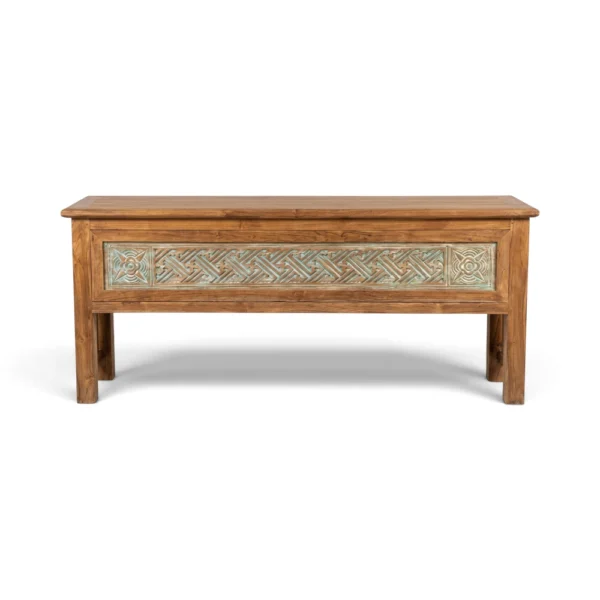
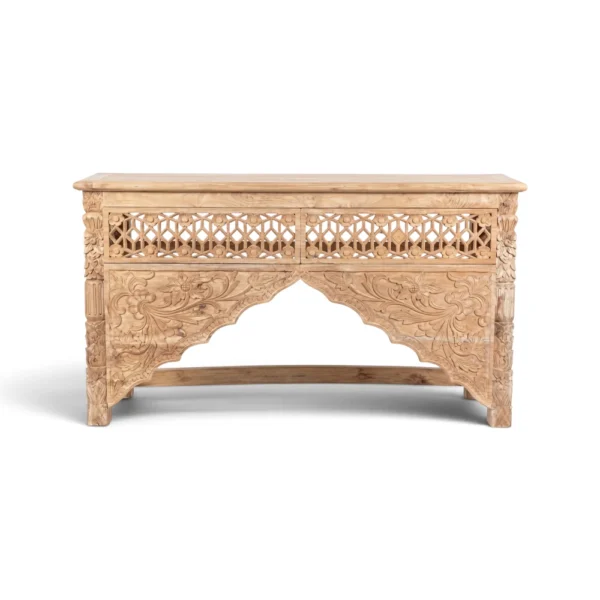
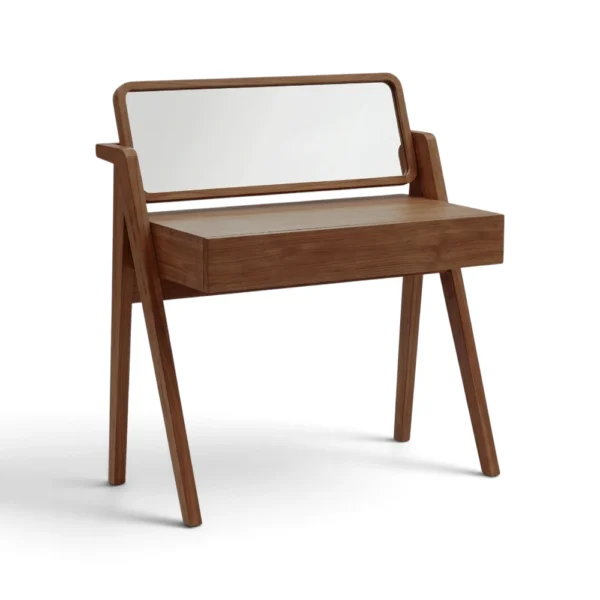
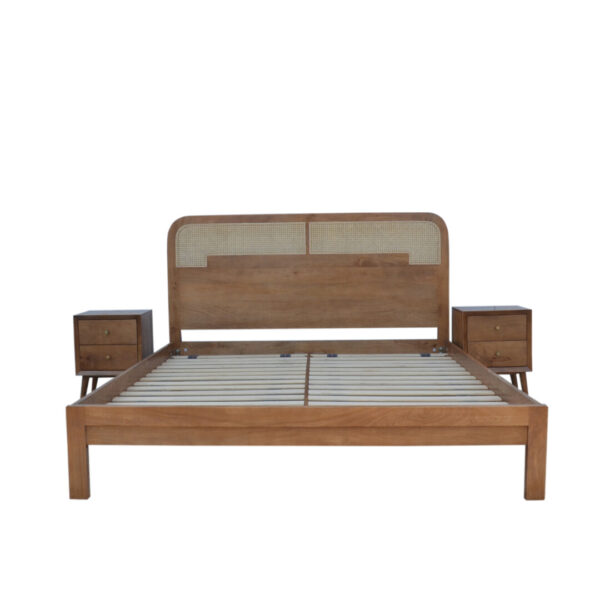
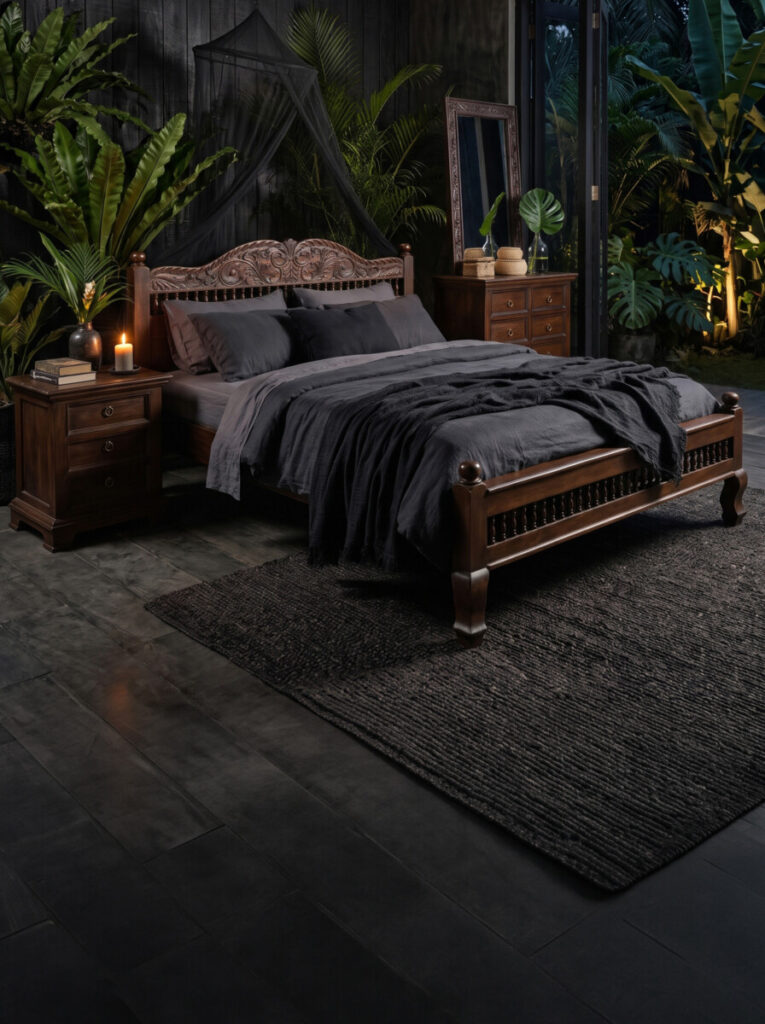
There is no single definition of Bali furniture, but the pieces that travel best to South Africa share a recognisable set of qualities. They are usually made from solid tropical hardwoods — often suar, teak or mango — with grain and weight that you can feel the moment you sit at the table. The forms tend to be organic rather than geometric, shaped by the wood itself as much as by the maker. Hand-carving, root cuts, live edges and visible joinery are part of the language, not flaws to be hidden. The finish is usually softer than European furniture, allowing the timber to read as timber rather than as a coated surface.
That sounds technical, but the effect is immediate. A well-chosen Bali piece changes the gravity of a room. It anchors the space without needing to dominate it. It feels older than it is, in the best possible way. And in our light, which is brighter and warmer than most of Europe and North America, the materials read with more depth than they do in their original showroom photographs.
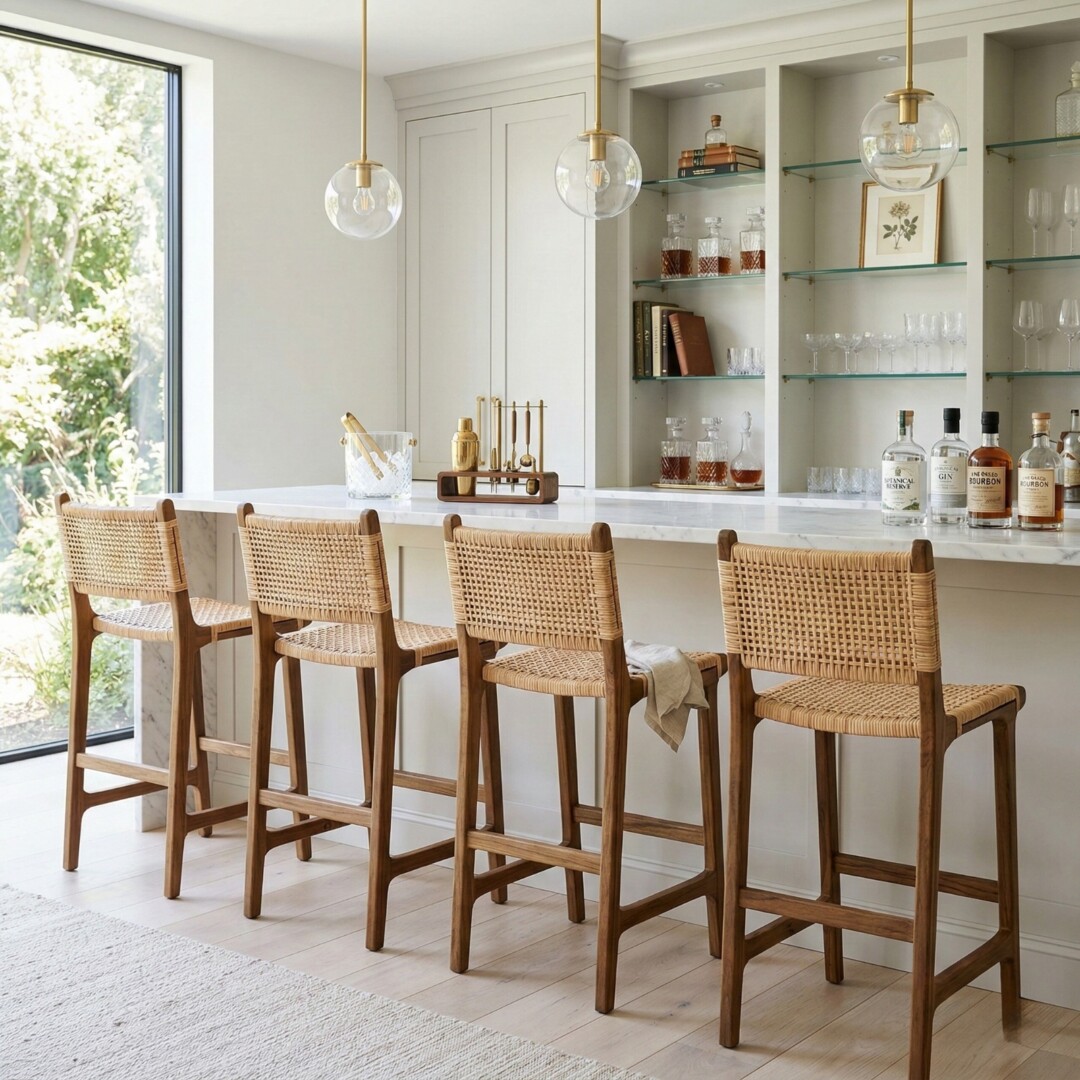
Why the style works so well in South African homes.
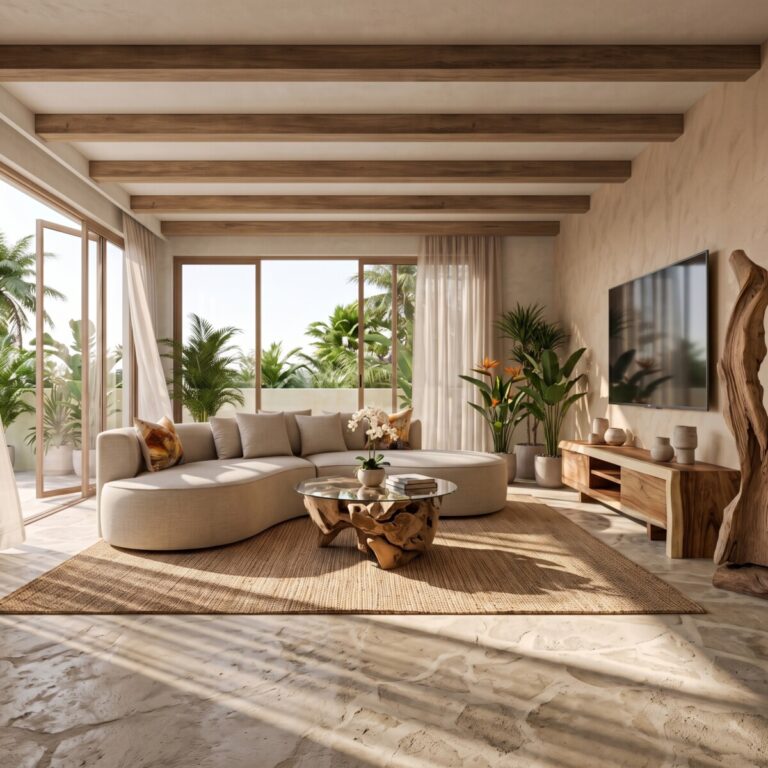
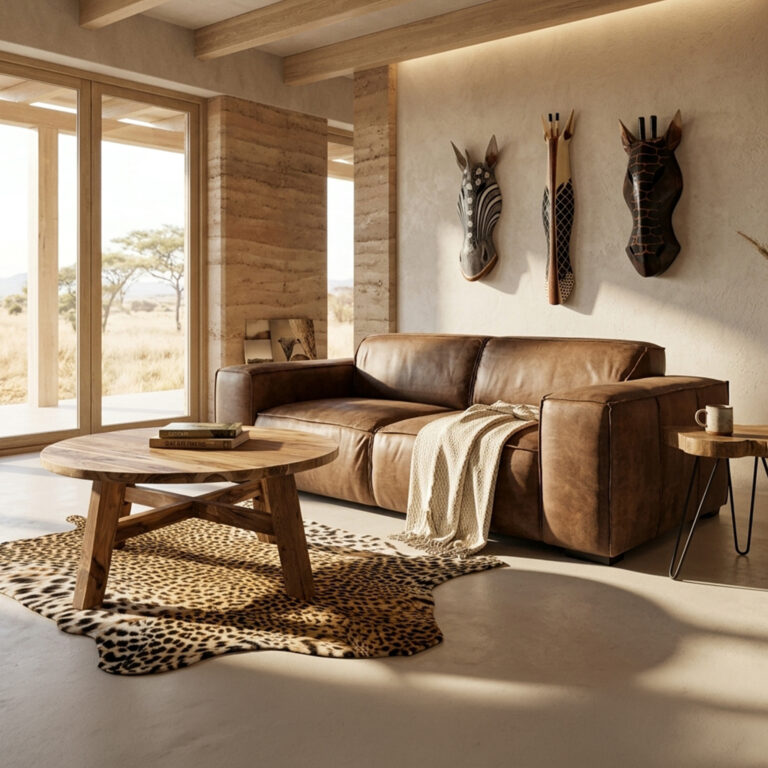
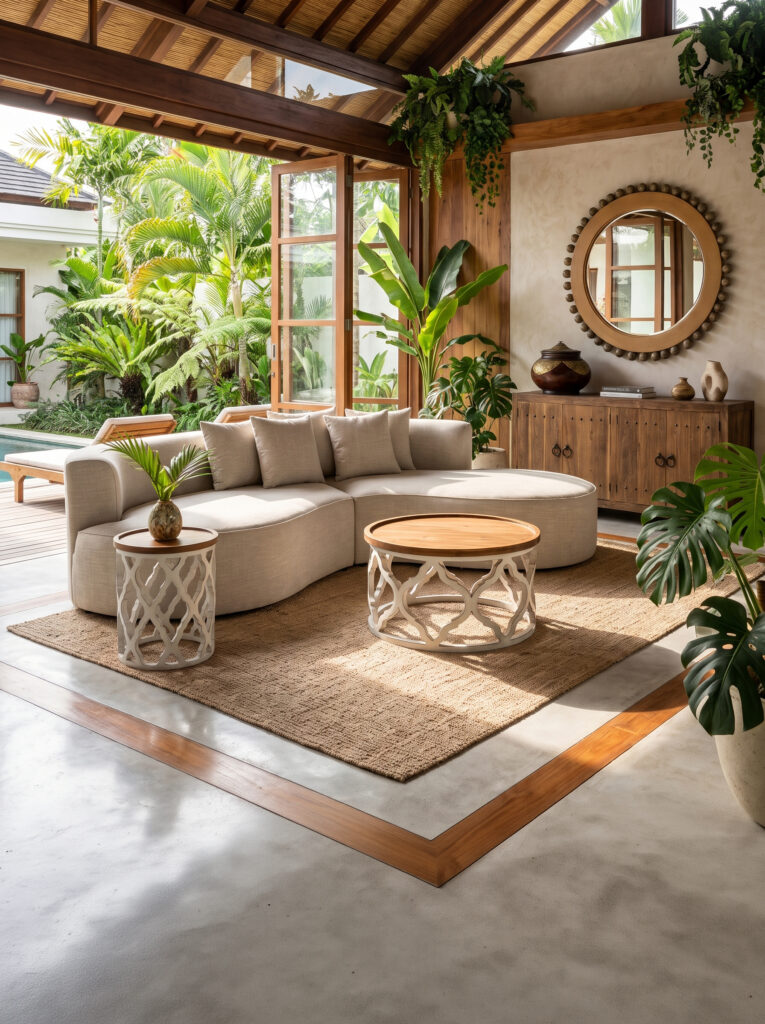
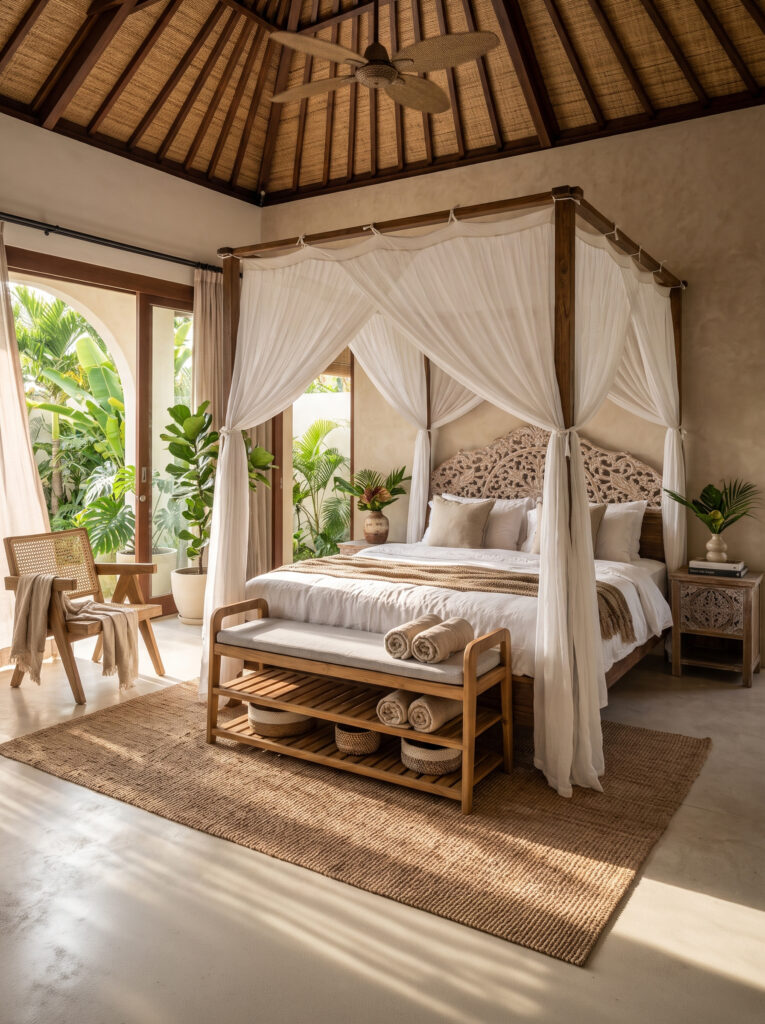
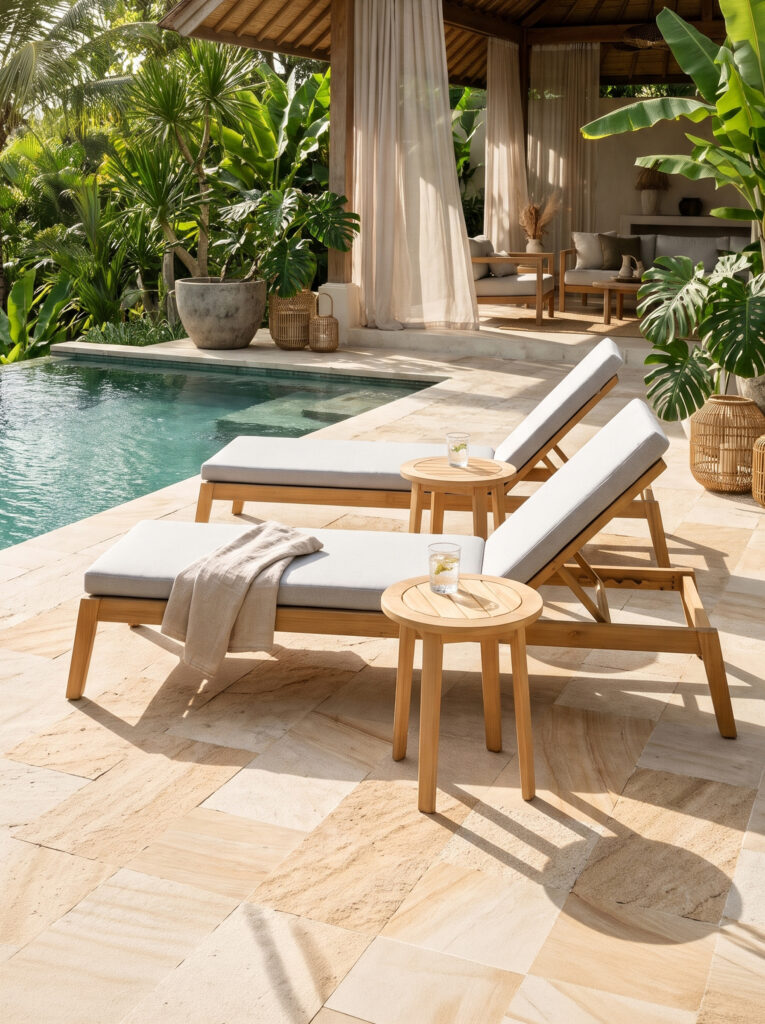
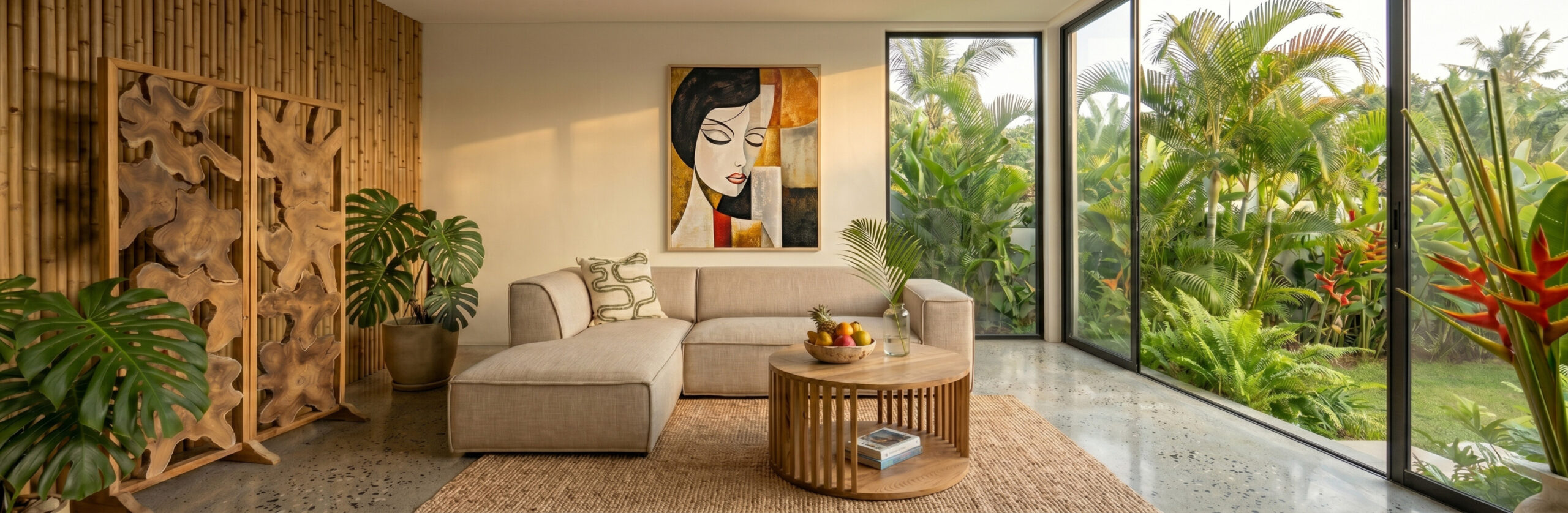
South African homes already speak a language Bali furniture understands. Our architecture often opens to the outside, our living spaces tend to be larger and more sociable, and our light asks for materials that can hold their own without becoming washed out. Heavy timber, organic form and tactile finishes do that effortlessly. There is also a cultural fit. The South African appetite for materials with provenance, for furniture that feels handmade rather than mass-produced, and for rooms that feel hospitable rather than precious lines up almost exactly with what Bali furniture offers. It is one of the reasons the style sits so naturally alongside our own design directions, particularly Modern Tropical and Safari Lodge, both of which share a similar respect for solid materials and unforced atmosphere.
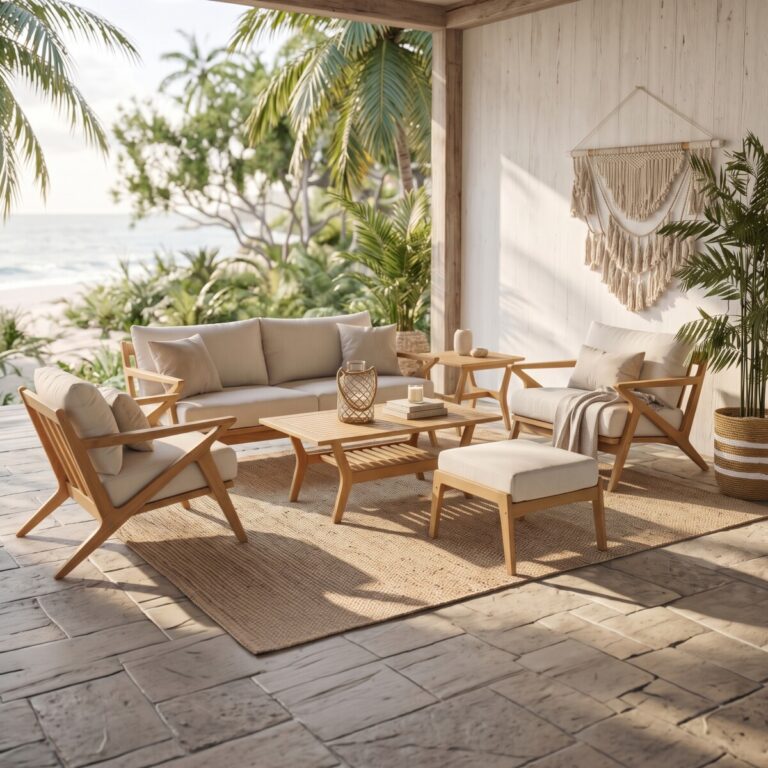
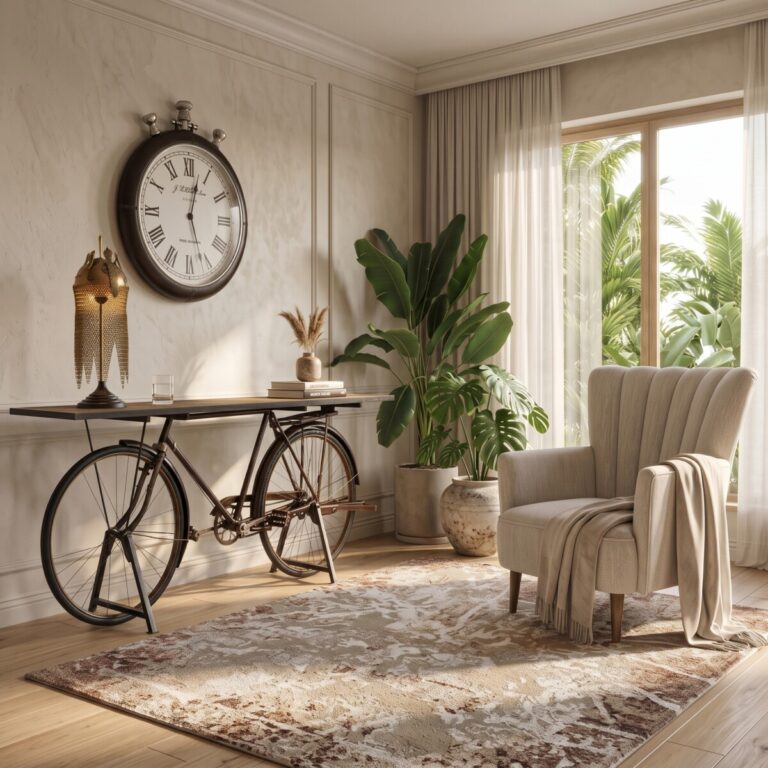
It is also, for what it is, surprisingly versatile. A single Bali piece can transform a contemporary minimalist room without making it feel themed. A larger collection can give a family home a sense of weight and permanence that feels years lived-in from the day it arrives. The pieces are quiet enough to layer with other directions and confident enough to stand alone.
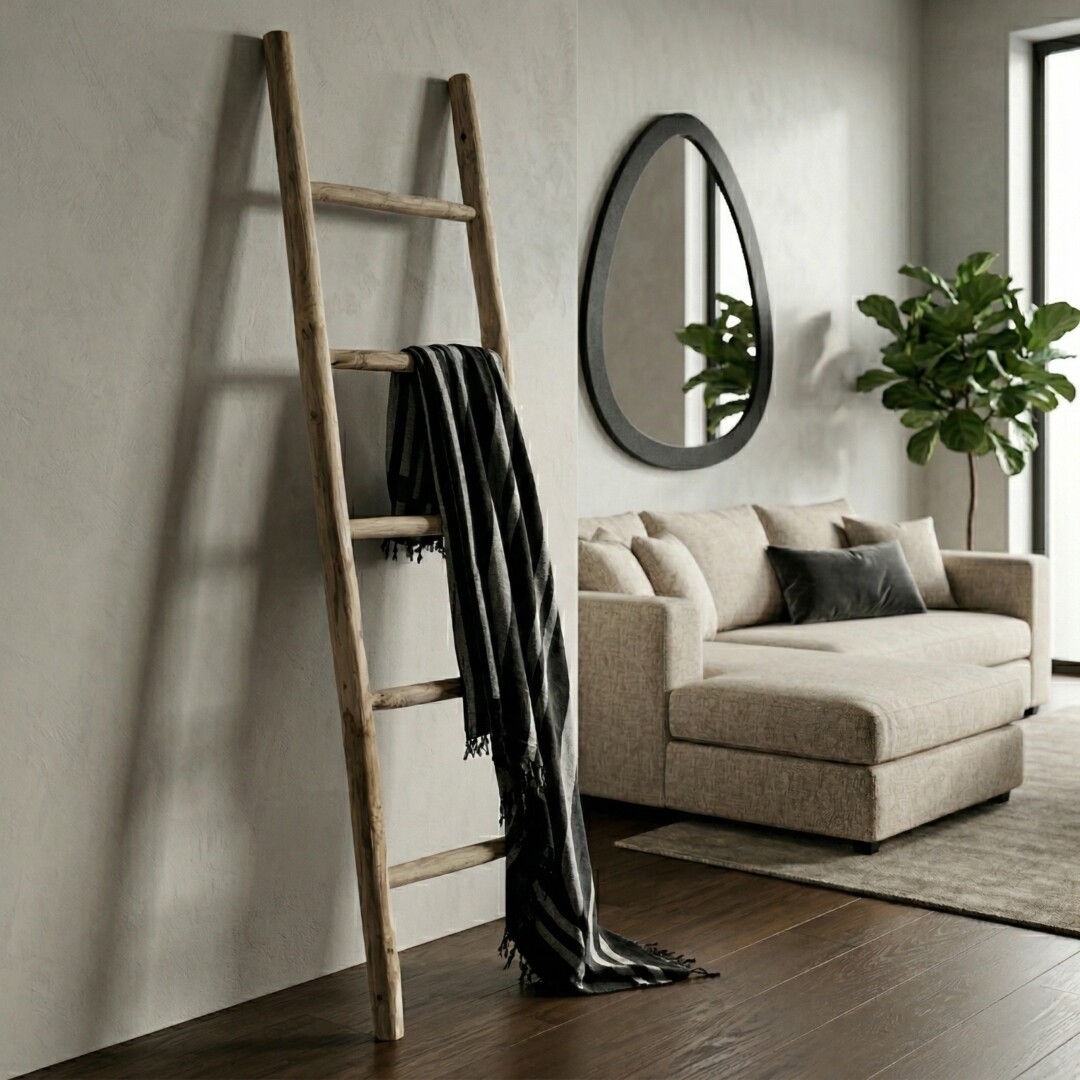
Where Bali furniture genuinely shines.
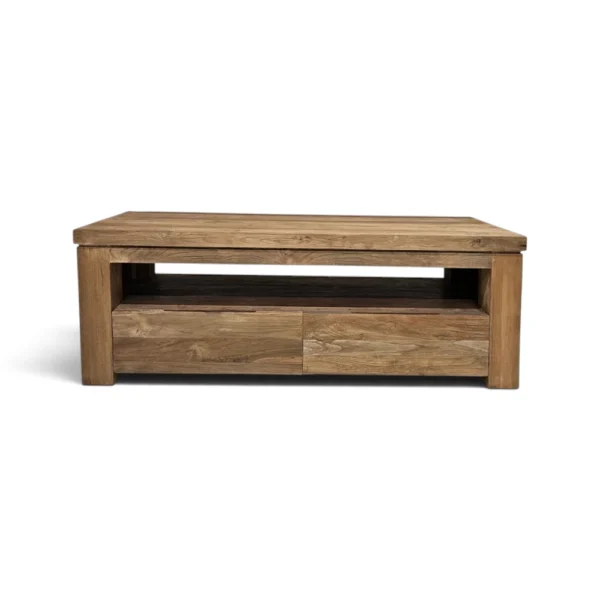
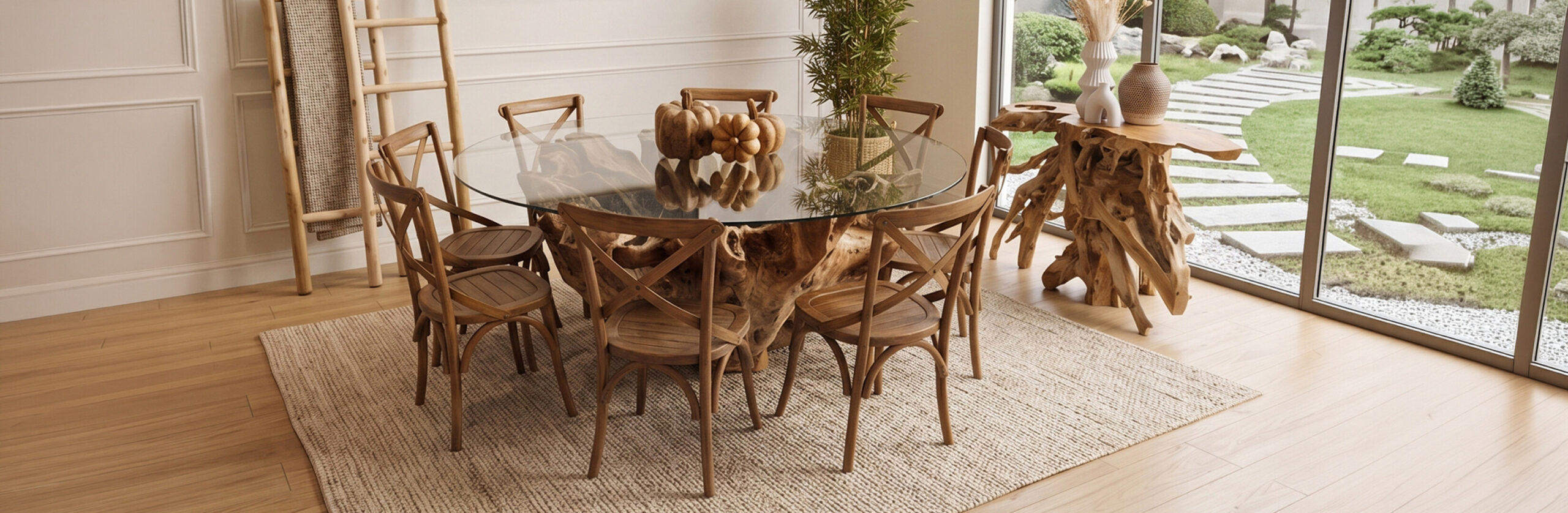
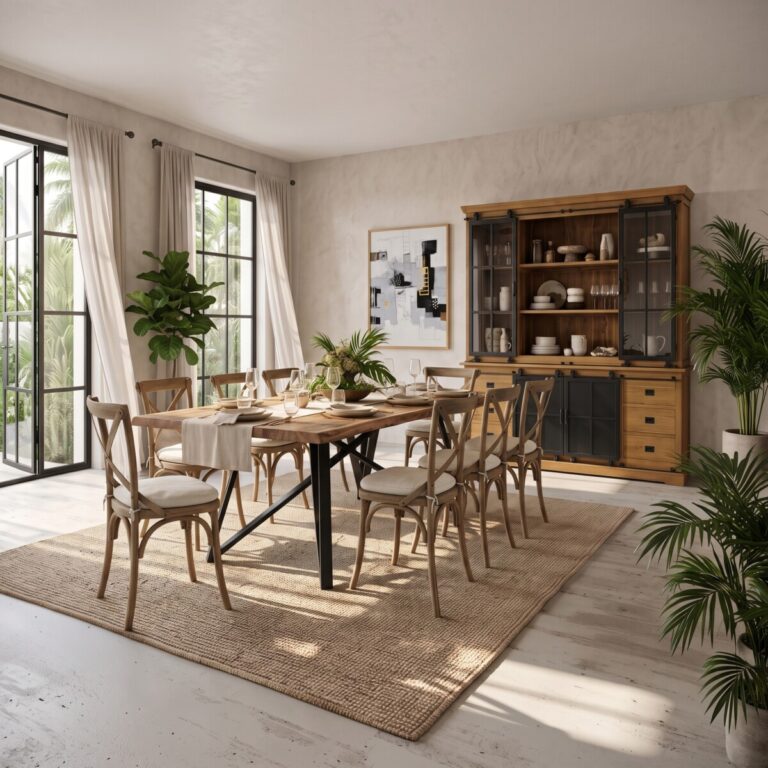
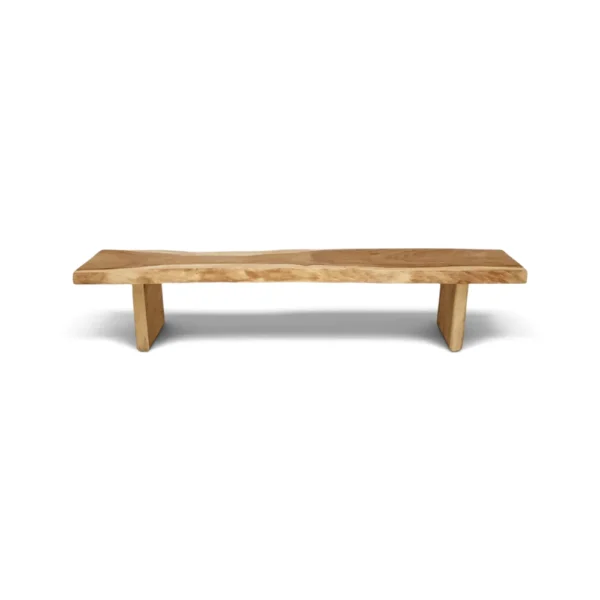
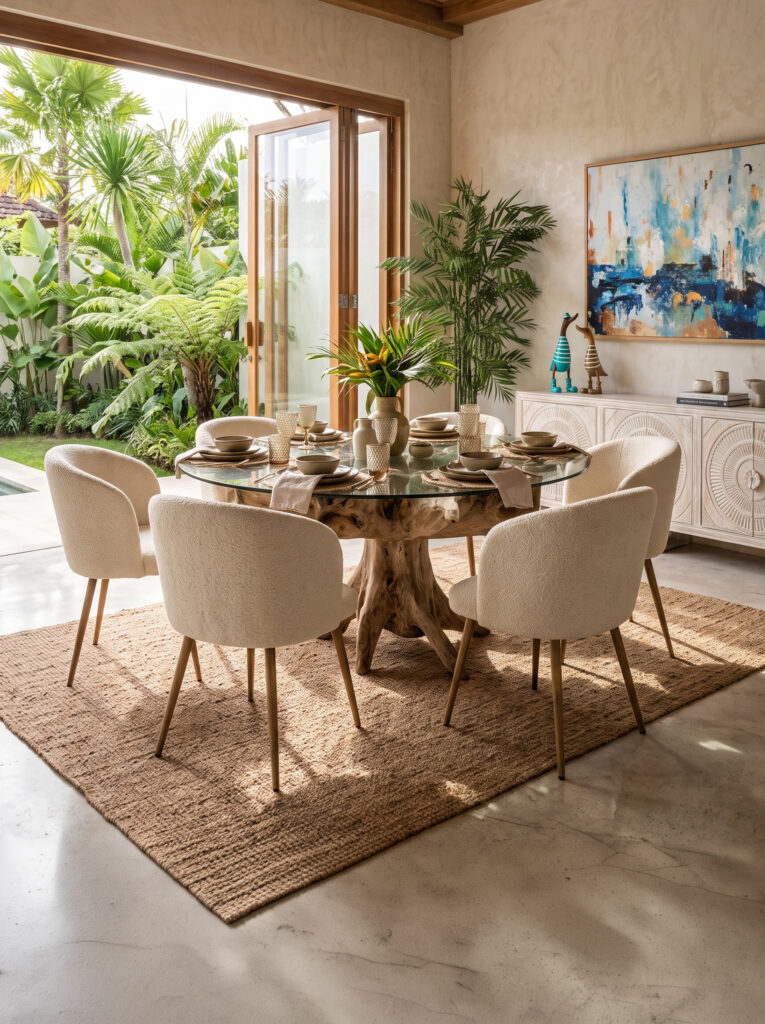
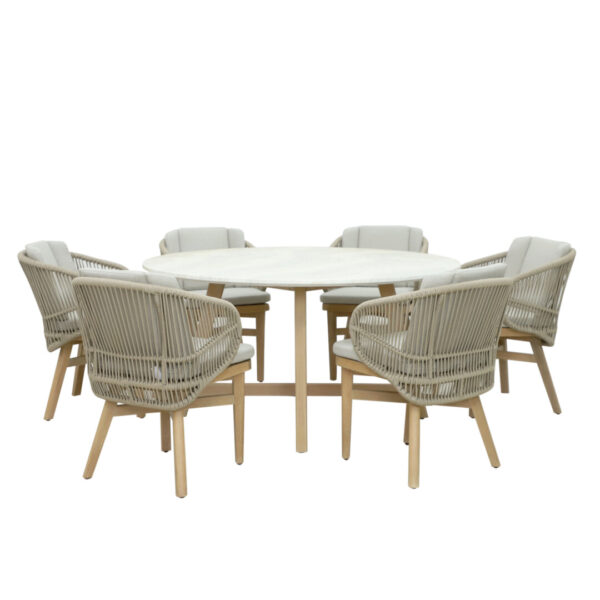
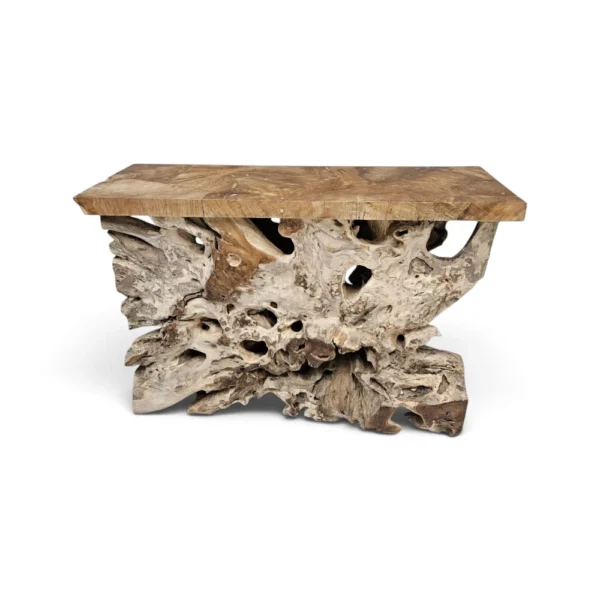
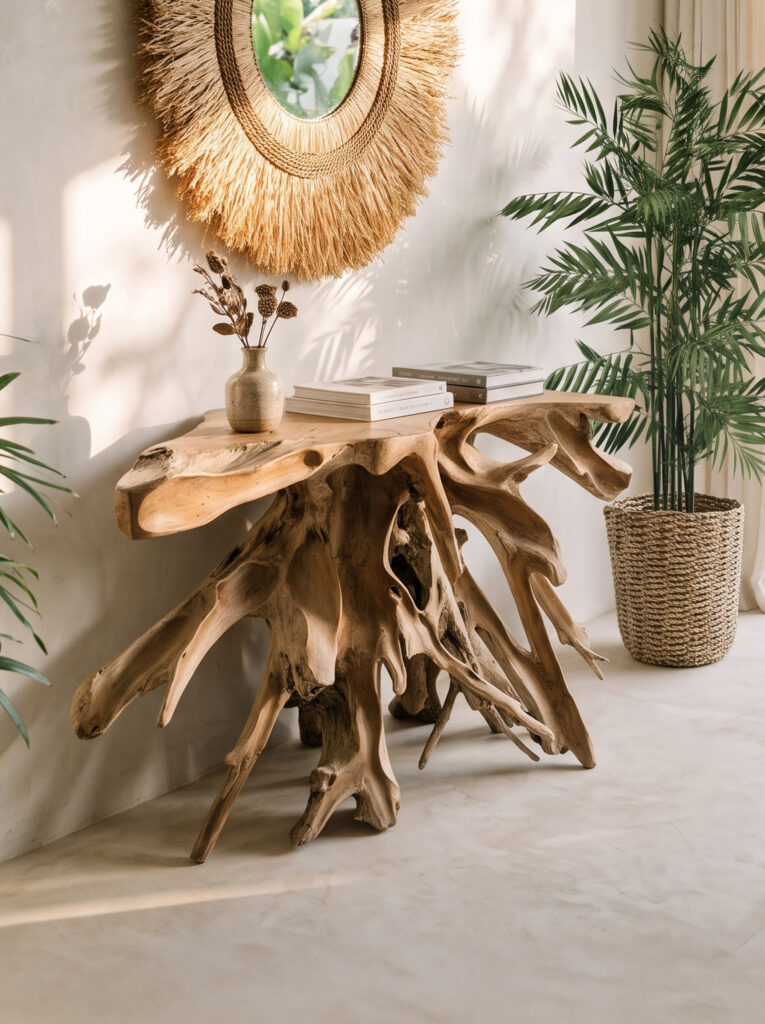
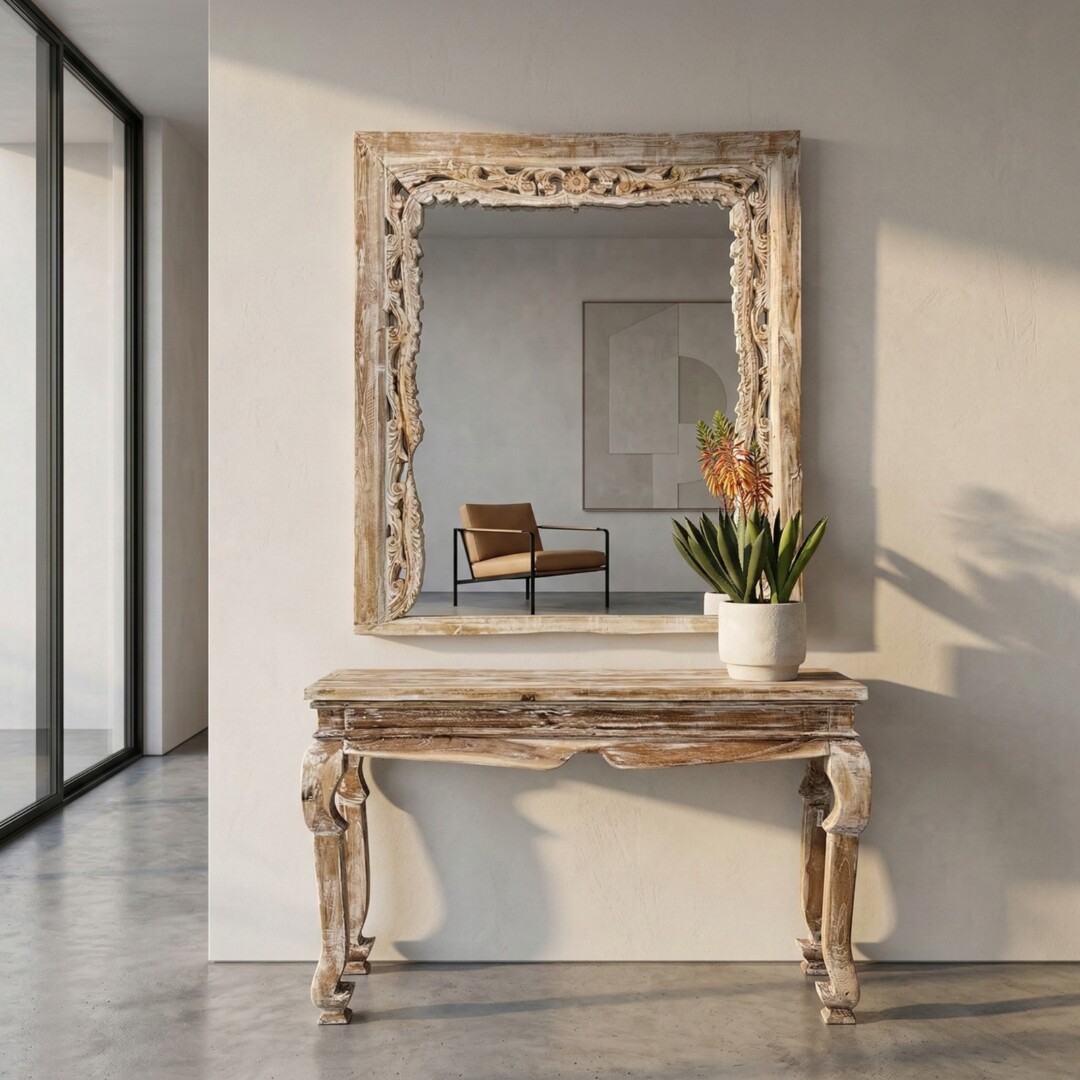
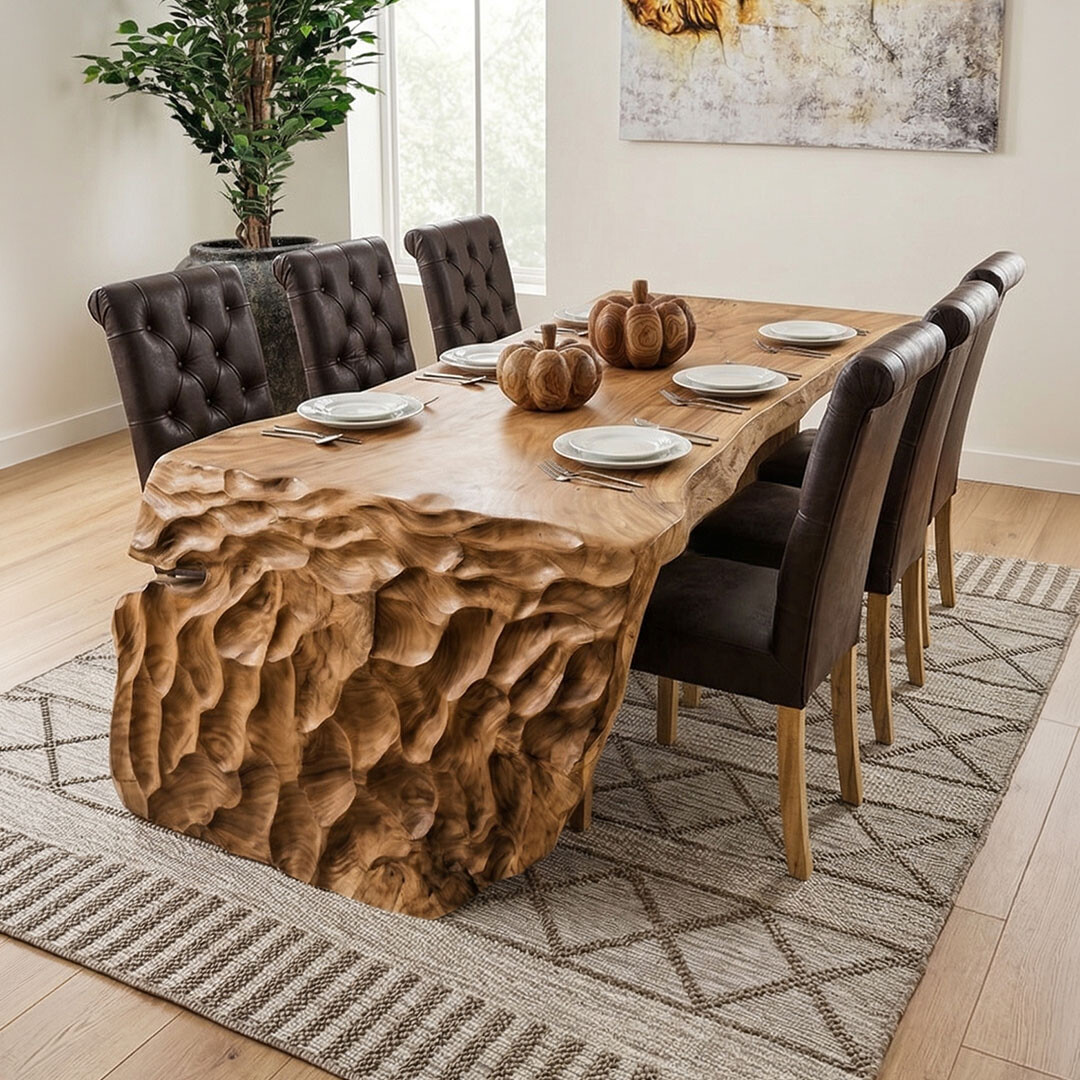
Some pieces and applications are where the style does its best work. Dining tables are often the strongest entry point. A solid suar dining table with a live edge or a substantial slab top has a presence very few other materials can match, and it ages beautifully across years of family meals and Sunday lunches. Root furniture is another category where Bali craftsmanship leads the world. A root coffee table or root side table is genuinely sculptural, no two are alike, and they bring a sense of natural form into a room that no manufactured piece can replicate.
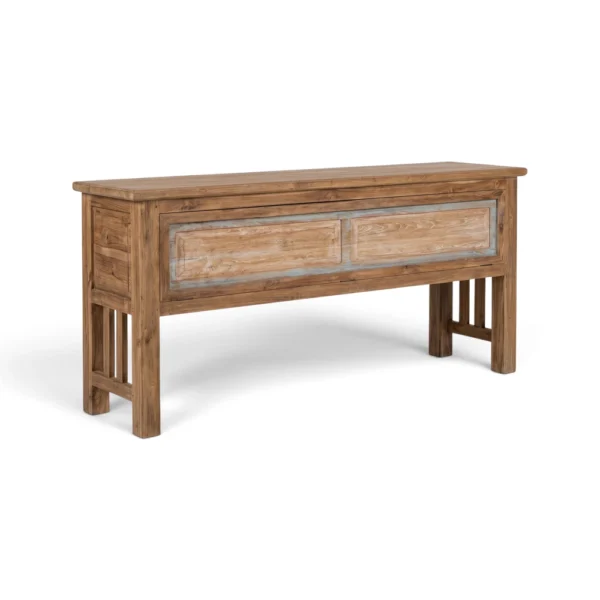
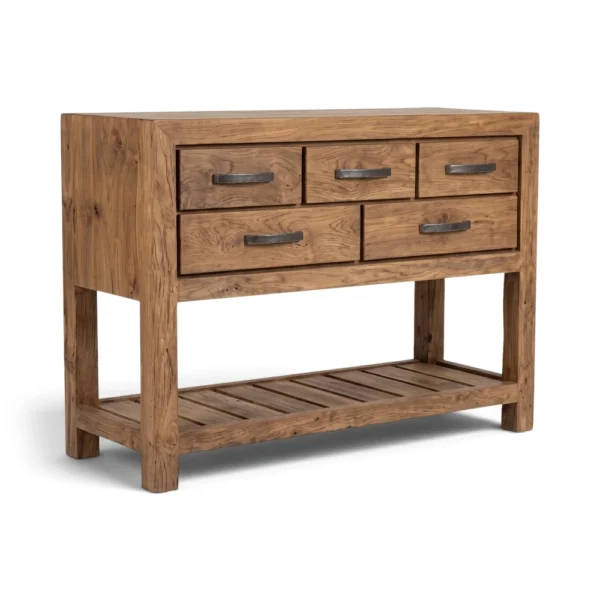
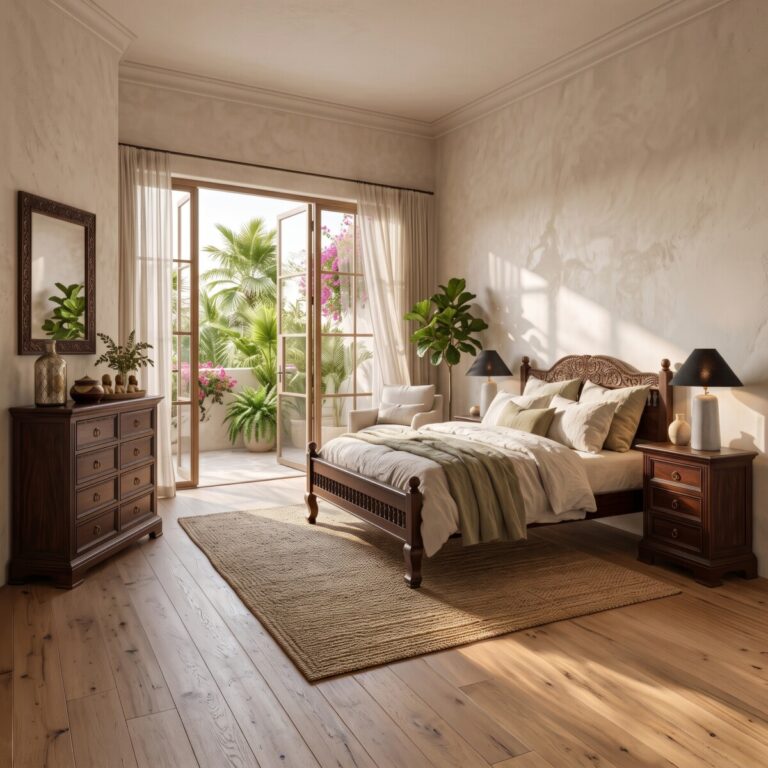
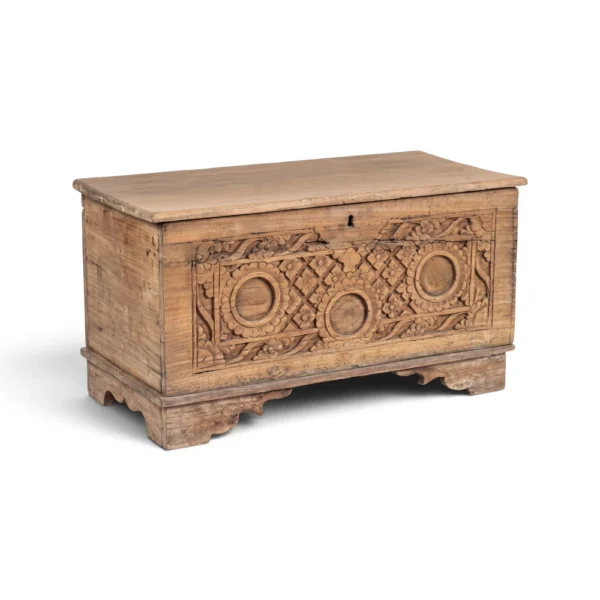
Beyond those signature categories, Bali-made sideboards and consoles, hand-carved cabinets and bar pieces also tend to perform exceptionally well. They suit homes with strong natural light, double-volume living spaces, open-plan kitchens that flow into living areas, and weekend houses where the architecture is allowed to relax a little. They are also at home in more contemporary city apartments, particularly when used as a single statement piece against quieter modern furniture.
Where it can go wrong.
This is the conversation people usually need most. Bali furniture is at its strongest when it is allowed to be one strong voice in a room, not the only voice. When every piece in the room is heavily carved, deeply tropical, and visually weighted, the room starts to read as a theme rather than as a home. The pieces stop anchoring the space and start competing with each other, and the language loses its quietness.
The same issue can appear when the architecture and the furniture are pulling in different directions. A very light, contemporary apartment with cool finishes and minimal lines can struggle to absorb a fully Bali-styled interior. That does not mean the style does not belong there. It usually means a more selective approach is needed, with one or two confident pieces doing the work that ten lesser pieces would not.
“Choosing well, in this style especially, is almost always about choosing fewer.”
How to layer Bali furniture without overdoing it.
The strongest Bali-influenced rooms tend to follow a few quiet principles — and once you see them, you start spotting the homes that get it right and the ones that don’t.
Décor follows the same principle. A few well-chosen vases, a glass-on-wood piece or a single sculptural object can carry the language without overpowering the room. The goal is for the Bali pieces to feel like they have been collected over time, not bought as a set.
Choosing well, online or in-store.
There is more than one good way to choose Bali furniture. A wide selection of the Sotran range is available to shop online, with detailed product photography, dimensions and material information, and the team is on hand by WhatsApp, phone or email to help with scale, finish or pairing questions. Combined with nationwide delivery, this makes ordering Bali pieces from anywhere in South Africa a confident, considered process.
For clients who would rather see pieces in person, our showrooms in Boksburg, Fourways and Somerset West hold a broader selection — including pieces not always listed online — and allow you to walk around a sideboard, sit at the dining table and feel the weight of a timber before committing. Either route leads to the same outcome: a piece chosen because it suits the home, not because it suited the moodboard.
A more informed way to bring Bali home.
Bali furniture earns its place in South African homes because it does something most other furniture directions cannot. It brings weight without heaviness, character without theme, and craftsmanship without preciousness. Chosen well and used with restraint, it can quietly transform a room. Chosen poorly or layered too thickly, it can flatten a room into a single note.
The value lies in understanding which pieces matter most, where they should sit, and how much surrounding quiet they need to do their job. That is where considered selection makes all the difference.
A few quick questions.
What makes Bali furniture different from other tropical furniture?
Bali furniture is typically made from solid tropical hardwoods, hand-finished, with organic forms and visible craftsmanship. The pieces tend to feel heavier and more sculptural than mass-produced tropical furniture, and they often retain natural features like live edges or root cuts rather than hiding them. That craftsmanship is much of what gives the style its weight and atmosphere.
What woods are most commonly used in Bali furniture?
Suar, teak and mango are the most common, with each offering a slightly different grain, weight and ageing character. Suar is particularly known for its bold grain and the size of slab it can produce, which is part of why suar dining tables have become a signature piece in the category.
Does Bali furniture suit modern South African homes?
Yes, often very well. Many contemporary South African homes have the light, scale and openness that Bali furniture responds to. The key is selection rather than saturation — one or two confident pieces can transform a modern interior, while a fully Bali-styled room can start to feel themed in a more minimalist architecture.
How do I stop Bali furniture from making my home look like a holiday villa?
Lead with one anchor piece, balance solid timber with softer materials elsewhere in the room, give the larger pieces space to be read properly, and resist repeating the language too often. The strongest Bali-influenced rooms feel collected over time rather than bought as a set.
Can I shop Bali furniture from Sotran online?
Yes. A wide selection from the Sotran range is available to shop online at sotran.co.za, with nationwide delivery across South Africa. The complete collection, including pieces not always listed online, is best seen in our Boksburg, Fourways or Somerset West showrooms, and the team is always available to help with scale, pairing or finish questions before you order.
How do I care for Bali furniture in our climate?
Solid hardwood furniture generally responds well to South African conditions, but it benefits from being kept out of direct, prolonged sunlight and from periodic care with the right wood treatment. Detailed care guidance is included with most pieces, and the Sotran team can advise on the right approach for the specific timber you choose.