In defence of the home bar
In defence of the home bar. Far from a dusty novelty, a home bar is the most sociable piece of furniture in the house. Where to put one, how to choose a counter or cabinet, and the details that make guests stay a little longer.
The home bar has an image problem. Say the words and most people picture a dark corner of a garage, a few dusty bottles and a neon sign nobody has switched on in years. It is treated as a novelty at best, and a cliché at worst.
That reputation sells it short. At its best, a home bar is the most sociable piece of furniture in the house. It is where guests drift to when they arrive, where a quiet drink turns into a long conversation and where the host can pour, talk and stay part of the evening instead of disappearing into the kitchen.
In a country that entertains as naturally as South Africa does, that is worth defending.
What a home bar is really for.
Watch any gathering and the same thing happens. People stand. They lean on the kitchen island, cluster near the braai and hover wherever the drinks are. A home bar gives that instinct a proper place, with a surface at standing height, somewhere to set a glass down and a natural focal point that draws people together without anyone having to arrange it.
It also takes pressure off the kitchen. With glasses, bottles and ice gathered in one spot, the cook keeps the counter and the guests keep each other company.
A good home bar is less about drinking and more about gathering.
It does not need a room of its own.
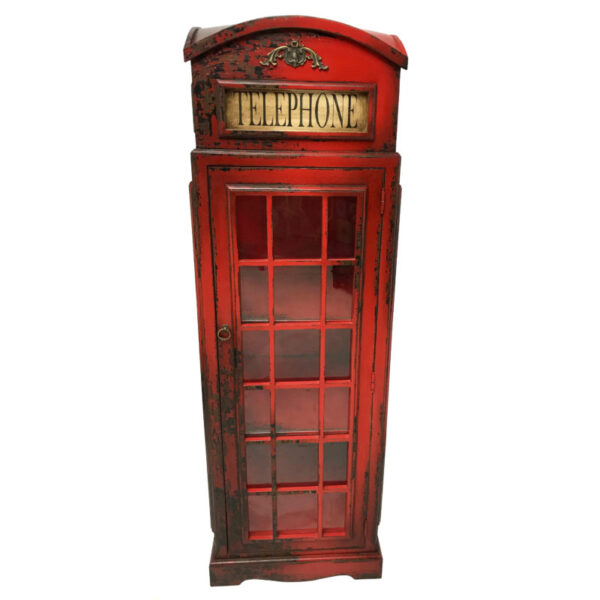
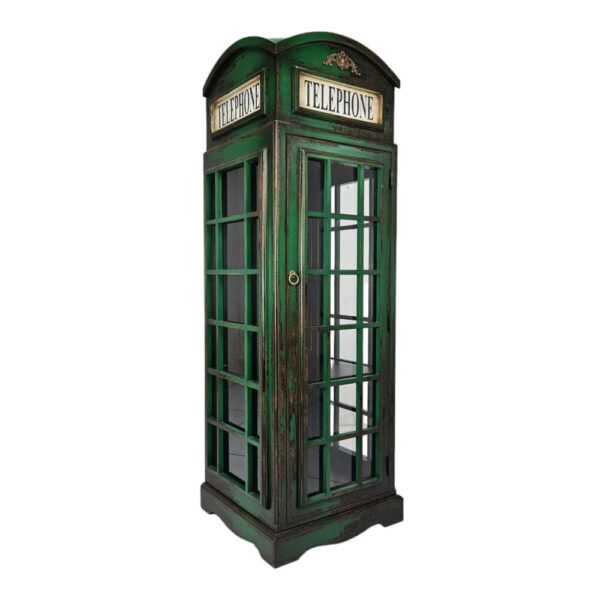
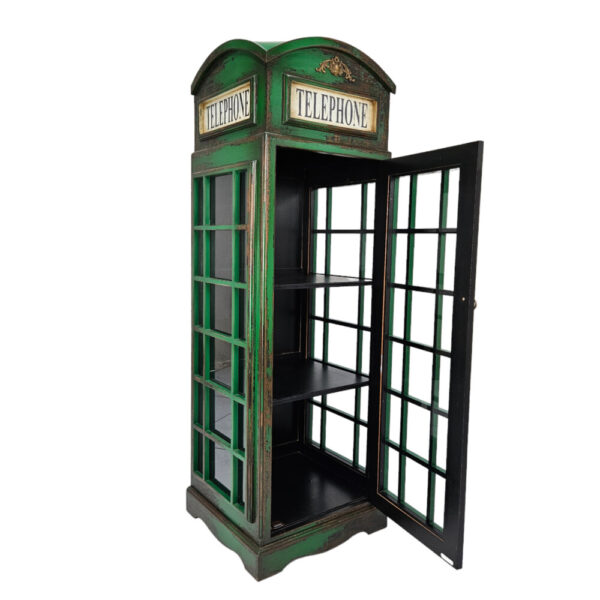
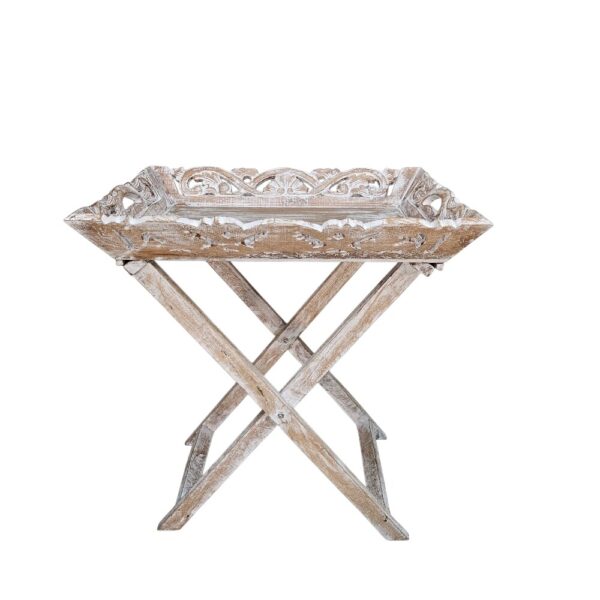
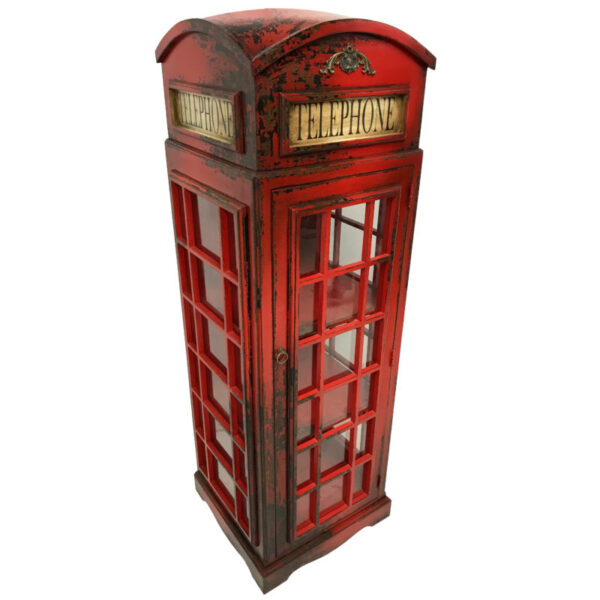
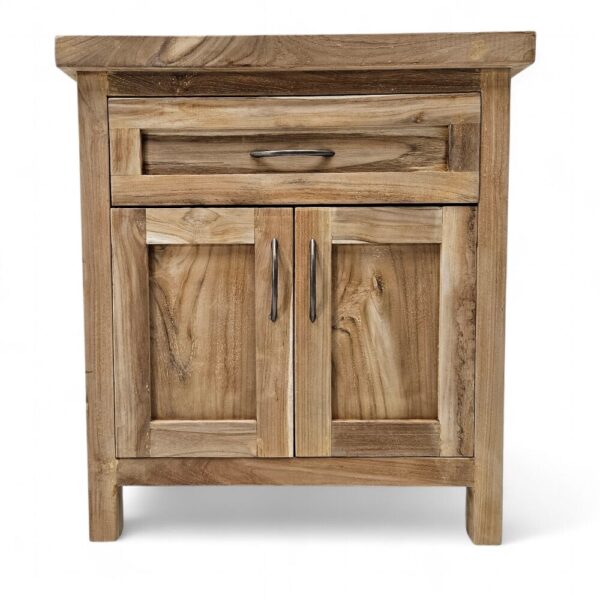
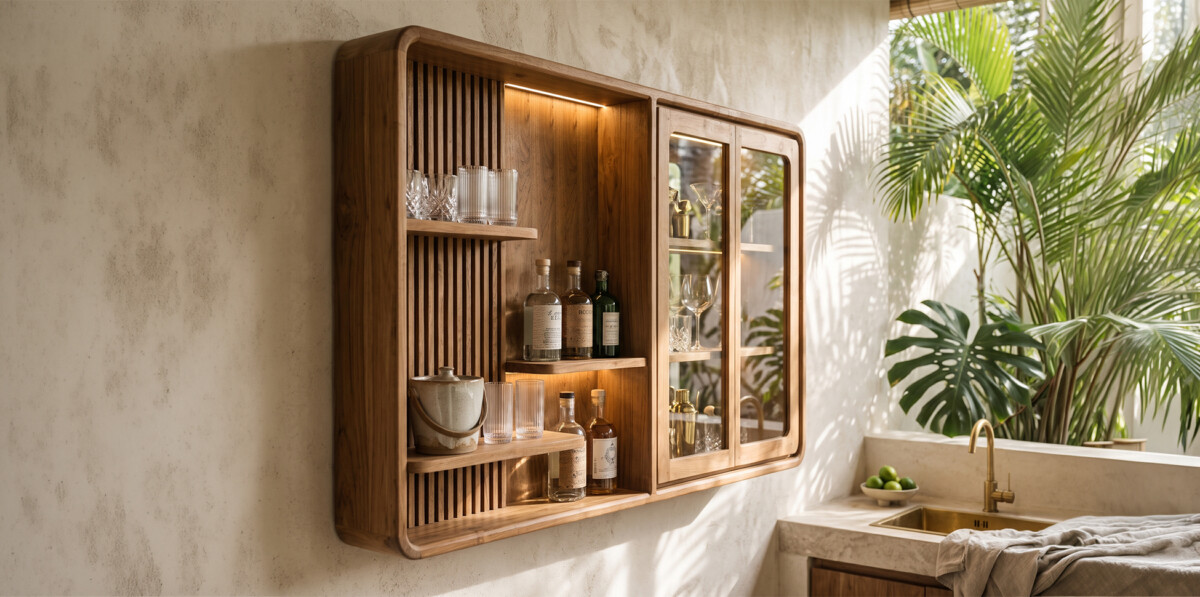
The idea that a bar needs a dedicated room is the biggest reason people never have one. In practice, many of the best home bars take up a single wall or a corner. A wall-mounted drinks cabinet with glass doors and shelves keeps bottles and glassware on display without using any floor space. A liquor cabinet with wine racks and bottle shelves stores a serious collection behind closed doors, and folding bars open into a serving counter for an evening and close again into a neat cabinet.
For homes with more space, a freestanding bar counter in a lounge, entertainment area or games room becomes a feature in its own right.
Every home has room for a bar. It is a matter of choosing the right size.
The counter as a conversation piece.
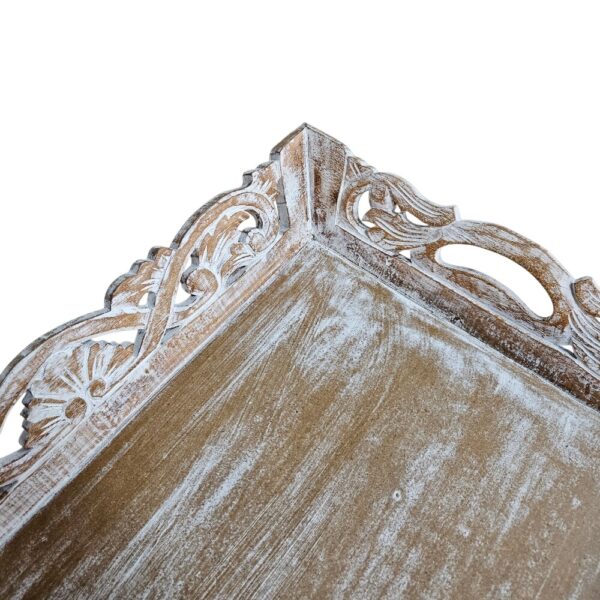
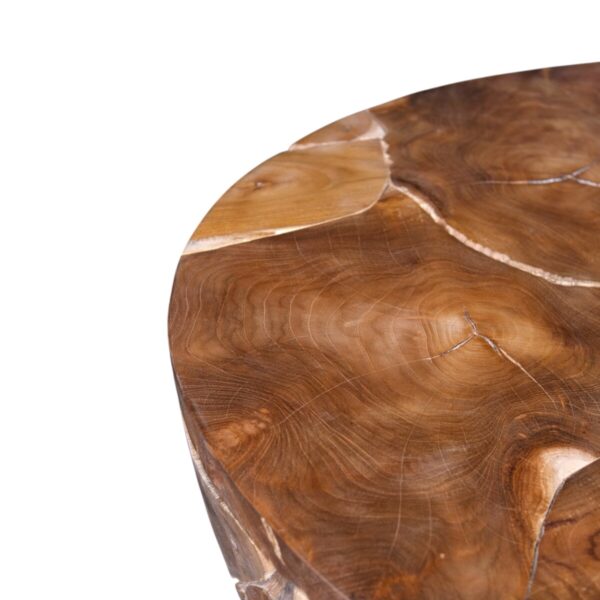
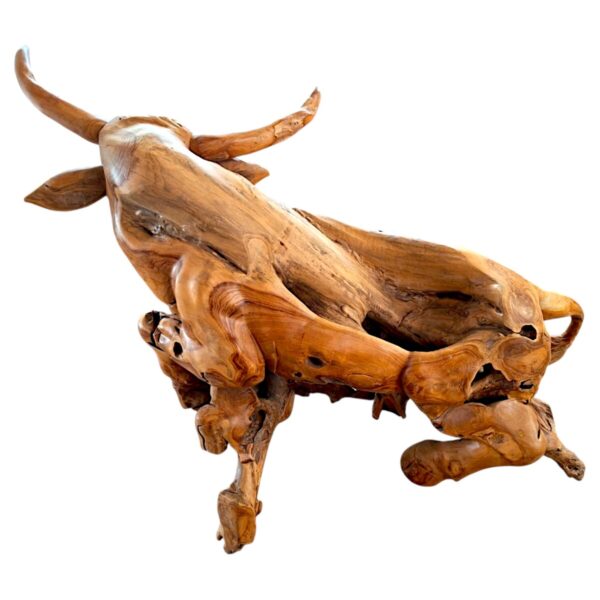
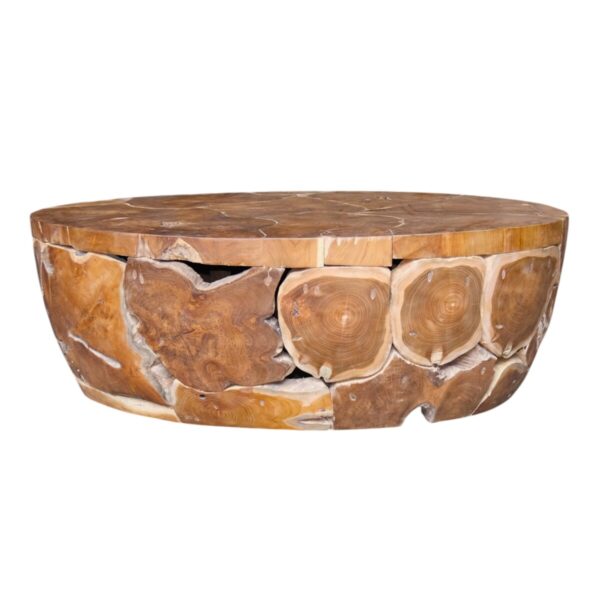
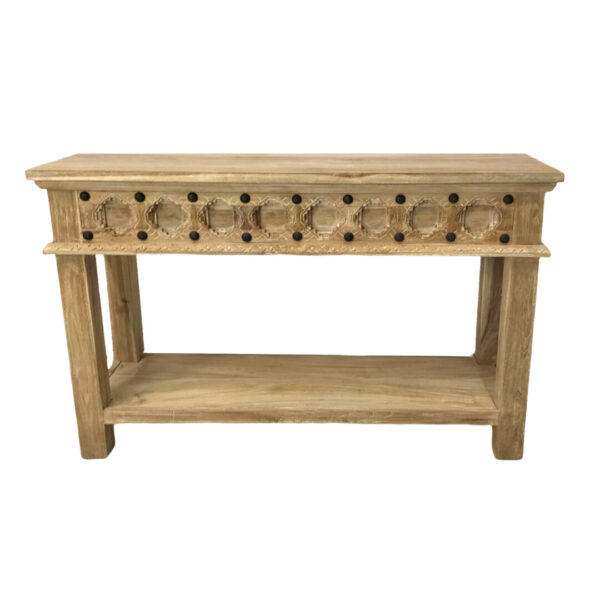
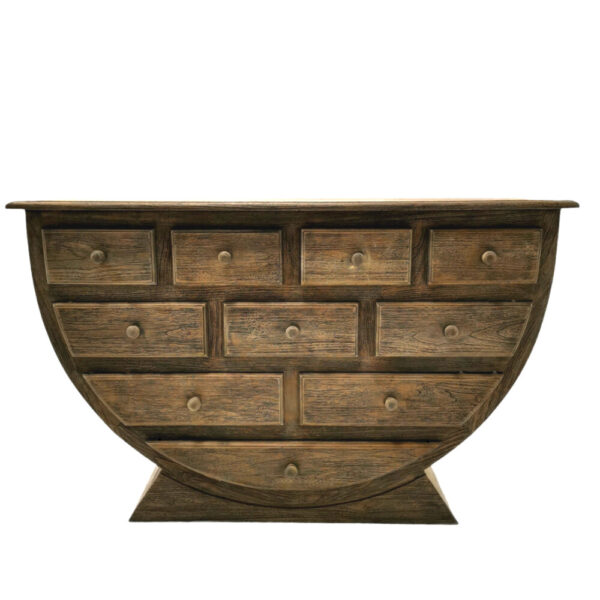
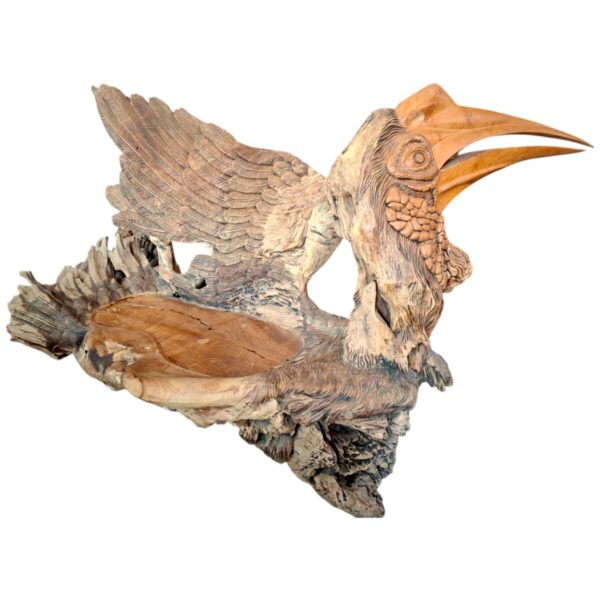
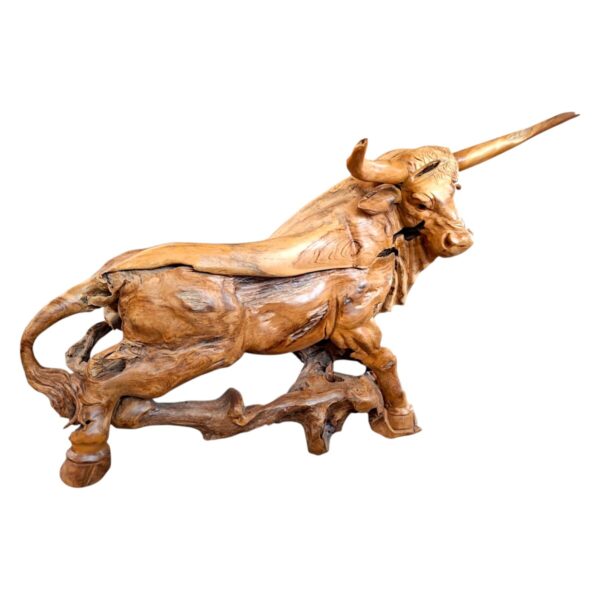
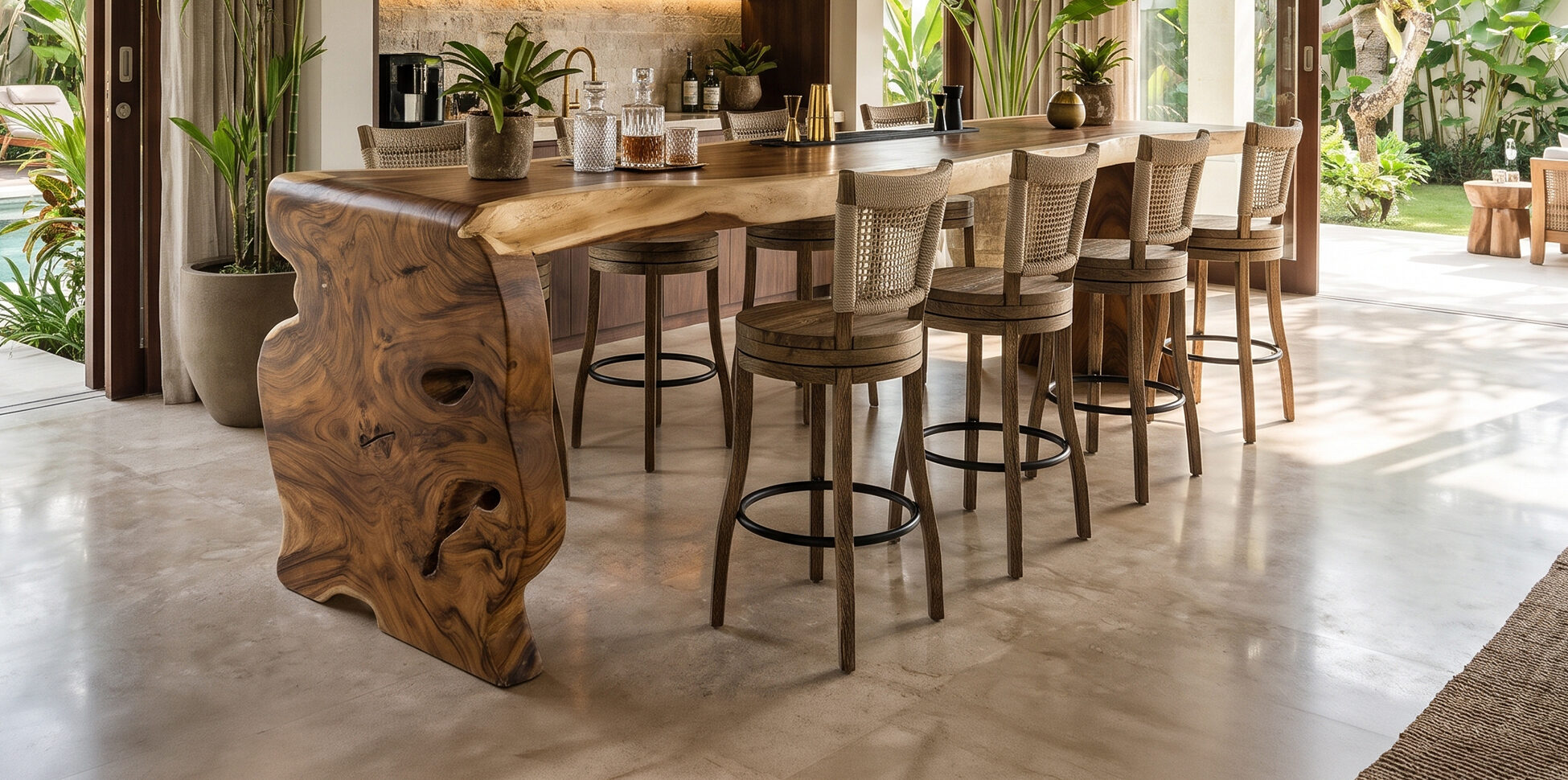
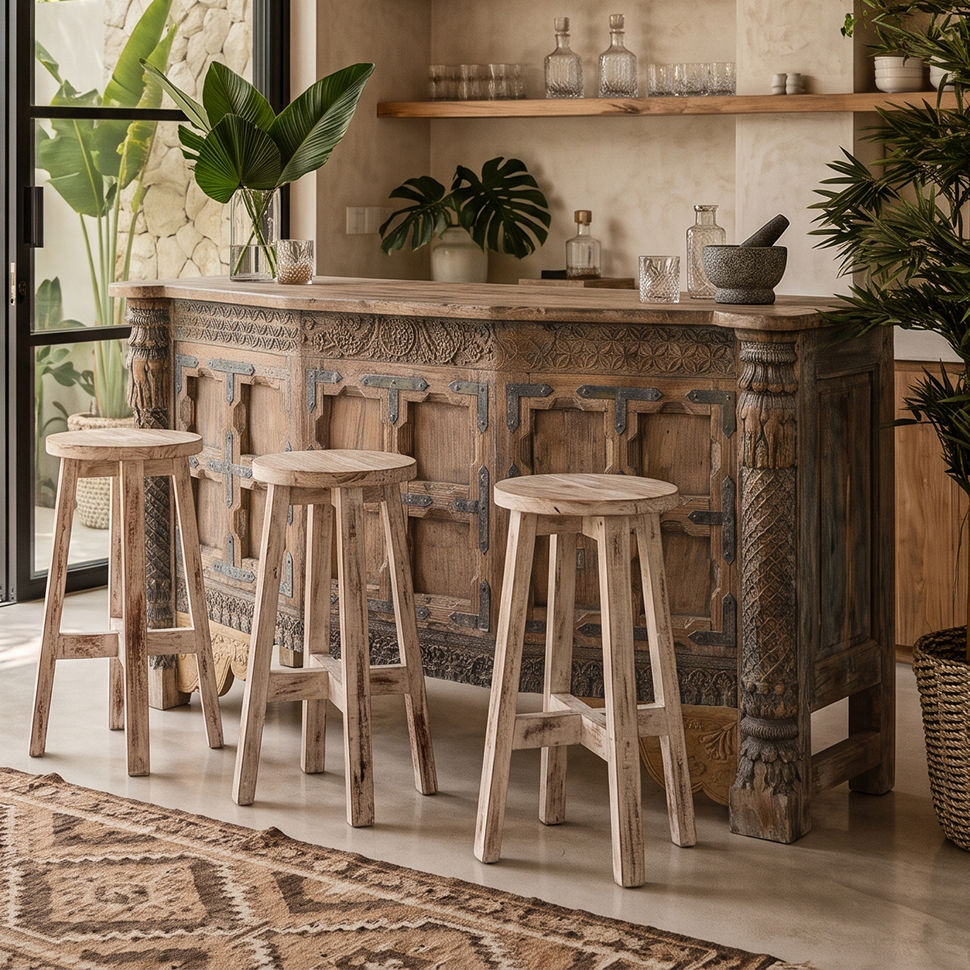
Because it is the place people gather, a bar counter is the one piece of furniture that can afford to be bold. Reclaimed timber, salvaged boat wood, hand-carved panels and live-edge slabs all give a bar real character, and the story behind the material often becomes part of the conversation over the first drink.
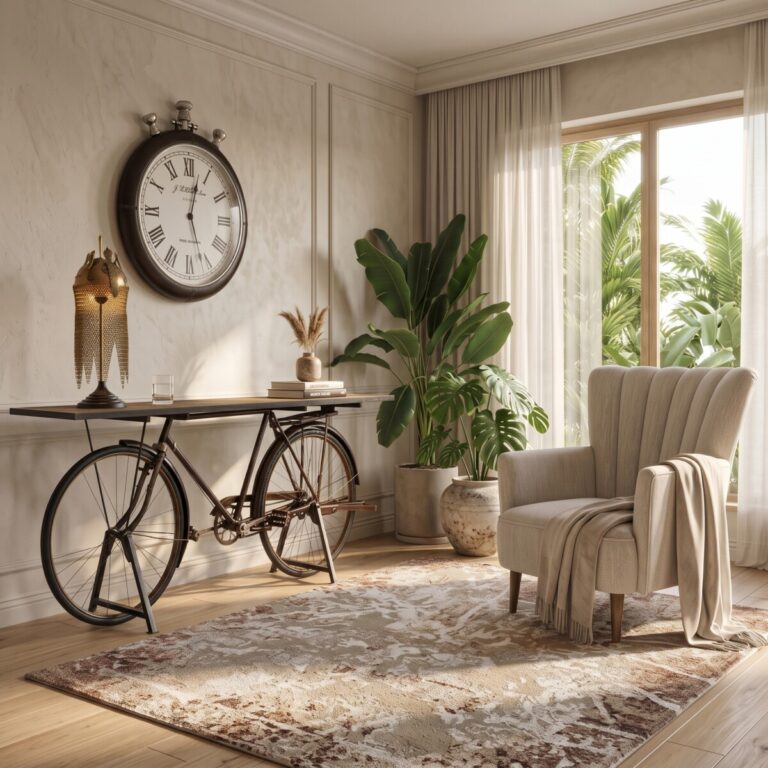
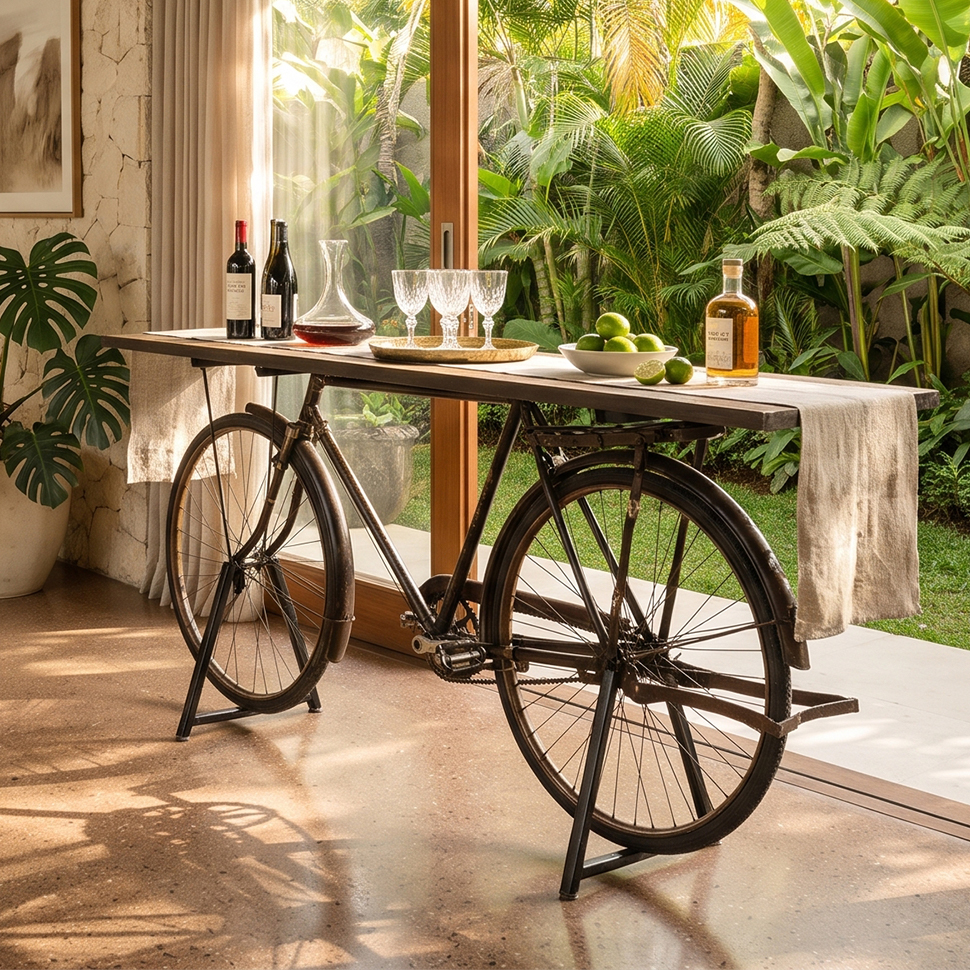
Some counters go further still, built from repurposed bicycles, scooters and other playful designs that belong in a games room, a man cave or a relaxed entertainment area. In a quieter lounge, a carved timber counter or a simple teak bar does the same job with more restraint.
The bar is the one place in the house where a little theatre is welcome.
Getting the height right.
Height is the detail that decides whether a bar is comfortable. Bar counters are taller than kitchen counters, and the stools need to match. As a general guide, there should be roughly 25 to 30 centimetres between the seat of the stool and the underside of the counter, so knees fit comfortably without anyone having to reach up to their glass.
It is worth checking the counter height first and choosing bar stools to suit, rather than the other way around. Allow enough width for each stool too, so guests are not sitting shoulder to shoulder.
A bar that is the wrong height is a bar nobody sits at.
Seating people will actually stay on.
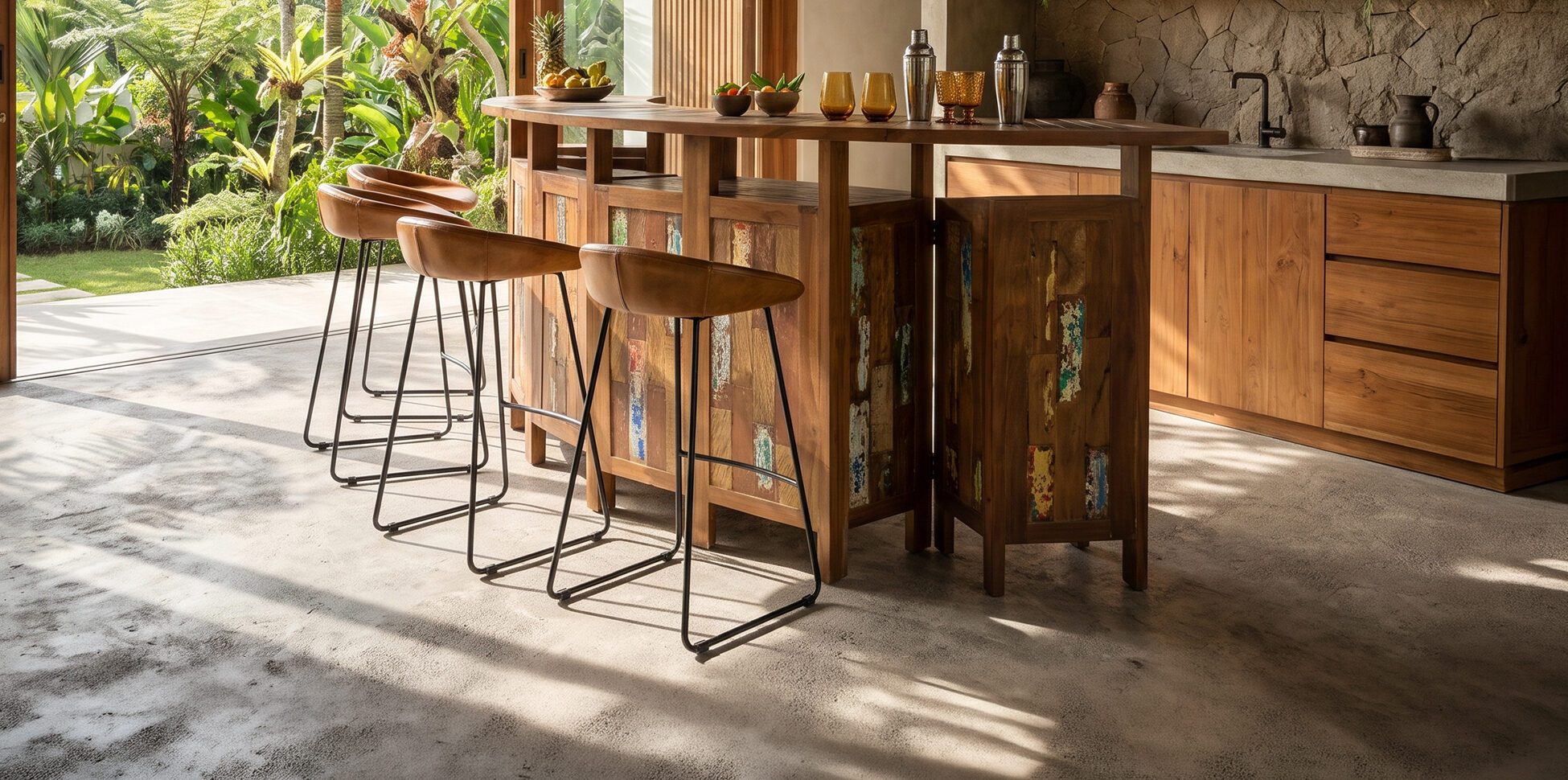
The difference between a bar people visit and a bar people stay at is the seating. Backless stools tuck neatly away and suit short visits. For longer evenings, bar chairs with backs and arms are far more comfortable, and a built-in footrest makes an enormous difference to how long anyone is happy to sit. Swivel seats make conversation easier along a long counter.
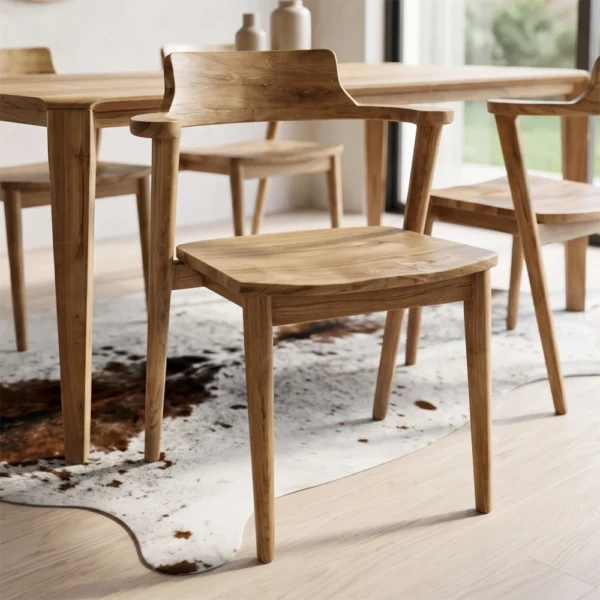
Material sets the mood. Saddle-shaped timber seats feel warm and relaxed, leather with a slim iron frame feels more polished, and woven seats bring a lighter, holiday feel.
Comfort keeps the conversation going long after the first round.
Inside, outside or in between.
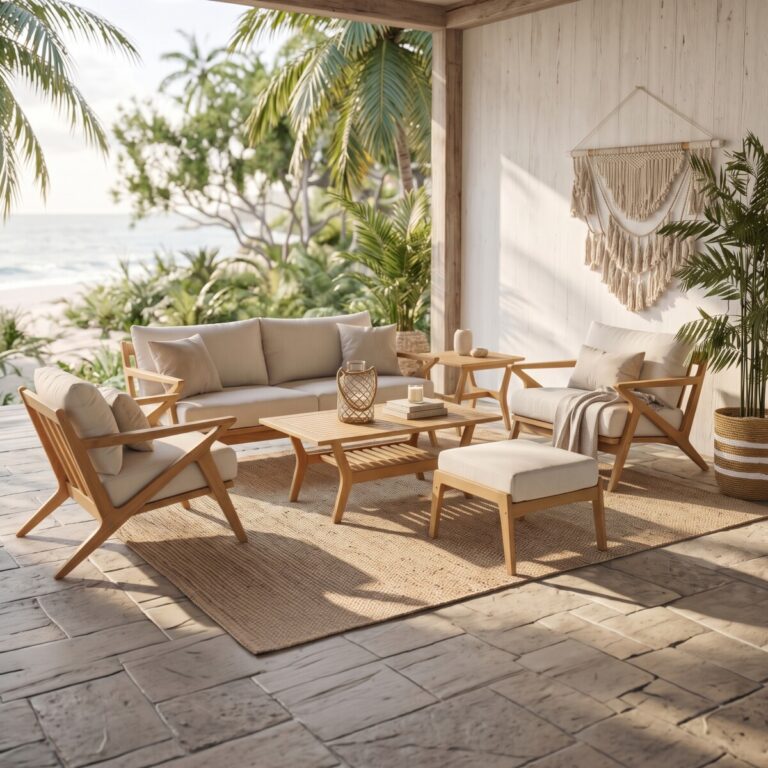
Many South African homes entertain as much outdoors as in, and a bar beside the braai or on a covered patio can be the heart of a summer evening. It is worth checking how each piece is made to be used, because most bar furniture is designed for indoors, and only some pieces are suited to a covered outdoor area. Fully exposed positions are hard on timber, upholstery and metal alike.
For a patio bar, solid timber stools and a counter under a roof give the best of both worlds, with easy access to the garden and protection from sun and rain.
Under a roof, the bar can move outside for the season.
Online or in-store.
Bar furniture is easiest to choose in person. Counter height, stool comfort and the character of a reclaimed or carved surface are all hard to judge from a photograph. The Sotran showrooms in Boksburg, Fourways and Somerset West make it easy to sit at a counter, try different stools and see how a bar might work in a real room.
The full range of bars and bar furniture can also be browsed online, with nationwide delivery across South Africa.
The home bar was never really about the bottles. It is about giving people a reason to stay a little longer, and that is a very good reason to have one.
A few quick questions.
Do I need a separate room for a home bar?
No. A wall-mounted drinks cabinet, a liquor cabinet or a folding bar fits into a lounge or dining room, while a freestanding bar counter suits larger entertainment spaces.
What height bar stool do I need?
Measure the counter first. As a general guide, leave roughly 25 to 30 centimetres between the seat and the underside of the counter so knees fit comfortably.
Are bar chairs more comfortable than bar stools?
For long evenings, yes. Bar chairs with backs, arms and a footrest are easier to sit on for hours, while backless stools tuck away neatly and suit shorter visits.
Can a bar counter go outside?
Only if it is suited to outdoor use. Most bar furniture is made for indoors, and some pieces suit a covered patio. Fully exposed positions are hard on timber and upholstery.
What is the difference between a bar counter and a liquor cabinet?
A bar counter is a serving surface at standing height, often with storage behind it. A liquor cabinet stores bottles and glassware behind doors and takes up less space.
Where can I buy bar counters in South Africa?
Sotran’s bar furniture is available online with nationwide delivery, and can be seen at the Boksburg, Fourways and Somerset West showrooms.
Browse Sotran bars and bar furniture online, or pull up a stool at a showroom in Boksburg, Fourways or Somerset West.