


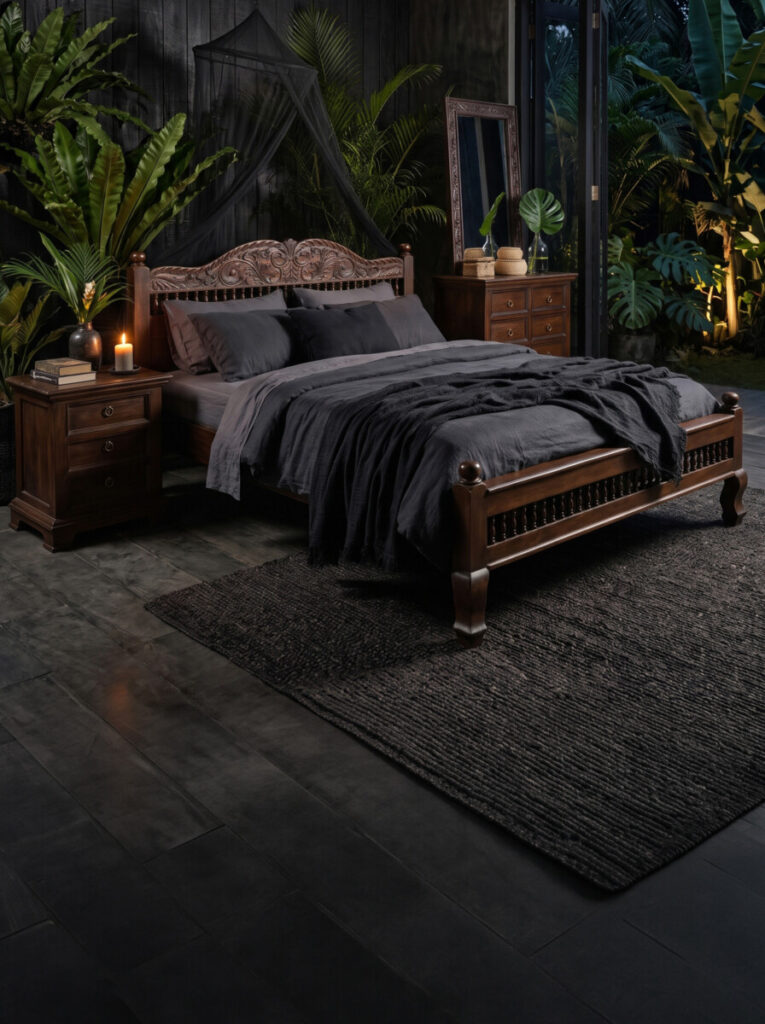

Why animal print rugs refuse to go out of style
Why animal print rugs refuse to go out of style. Zebra, leopard and cowhide have outlasted every trend for a reason. How animal print behaves like a neutral, real hide or printed, and where a single rug does the most for a room.
Few things in a home are as reliably out of fashion as last year’s trend. The animal print rug should have gone the same way decades ago. Instead it keeps returning, in safari lodges and city apartments, under leather sofas and at the foot of beds, looking as right now as it did when it first appeared.
There is a reason for that, and it has less to do with fashion than with how pattern works in a room. A zebra, leopard or cowhide rug behaves differently to almost any other floor covering, which is why designers keep reaching for one long after other prints have come and gone.
Understanding that difference is the key to using one well, and to choosing the right one for the room.
A pattern older than any trend.
Animal patterns are not a recent idea. Carpets sold as tiger skins were appearing in decorative interiors by the late eighteenth century, and spotted, striped and leopard designs followed. In the twentieth century the French decorator Madeleine Castaing laid leopard print carpet through her own Paris salon, a look still closely associated with her today.
Since then the print has been in and out of favour more than once, yet it has never truly disappeared. Each time it returns, it looks less like a revival and more like something that was simply waiting.
A trend arrives and leaves. Animal print just keeps coming back to the room.
Why animal print behaves like a neutral.
Most bold patterns compete with everything around them. Animal print rarely does, because its colours come from nature. Leopard sits in the same family as caramel leather, honey timber and sand-coloured linen. Zebra is simply black and cream, which works with almost any palette. Natural cowhide carries the browns, creams and greys of the materials already in most South African homes.
The pattern is also organic rather than geometric. There are no hard lines to clash with a striped cushion or the grain of a timber floor, so the eye reads it as texture first and pattern second.
The secret of animal print is that it is bold without being loud.
Three prints, three moods.
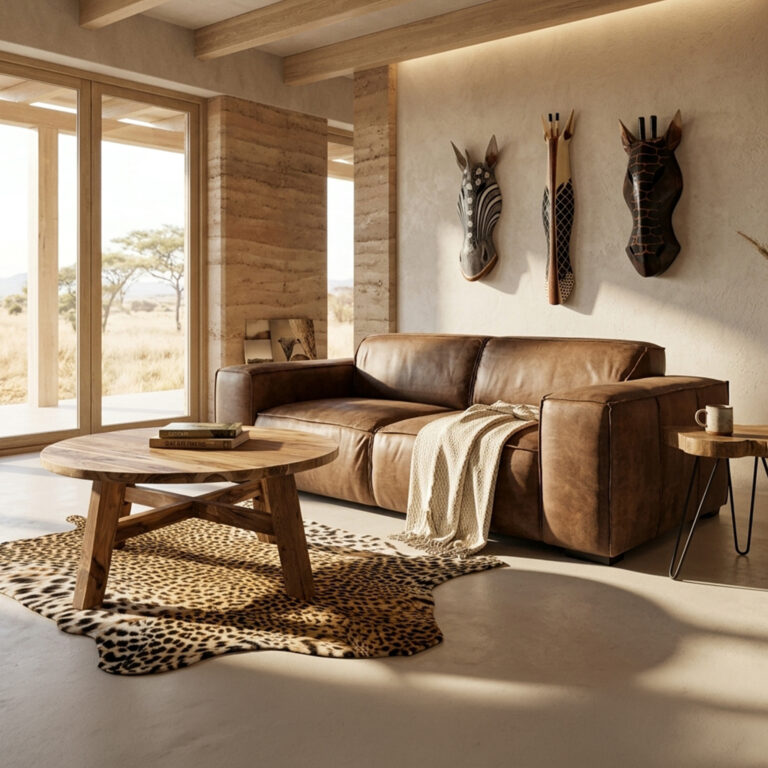
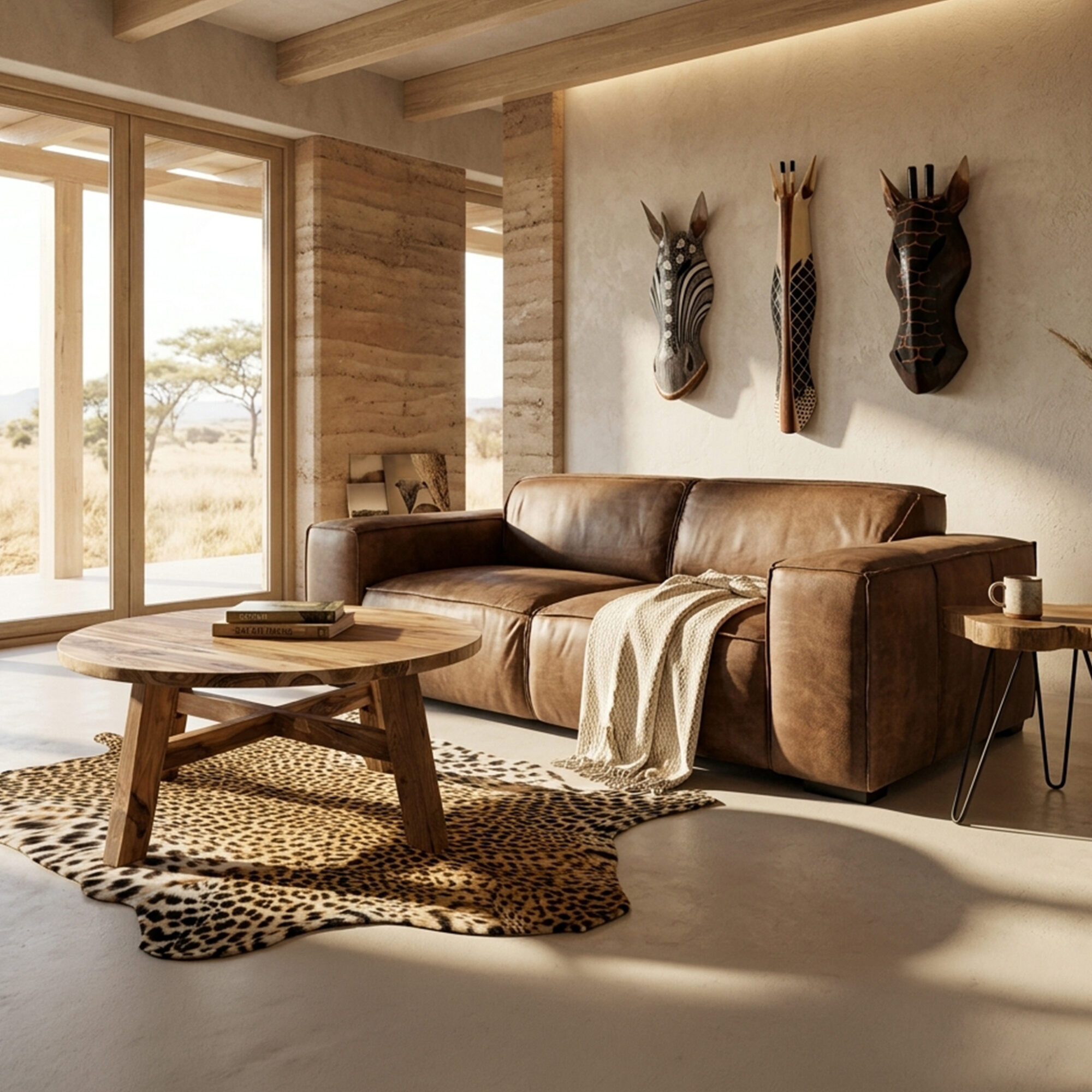
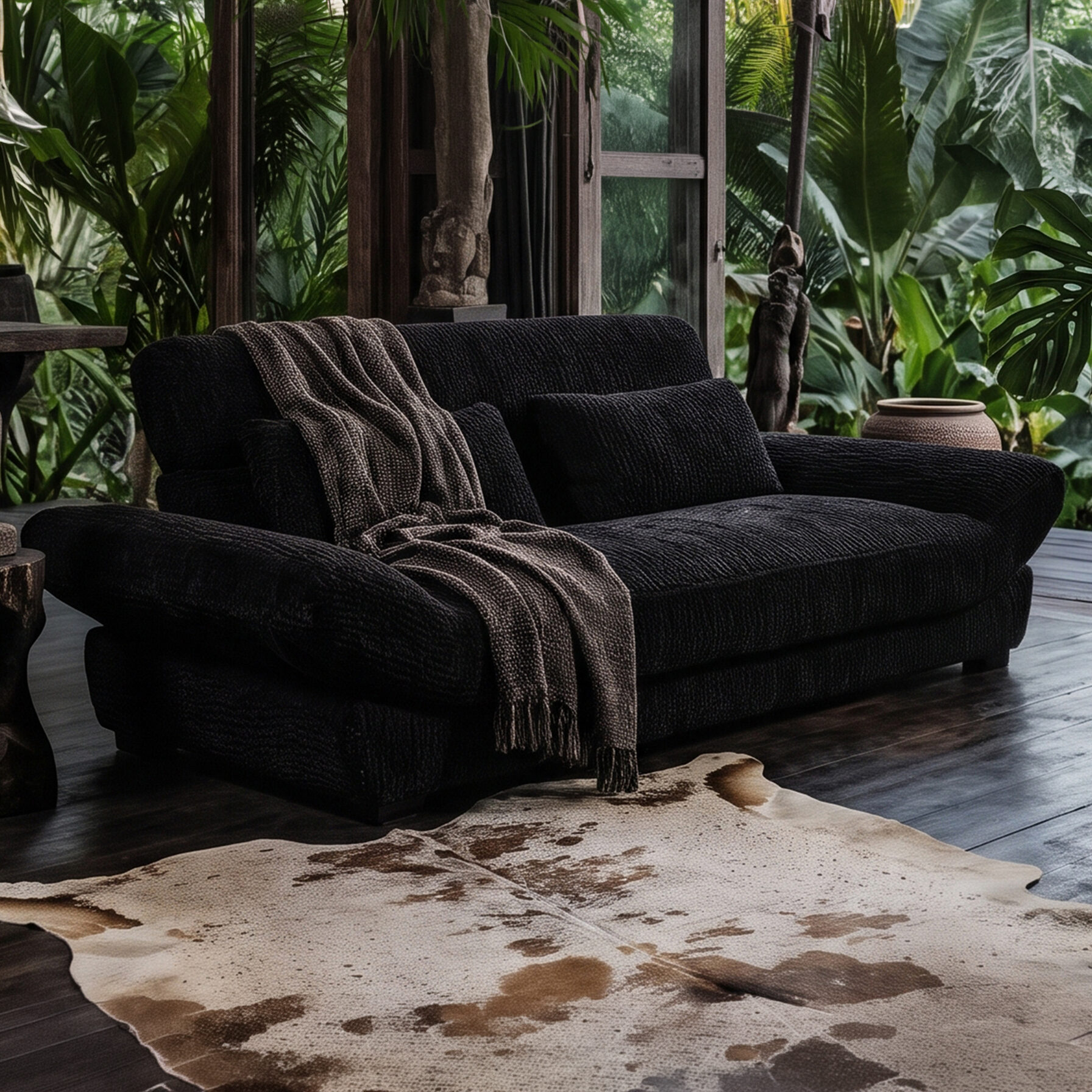
Each animal print brings a different character to a room. Zebra is the most graphic, with crisp black and cream stripes that sharpen a calm bedroom or a pale stone floor. Leopard and cheetah prints are warmer and softer, at their best beside leather, timber and earthy colour. Cowhide is the most relaxed of the three, with irregular markings in brown, cream or speckled salt and pepper that feel at home almost anywhere.
Some cowhide rugs take the idea further, with metallic flecks or patches of colour across the natural hide, which turns a familiar shape into something closer to a piece of art.
Choose the print for the mood of the room, not the animal.
Real hide or printed.
Animal rugs come in two quite different forms. Genuine cowhide is a natural material, so every hide has its own shape and markings and no two are the same. It has a soft, slightly irregular edge and a depth that only a natural hide carries.
Printed faux hide rugs carry the pattern printed onto polyester. They are animal-friendly, consistent in shape and colour, and often the more practical choice for anyone who prefers not to have a natural hide in the home. Neither option is better in every case. The choice comes down to personal preference, the look of the room and how the rug will be used.
A natural hide is one of a kind. A printed one is consistent and easy to live with.
Where an animal print rug works best.
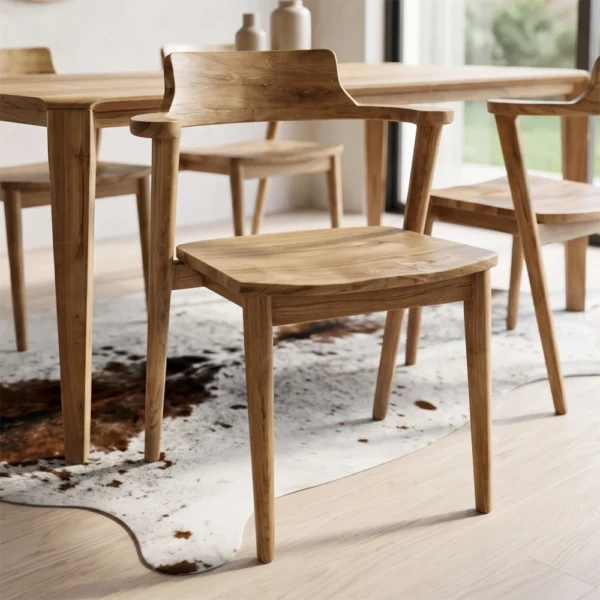
Animal print rugs are at their best as a layer rather than as wall-to-wall coverage. At the foot of a bed, angled across a stone or timber floor, under a coffee table, in front of a fireplace or beneath a desk chair, they give a space a focal point without taking it over. Their irregular shape is part of the appeal, softening the straight lines of furniture and architecture.
They suit a safari lodge interior naturally, but they work just as well in a modern tropical lounge, a minimal city apartment or a classic bedroom, where a single print adds life to an otherwise quiet scheme.
One well-placed animal print can do the work of a whole room’s worth of accessories.
Keeping it from looking like a costume.
The difference between animal print that looks considered and animal print that looks like fancy dress is restraint. One print per room is usually enough. Repeating it on cushions, throws and upholstery quickly tips the room into theme territory.
The materials around the rug matter as much as the rug itself. Leather, solid timber, linen, stone and woven textures all support the print, while carved wooden animal masks on the wall can echo the idea without repeating the pattern. The quieter the surroundings, the more confident the rug looks.
Animal print looks most expensive when it is the only one in the room.
Online or in-store.
Animal print rugs are one of the categories where seeing the real thing helps. The texture of a natural hide, the exact tone of a leopard print and the true size of a rug on the floor are all easier to judge in person. The Sotran showrooms in Boksburg, Fourways and Somerset West make it easy to see how a print sits with leather, timber and the rest of a room.
The full range of hides and rugs can also be browsed online, with nationwide delivery across South Africa.
Trends will keep arriving and leaving. The animal print rug will most likely still be on the floor when they have gone.
A few quick questions.
Are animal print rugs still in style?
Yes. Animal print has appeared in interiors for centuries and keeps returning because its natural colours and organic pattern work with most styles, from safari lodge to minimal and modern.
What goes well with a zebra print rug?
Calm, natural materials such as timber, linen, leather and stone. Keep other patterns to a minimum so the black and cream stripes can stand out.
Is a leopard print rug a neutral?
In practice, often yes. Its caramel, cream and brown tones sit comfortably beside leather, timber and warm colour, so it works more like a texture than a bold pattern.
What is the difference between a cowhide rug and a faux hide rug?
A cowhide rug is a natural hide, so each one has its own shape and markings. A faux hide rug is printed with the pattern, which makes it animal-friendly and consistent in look.
How do I clean an animal print rug?
Vacuum it regularly, keep it off wet floors and spot clean spills quickly by blotting. Follow the specific care guidance for natural hides and printed rugs, as they differ.
Browse Sotran hides and rugs online, or see them in person at a showroom in Boksburg, Fourways or Somerset West.