Product on sale

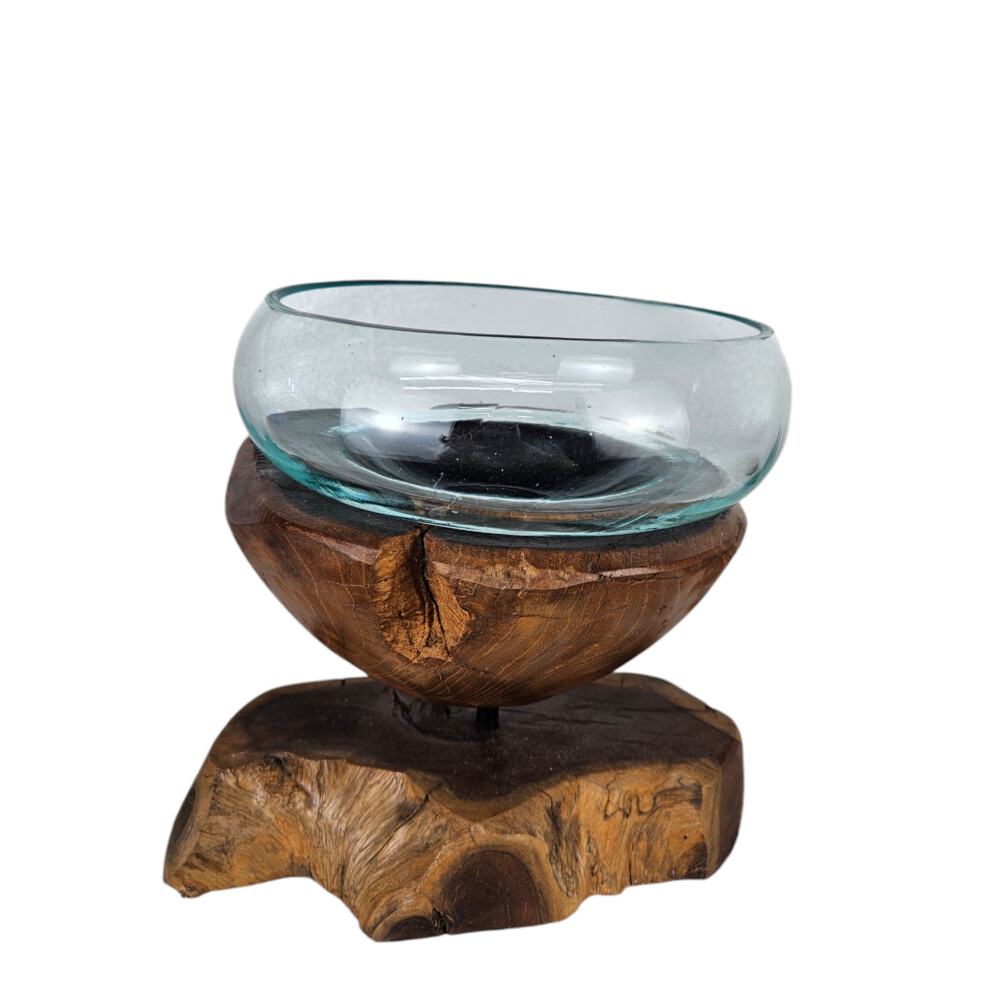
Abstract Glass Fruit Bowl On Wood Stand

Original price was: R895.Current price is: R716.

A hand-blown glass bowl moulded to follow the natural contours of a reclaimed teak root base — the glass takes the shape of the wood rather than sitting awkwardly on top of it. A genuinely unique piece every time, since no two natural roots are identical. Removable glass bowl for easy filling, cleaning and styling flexibility.

– Dimensions: 25 × 25 × 22 cm
– Hand-blown glass bowl on reclaimed teak root base
– Glass moulded to the shape of the natural wood beneath
– Removable glass for easy filling and cleaning
– Each piece is one-of-a-kind — natural variation in root shape
– Suited to fruit display, terrarium use, water bowls, dried botanical arrangements
– A considered gift for design-led recipients and natural-material lovers

2 in stock
  • Check Mark Estimated Delivery : 4 to 10 business days
  • Visa Card
  • MasterCard
  • American Express
Guaranteed Safe And Secure Checkout

A hand-blown glass bowl moulded to a reclaimed teak root base

Most decor bowls follow a simple production logic: a glass or ceramic vessel is made first, then a separate base or stand is matched to it. The two parts are designed independently and brought together at the end. The Abstract Glass Fruit Bowl On Wood Stand inverts this entirely. The teak root base is harvested first — a naturally-formed piece of reclaimed Indonesian root wood with its own irregular contours, knots, and organic shape. The glass bowl is then hand-blown directly to follow those contours, taking the shape of the specific root beneath it rather than asking the wood to conform to a pre-made vessel. The result is a piece where the two materials are genuinely integrated rather than merely paired — and a piece that cannot be exactly replicated, because no two natural roots share the same shape.

The piece measures 25 × 25 × 22 cm — properly tabletop scale, substantial enough to read as a deliberate decorative object rather than as a token accessory. The teak root base provides organic sculptural weight at the bottom, with its natural grain, occasional knots and irregular character all visible as part of the design. The hand-blown glass bowl above it follows the curves of the root precisely, creating a continuous flow from organic wood up into transparent glass. The glass is removable from the root base — meaning the bowl can be filled, emptied, washed and refilled easily without needing to handle the wood every time. Like all genuinely natural-material pieces, each one carries its own specific character: the precise root shape, the knots and grain pattern, the way the glass settles into the wood are all unique to your piece.

The Glass on Wood craft tradition

The Glass on Wood production technique has its roots in Indonesian craft workshops where natural teak roots — typically the by-products of timber harvesting that would otherwise be discarded — are reclaimed and matched with hand-blown glass to create unique decor pieces. Three things about the tradition are worth understanding for buyers considering a Glass on Wood piece.

The root sourcing is genuinely sustainable. The teak roots used as bases are reclaimed from existing timber operations rather than newly harvested. The roots are typically the parts of the tree that aren’t useful for furniture-grade timber and would otherwise be discarded as scrap. Repurposing them as decor bases gives the wood a complete second life as a finished object.

The glass-blowing technique is genuinely difficult. Hand-blowing glass to follow the irregular contours of a specific root requires real craft — the glass-blower has to work to the shape of the wood beneath rather than to a uniform mould. This is significantly more skilled than blowing glass into a standard rounded vessel, and the production tradition reflects decades of refinement in Indonesian glass-and-wood workshops.

Each piece is genuinely irreplaceable. Because no two roots are identical, no two finished pieces can be identical either. Where most decor is produced in series with each unit nominally identical to the next, a Glass on Wood piece is a genuine one-of-one. Buyers receive the same general character as the photographed example, but the specific root shape, the precise glass form, the exact knots and grain pattern are unique to their piece.

Where this bowl works best

The compact tabletop scale and dual material character suit a few specific use contexts.

On a dining table as a styled fruit bowl. The most natural placement, and the use the piece is named for. Position centrally on the dining table, filled with seasonal fruit (citrus, apples, pears, grapes — the colour pops against the transparent glass and natural wood beautifully). Unlike opaque ceramic fruit bowls, the glass shows the fruit through any angle, making the contents part of the visual styling.

As a tabletop terrarium. The glass bowl makes the piece particularly suited to terrarium use — fill with a layer of small pebbles, then soil, then small succulents or air plants for a self-contained mini-garden. The transparency lets the layers be visible from any side, turning the planting itself into the decorative element. Particularly effective on dining tables, kitchen islands or sun-lit windowsills.

As a water bowl with floating decor. Fill with clean water and float decorative items — flowers, candles, glass beads, seasonal botanicals. Floating-candle styling is particularly effective for evening entertaining and seasonal decoration. The glass makes the water level and floating contents visible from all sides.

As a dried botanical display vessel. Fill with dried botanicals — pampas, eucalyptus, dried flowers, decorative branches — for a permanent styled arrangement that doesn’t need maintenance. Particularly effective in homes that prefer the no-watering-required approach to plant-themed decor.

On a coffee table as a styled centrepiece. Position on a substantial coffee table as the visual anchor of the surrounding decor. The combination of natural wood base and transparent glass bowl reads as a deliberate design choice rather than as utility hardware. Particularly effective on weathered timber coffee tables where the root base ties to the surrounding wood vocabulary.

On a console or sideboard as a styling vessel. Position on an entryway console, dining sideboard or hallway table. The piece can hold keys, post and small entryway items in functional use, or shift to decorative use when the household isn’t using it for storage.

As a considered gift. The genuinely unique nature of each piece — and the practical multi-use functionality — makes it work particularly well as a thoughtful housewarming, host gift or “thinking of you” present. Particularly suited to design-led recipients, plant lovers (terrarium use), entertainers (water-bowl styling) or anyone with an appreciation for natural-material craft.

Caring for hand-blown glass on a teak root base

The removable glass design makes the piece genuinely easy to keep looking its best. Lift the glass bowl out for cleaning — hand-wash with warm soapy water, dry with a soft cloth before replacing on the wood base. Avoid the dishwasher: hand-blown glass is more delicate than machine-made glass and dishwasher cycles can affect both the clarity and the surface over time.

The teak root base needs only a periodic dust with a soft, dry cloth. The natural finish is forgiving — small marks of being lived with become part of the character of the piece. Keep the wood base out of consistent direct moisture exposure (water spills from the glass above are fine if wiped promptly, but prolonged saturation should be avoided). With this minimal care, a hand-blown Glass on Wood piece becomes one of those genuine multi-decade decor pieces that quietly accumulates more character with every passing year.

Dimensions 25 × 25 × 22 cm