Product on sale

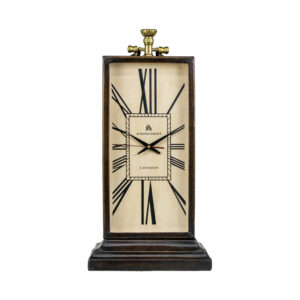
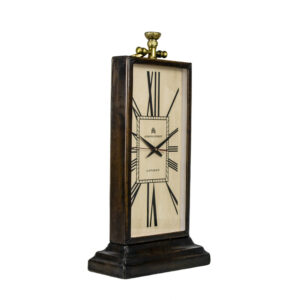
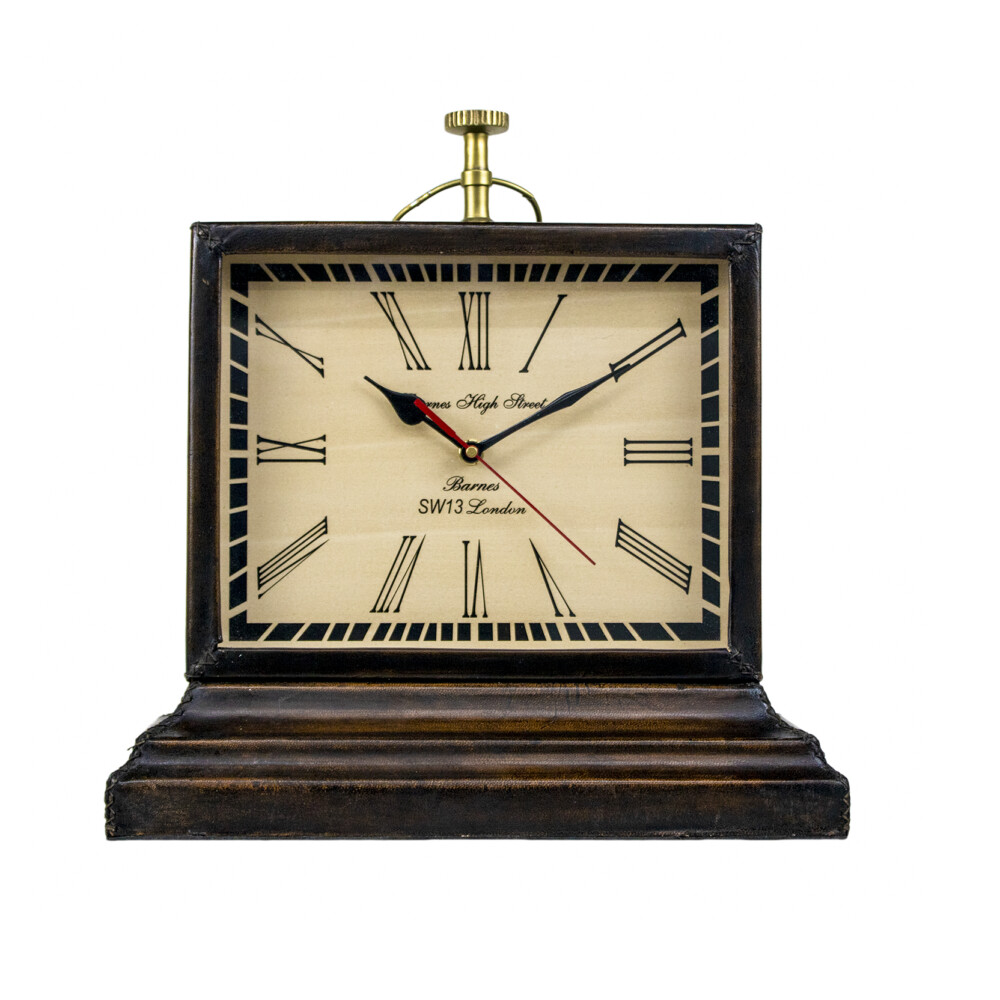
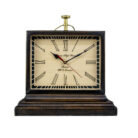
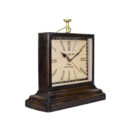
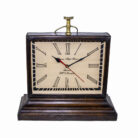
Barnes Table Clock

Original price was: R2695.Current price is: R2156.

A substantial 33cm leather-clad table clock built around the classic vintage gentleman’s-study aesthetic — genuine leather exterior, considered proportions, and the kind of decorative object that justifies its own presence on a desk or sideboard in an age when everyone already knows the time from their phone.

– Dimensions: 32 × 13 × 33 cm
– Genuine leather exterior over sturdy frame
– Classic vintage table-clock silhouette
– Substantial scale — proper feature piece, not a small functional clock
– Suited to studies, libraries, home offices, and considered traditional interiors
– A meaningful gift for anyone valuing the physical presence of time

Hurry up ! Sale end in:
00 DAYS
00 HRS
00 MIN
00 SEC
4 in stock
  • Check Mark Estimated Delivery : 4 to 10 business days
  • Visa Card
  • MasterCard
  • American Express
Guaranteed Safe And Secure Checkout

A substantial leather-clad vintage table clock

The decorative table clock occupies a particular place in contemporary decor that’s worth thinking about carefully. The functional argument for owning a clock has genuinely weakened over the past two decades — everyone has a phone in their pocket, every room with a screen displays the time, every car dashboard tells you what hour it is. The clock as pure utility has been largely replaced. What remains is the clock as a decorative object — a piece chosen for what it signals about a home rather than for what it tells about the time. And in that decorative role, a substantial well-made clock does specific work that virtually no other decor object can replicate.

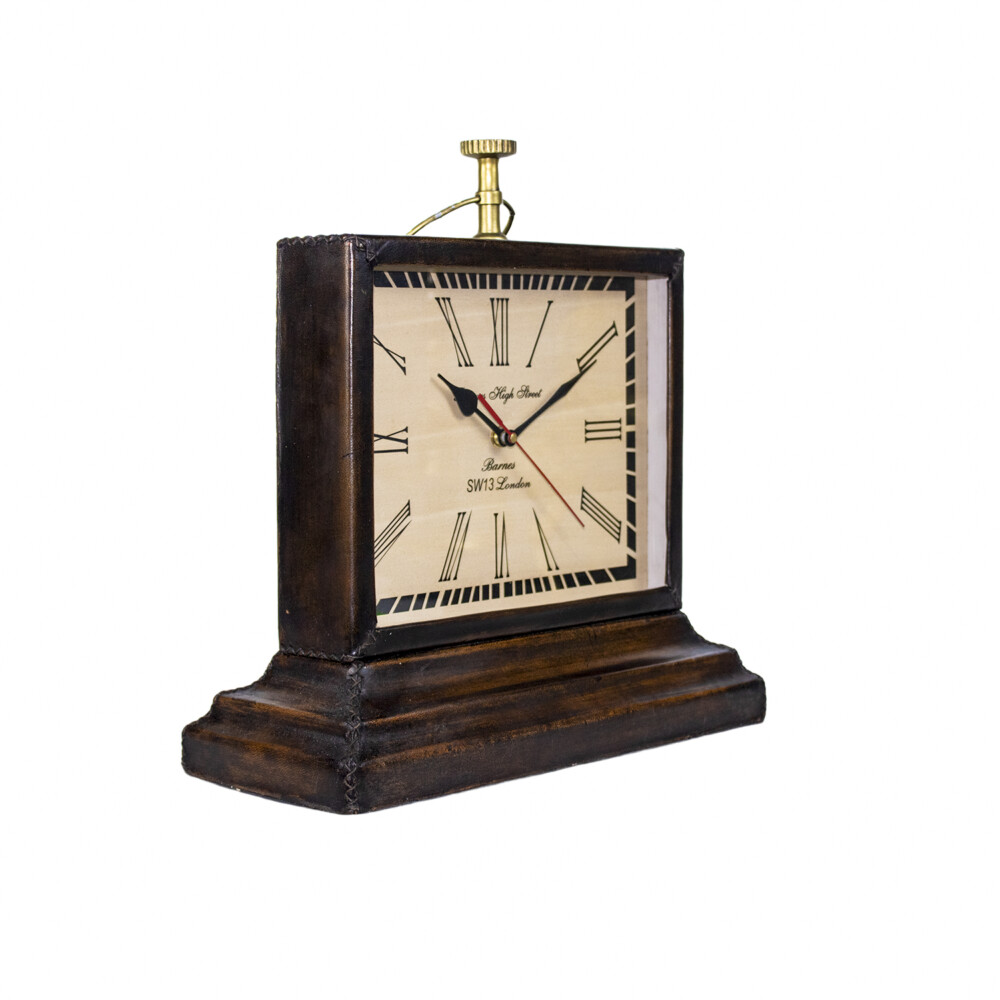
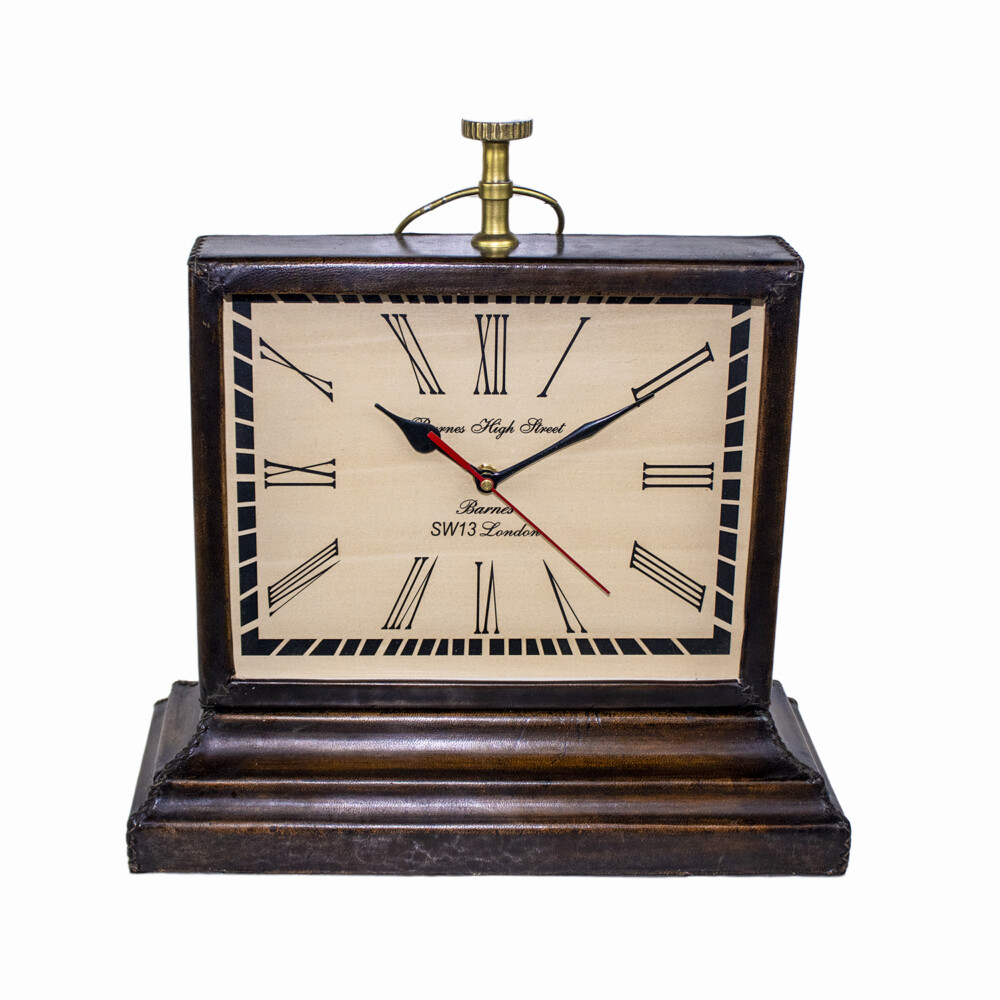
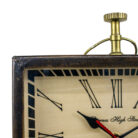
The Barnes Table Clock is exactly that kind of considered piece. Measuring 32 × 13 × 33 cm, the clock is properly substantial — sized as a deliberate feature piece for a desk, sideboard or shelf rather than as a small functional alarm clock. The construction is a sturdy frame clad in genuine leather, with the rich warm character that real leather brings to traditional decor. The form references the classic vintage gentleman’s-study aesthetic: the kind of leather-bound table clock you might find in a Victorian library, a 1920s law office, or a country-house drawing room. The piece reads as heritage-considered rather than as commercial decor, with the kind of presence that makes the surface it sits on feel more curated than the surrounding interior would otherwise suggest.

Why a decor clock still matters in a phone era

The decision to own a substantial decorative clock today is more meaningful than it was when clocks were primarily functional. A few things about why a proper clock still earns its place are worth understanding.

It signals a relationship to time that screens don’t. Glancing at a phone for the time is reactive — you check, you process, you put the phone down. A clock on a desk or wall is permanent — present in your peripheral vision, marking the hours regardless of whether you actively look at it. For buyers who want their environment to reflect a more considered relationship to time (rather than the constant time-on-demand of digital devices), a substantial clock is a quiet daily reminder of pace and ritual.

It anchors a workspace or study with traditional gravitas. Studies, home offices, libraries and reading rooms benefit from anchoring decor that signals seriousness of purpose. A leather-clad vintage clock does this work better than almost any other single object — instantly suggesting Victorian library, classical study, considered intellectual environment. The piece dignifies the surrounding work rather than just decorating around it.

It works as a focal point regardless of whether anyone reads the time from it. The clock face itself is a visual anchor — circular, structured, full of subtle proportional details that catch the eye. Whether or not the household actually uses the clock for time-telling, it functions as a small piece of architectural decor that holds attention in the way few other small objects can.

Why genuine leather works for a decor clock

The material choice on a substantial clock matters as much as the form. A few things about the leather cladding are worth understanding.

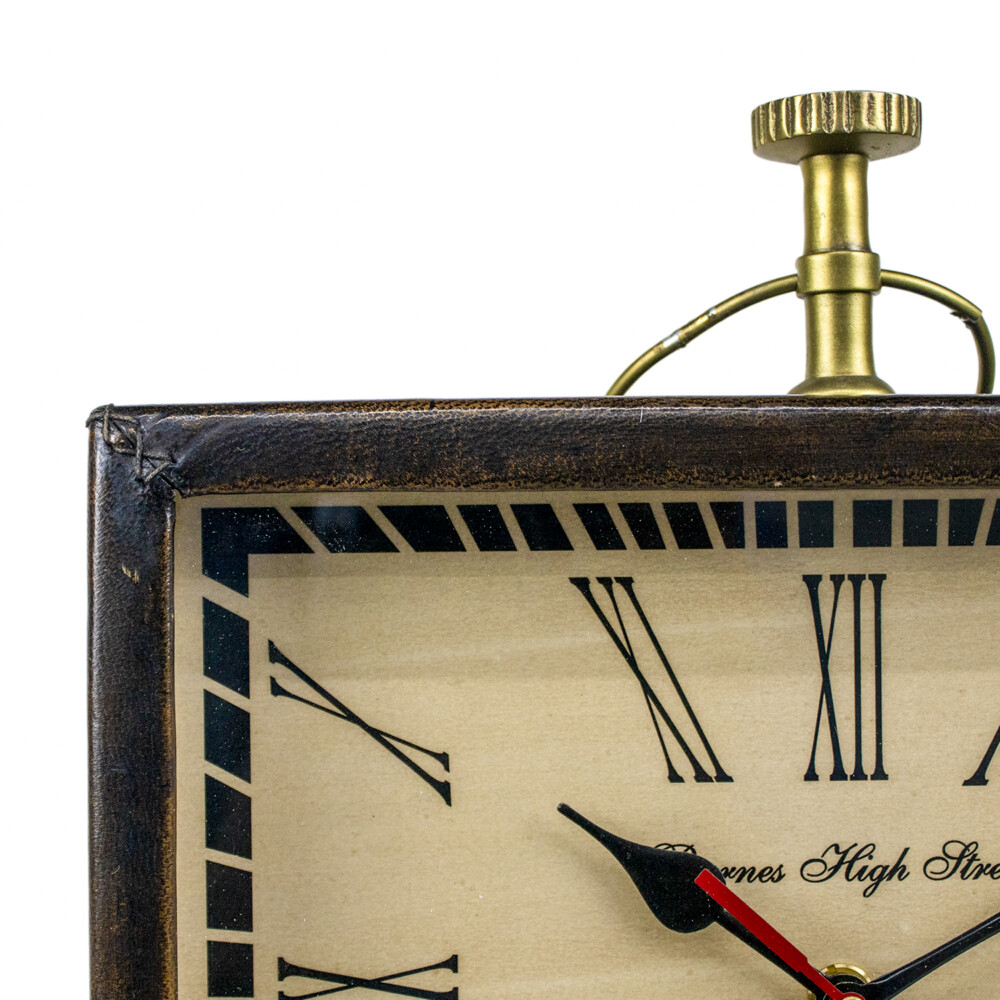
Leather develops character with time, not damage. Where most decor materials show wear as degradation (paint chips, varnish dulls, wood scratches visibly), leather develops patina — a softening of the surface, a deepening of colour, small marks that add character rather than detracting from it. A leather clock at twenty years old looks better than the same clock new, with the lived-with surface that signals genuine heritage rather than artificial vintage styling.

It carries warm gravitas without being heavy. Wood, brass and stone clocks all carry weight in different ways — formal, industrial, heavy. Leather brings warmth and tactile softness while still reading as substantial and serious. The combination of warm leather over sturdy structure gives the piece presence without coldness — exactly the right register for studies, libraries and rooms where the buyer wants traditional character without formality.

The material ties to other vintage and classical decor effortlessly. Leather as a decorative material is foundational across multiple traditional decor vocabularies: Chesterfield seating, leather-bound books, leather desk accessories, leather travel trunks, leather-strapped luggage. A leather clock fits into any of these broader vocabularies as a coherent material element rather than as a separate aesthetic choice.

Where this clock sits best

The substantial scale and traditional character suit specific placements within a styled home.

On a study or home office desk as the primary character piece. The most natural placement. Position centrally on a substantial wooden desk where the clock face is visible from the working position. The piece anchors the desk styling, signals seriousness of purpose, and brings the gentleman’s-study aesthetic to working environments that often default to functional minimalism.

On a library or reading-room sideboard. Position on a substantial sideboard or console in a library, reading room or study — particularly alongside leather-bound books, brass desk accessories, or other traditional decor pieces. The clock becomes part of the layered classical vocabulary of the room rather than reading as an isolated object.

On a mantelpiece in a traditional or classical-inspired lounge. The clock works particularly well as a mantel centrepiece in lounges leaning toward traditional, English country, or classical interiors. Position centrally on the mantel, with smaller framed photographs or candle holders flanking on either side for a complete classical mantel arrangement.

On an entryway console as a substantial welcome piece. Position on an entrance console table where the clock greets arriving visitors. The traditional character signals a considered home immediately on arrival, before visitors have even entered the main living spaces.

On a bedroom dresser or chest as bedroom-quiet decor. The leather and traditional form work in bedrooms with classical or traditional styling. Position on a substantial dresser or chest of drawers as a quiet decorative anchor — particularly effective in master bedrooms with leather-headboard or traditional bed frames.

In a hospitality space — boutique hotel reception, restaurant entrance, members’ club. The clock’s heritage gravitas works particularly well in hospitality contexts where the brand is signalling traditional considered service. Position on a reception desk, in a guest lounge, or beside a fireplace.

As a meaningful gift for milestone occasions. At over R2,000, the piece works as a substantial gift for genuine milestone occasions — retirement, significant birthdays, professional anniversaries, graduation from law or medical school. The traditional character makes it particularly suited to recipients who would appreciate a piece with heritage gravitas rather than contemporary decoration.

Caring for a leather-clad clock

Dust the leather periodically with a soft, dry cloth. Apply a small amount of quality leather conditioner once or twice a year to keep the leather supple and to deepen the natural patina over time. Position the clock out of consistent direct sunlight, which would prematurely age the leather colour beyond the gentle natural patina that’s part of the appeal. Standard clock-mechanism care applies for the movement: protect from moisture, avoid impacts, and replace the battery promptly when the clock starts losing time.

Dimensions 32 × 13 × 33 cm