Product on sale

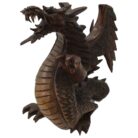
Carved Dragon Typhon

Original price was: R825.Current price is: R701,25.

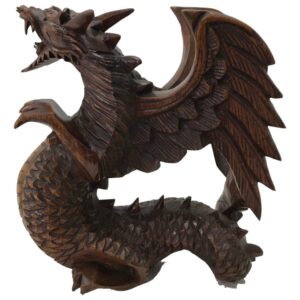
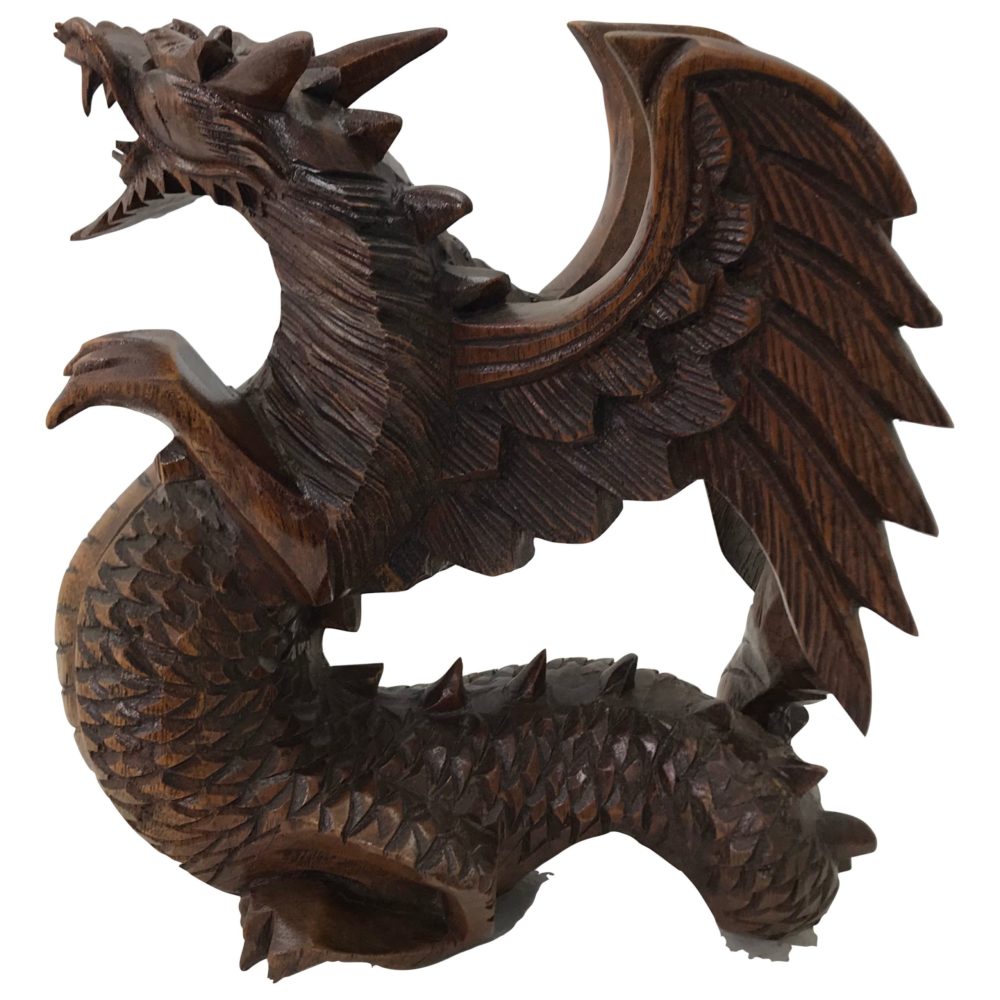
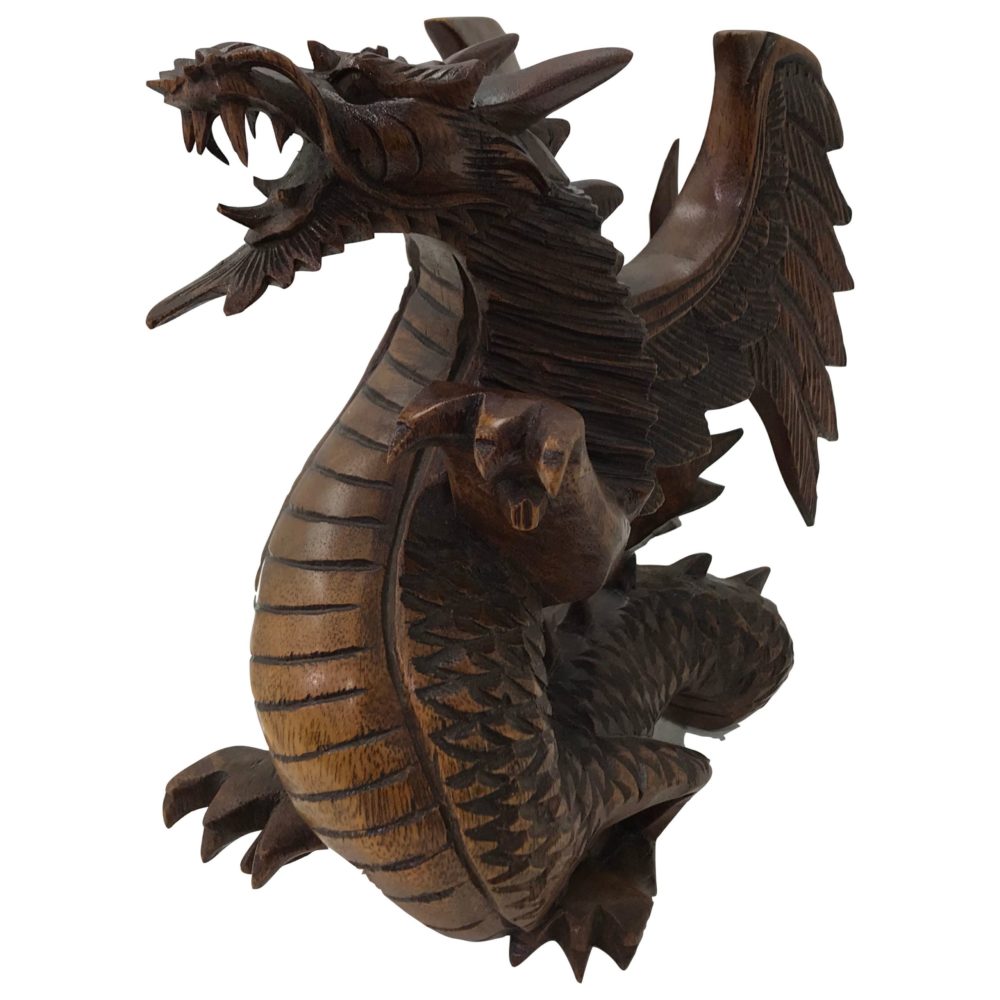
A 20cm hand-carved solid wood dragon sculpture in the serpentine Eastern tradition — individual scales, flowing whiskers, dynamic posture, and the natural brown patina that celebrates the underlying timber grain. A symbolic decor piece carrying the layered cross-cultural meanings of dragon iconography across Chinese, Greek and Oriental traditions.

– Dimensions: 12 × 20 × 20 cm
– Hand-carved from solid wood with intricate scale and whisker detailing
– Dynamic serpentine posture in the Eastern dragon tradition
– Natural brown patina celebrating the underlying timber grain
– Suited to studies, libraries, offices, masculine spaces and Asian-influenced interiors
– A meaningful gift for the symbolic associations of strength, wisdom and protection

11 in stock
  • Check Mark Estimated Delivery : 4 to 10 business days
  • Visa Card
  • MasterCard
  • American Express
Guaranteed Safe And Secure Checkout
SKU: WYS6000 Categories: , Tags: ,

A hand-carved Eastern serpentine dragon sculpture

The dragon is one of the most consistently meaningful symbolic creatures across global cultural traditions, but the meaning shifts dramatically depending on which tradition is being referenced. In Chinese culture, the dragon is the most revered of the four celestial creatures — associated with imperial power, wisdom, control over water and weather, and good fortune. Chinese dragons are serpentine rather than winged, benevolent rather than monstrous, guardians and bringers of prosperity rather than threats to be defeated. In Western European traditions, the dragon developed in the opposite direction — winged, fire-breathing, hoarding gold, the antagonist defeated by saintly heroes from St George onward. The same word in different cultural traditions points to genuinely different creatures with opposite symbolic associations. The “Typhon” name on this piece is itself an interesting hybrid — Typhon in Greek mythology was a primordial serpentine giant, the father of monsters, eventually defeated by Zeus. The combination of Greek naming with Oriental serpentine styling produces a piece that draws on multiple cultural traditions simultaneously rather than committing to any single one.

The Carved Dragon Typhon is a 12 × 20 × 20 cm hand-carved sculpture in the Eastern serpentine tradition — substantial tabletop scale executed with the kind of detail that warrants extended viewing. The construction is solid wood, hand-finished with a natural brown patina that celebrates the underlying timber grain rather than masking it under heavy paint. The carving itself is genuinely intricate: individual scales rendered across the body, the flowing whiskers that mark Eastern dragons specifically, the dynamic serpentine posture that captures motion rather than static rest. As with all hand-carved decor, small variations in the finish are inherent to genuine craft work — meaning each piece carries minor specific differences while sharing the same overall form.

Why dragon decor sits differently from other symbolic animal pieces

Like other animal forms in the broader decor range — the symbolic frog, the substantial bulldog, the classical whippet, the swimming turtle, the cream fish — the dragon does specific work that other symbolic creatures cannot replicate.

It carries the heaviest symbolic weight of any common decor animal. Where a frog signals luck and welcome, a tortoise wisdom and longevity, a fish abundance — pleasant but relatively soft associations — the dragon signals imperial power, strength, ambition, mastery, protection. The symbolic register is more substantial, more serious, more demanding. Dragon decor commits the room to a register of seriousness that lighter symbolic pieces don’t require.

The Eastern serpentine form is genuinely distinct from Western dragon imagery. Most casual buyers don’t distinguish between Eastern and Western dragons, but the visual difference is significant. Eastern dragons are long, snake-like, four-legged, often beardless or with flowing whiskers, carved in dynamic flowing postures. Western dragons are stout, winged, gargoyle-like, frequently rendered in heraldic static poses. This Typhon dragon is unambiguously Eastern in its serpentine treatment — meaning the piece signals Asian-influenced interior commitment rather than European fantasy aesthetic.

It works as a deliberately gendered statement piece. Most symbolic animal decor reads as broadly cross-gender (frogs, tortoises, fish all work in any household). Dragon decor — particularly the substantial serpentine Eastern form — reads more strongly as masculine-coded, signalling warrior philosophy, strength, ambition. For studies, home offices, libraries and gentleman’s spaces specifically, dragon decor does work that gentler symbolic pieces cannot.

What this dragon pairs with

The Eastern serpentine character and substantial brown wood finish set up specific pairings across the Sotran range. The piece sits naturally within the broader Decorative collection, particularly alongside other symbolic carved animal pieces — the frog, tortoise, whippet, bulldog, sea turtle and fish each carry their own symbolic vocabulary, and grouped collections of symbolic decor read as deliberate curation rather than scattered objects. The natural brown wood ties to other items in the broader Brown Furniture and Decor range. As part of an Asian-influenced or Modern Tropical interior, browse the broader range for furniture and decor that share the natural-wood, organic-form sensibility.

For gentleman’s-study or masculine-decor placement, the dragon pairs naturally with other pieces in that vocabulary — the Spartan Warrior Office Lamp, the Plain Buffalo Skull Wall Hanging, the Barnes Leather Table Clock, the various Iron and brass pieces — all sharing the same warrior/heritage/strength register. For office or study placement, position alongside pieces from the broader Office Furniture range — particularly substantial wooden desks where the dragon anchors the surface with proper sculptural presence.

As a meaningful gift, browse the broader Home Decor range for complementary pieces — the dragon makes particular sense as a gift for ambitious professionals, business owners, anyone connected to Asian cultural heritage, or recipients drawn to symbolic decor with genuine cultural weight.

Caring for hand-carved wooden decor

Dust the dragon periodically with a soft, dry cloth — a soft brush works particularly well for the carved scale detailing and the flowing whiskers where dust tends to settle. Position the piece out of consistent direct sunlight to preserve the depth of the natural brown patina over the years. The Magico Furniture Polish from the broader Furniture Care range applies a light protective layer that maintains the timber’s character over time — a quick treatment once or twice yearly keeps the carving looking its best for decades.

Dimensions 12 × 20 × 20 cm