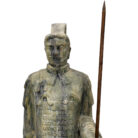
GRC Chinese Soldier Statue
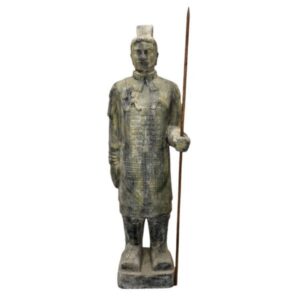
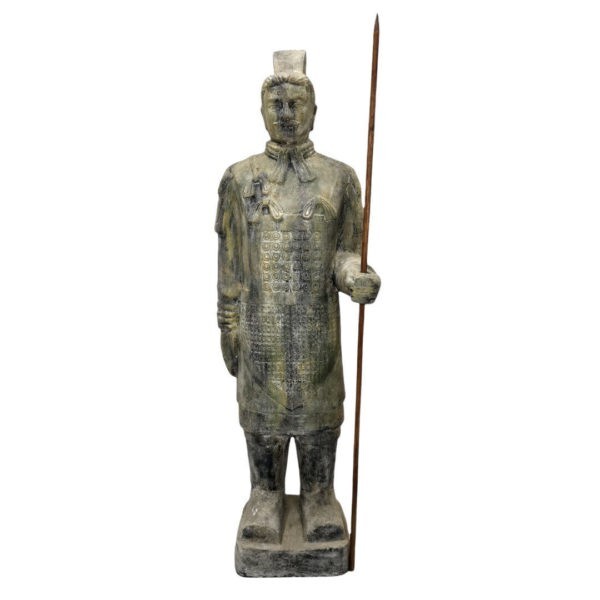
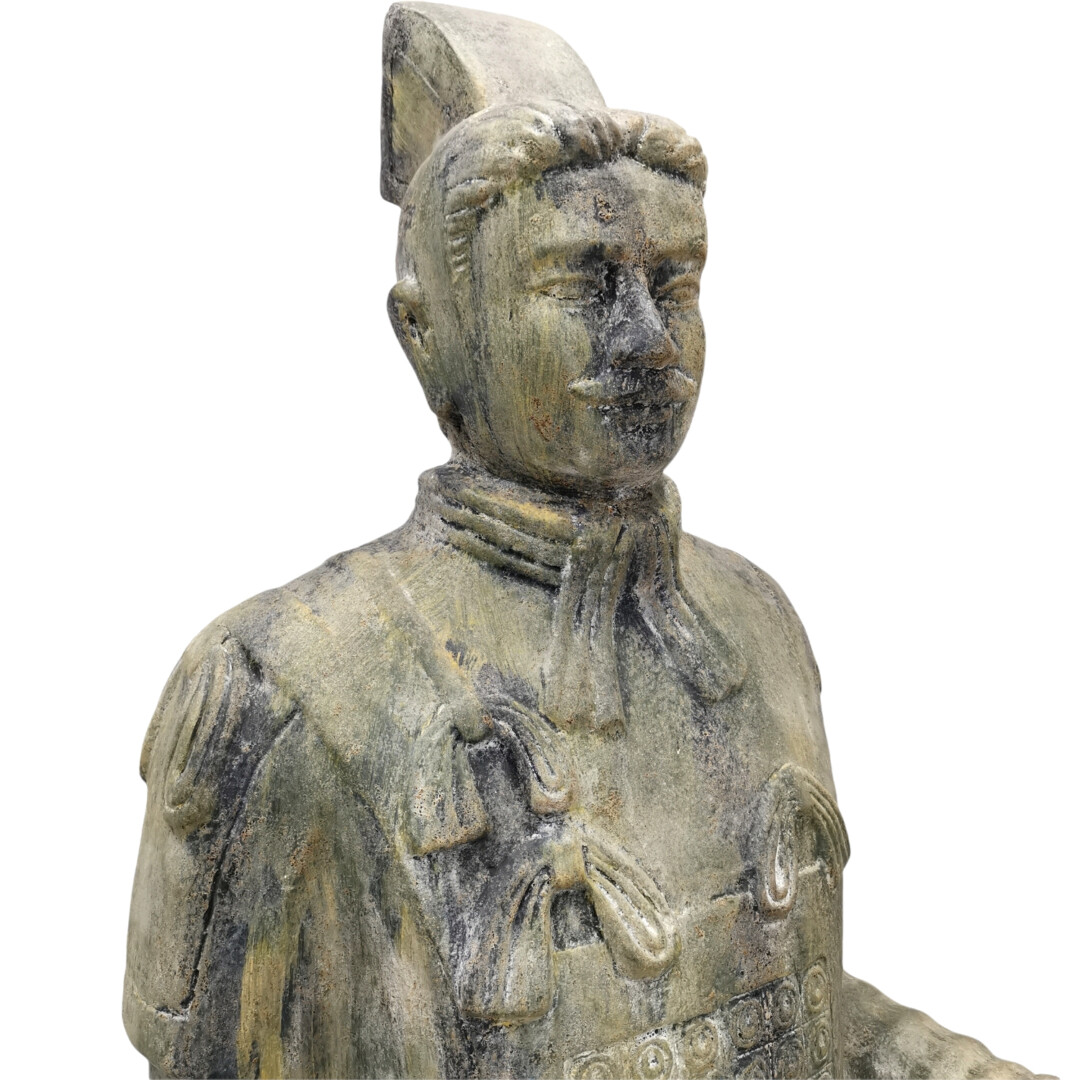
A life-size 2-metre Chinese soldier statue cast in Glass Reinforced Concrete (GRC), drawing on the iconography of the famous Terracotta Warriors of Xi’an. Substantial enough to anchor an entryway, garden gate or commercial space — engineered for South African weather and built to last for decades.
– Dimensions: 55 × 55 × 200 cm (W × D × H)
– Cast in Glass Reinforced Concrete (GRC) for stone-like character
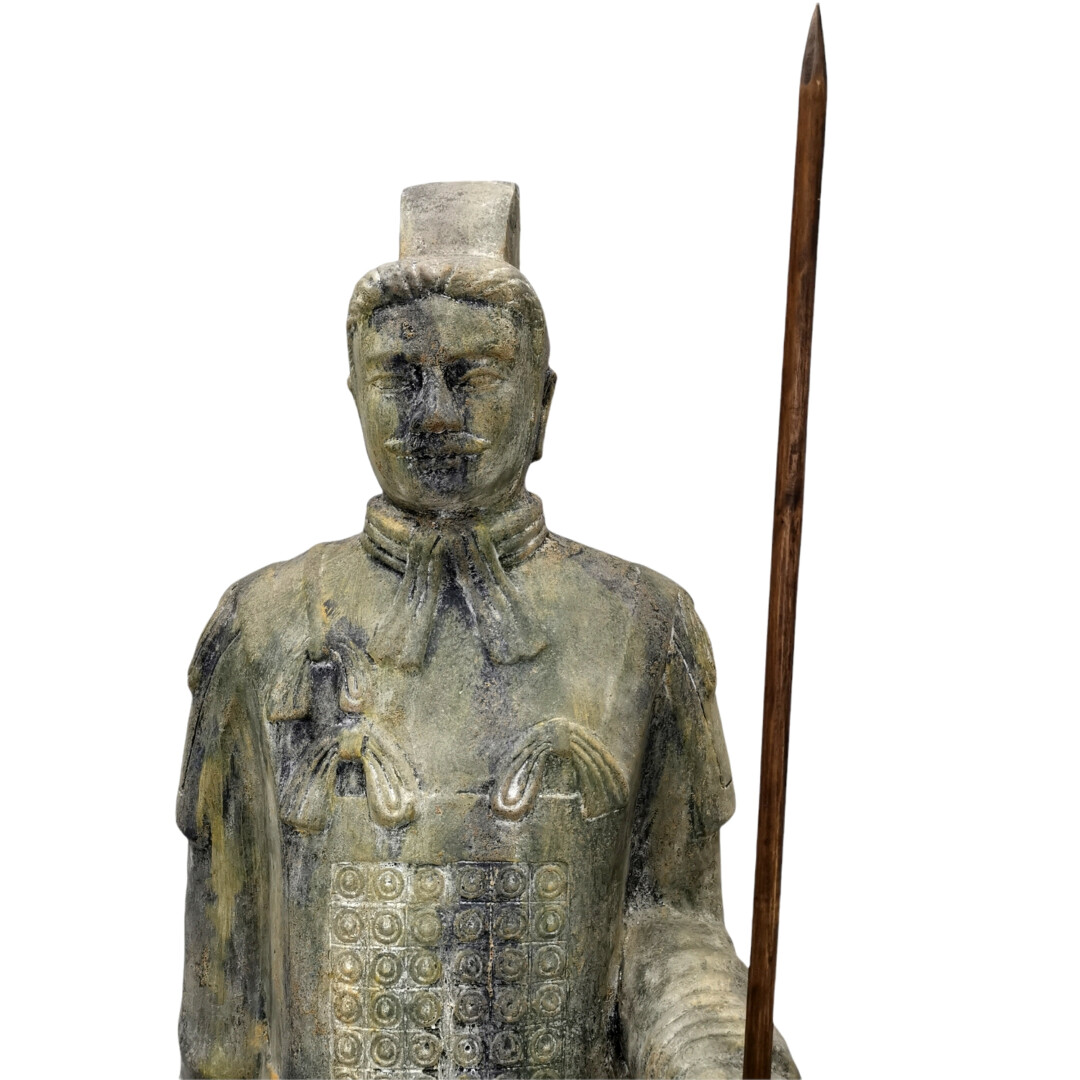
– Earthy weathered grey finish with hand-finished detailing
– Inspired by the Chinese Terracotta Warriors and traditional guardian figures
– Suitable for indoor and outdoor placement
– A genuine statement piece for entryways, gardens, lodges and commercial spaces
- Estimated Delivery : 4 to 10 business days
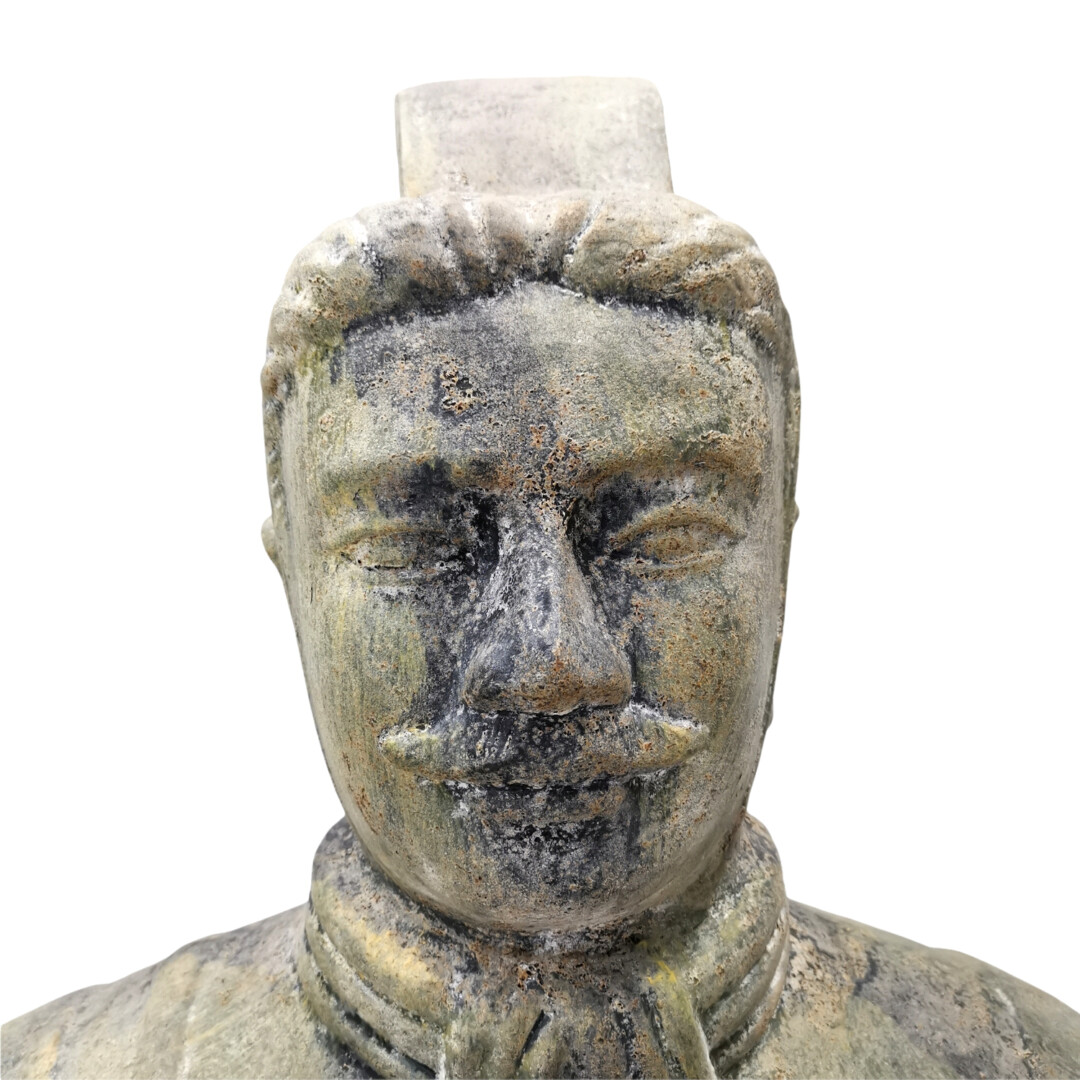
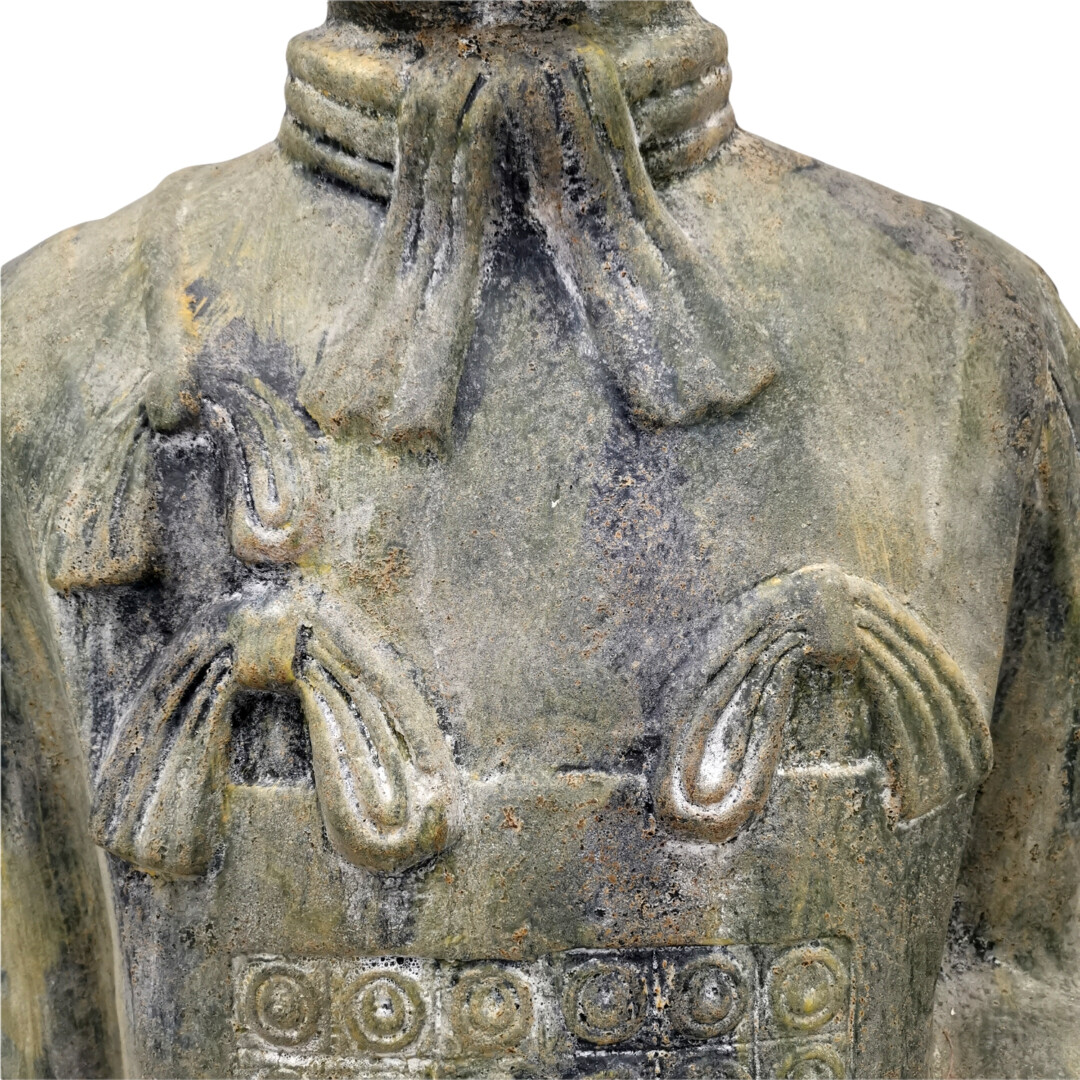
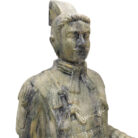
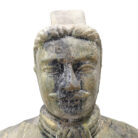
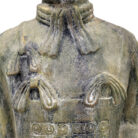
A life-size Chinese soldier statue cast in GRC with weathered detailing
A 2-metre statue is a different category of object from any other piece of decor. It is not styled around — it defines the space it sits in. Visitors notice it immediately, the architecture of the room reorganises around it, and the styling of everything else in the room becomes secondary. This is true whether the piece is positioned indoors as a foyer guardian, outdoors at a garden gate, or in a commercial setting as the anchor of a reception area. Pieces of this scale ask serious questions about the space they go into — and reward serious thought about where and how they sit. For homes, gardens and commercial spaces with the architectural generosity to carry a life-size sculptural piece, the right one becomes a permanent feature rather than a decor accessory.
The GRC Chinese Soldier Statue is exactly that kind of substantial sculptural object. Standing a full 200 cm tall on a 55 × 55 cm base, the piece is cast in Glass Reinforced Concrete with hand-finished detailing that draws directly on the iconography of the Chinese Terracotta Warriors — the famous ancient Chinese funerary army discovered at Xi’an, dating to the third century BCE. The earthy weathered finish gives the piece an aged, archaeological character, as if it has stood in place for far longer than it has. The guarding pose, the period-accurate armour detailing, and the substantial scale combine to produce a piece that reads as genuine historical reference rather than generic Asian decor.
The character of the Terracotta Warrior heritage
The Terracotta Army of Xi’an is one of the most significant archaeological discoveries of the twentieth century — over 8,000 life-size warriors, horses and chariots buried with the first Emperor of unified China, Qin Shi Huang, in 210–209 BCE. Three things about this heritage are worth understanding when bringing an inspired piece into a home or garden.
Each of the original warriors was unique. The astonishing detail of the Xi’an army is that no two faces are identical — the warriors were modelled with individual features, hairstyles, expressions and rank insignia. Pieces inspired by this tradition draw on a craft heritage that values realism and individual character rather than mass-produced uniformity. The hand-finished detailing on this statue carries that spirit forward, even at a more accessible decor scale.
The “guarding” pose has specific cultural significance. The original warriors stood guard for an emperor in the afterlife — a protective function rather than an aggressive one. Across Chinese tradition, guardian figures (including stone lions, foo dogs, and warrior statues) are placed at entrances and thresholds to symbolise protection and welcome. Positioning this piece at an entryway, gateway or threshold draws on that broader tradition rather than treating the figure as a decorative warrior in isolation.
The earthy weathered finish references the original archaeological discovery. The actual Terracotta Warriors were originally painted in vivid colour — most of which has been lost over twenty-three centuries underground. Today the figures are recognisable in their weathered, earthy state, which has become the dominant visual reference for the heritage. The grey-toned finish on this statue evokes that archaeological aesthetic rather than attempting to replicate the original (now lost) painted appearance.
Why GRC works for a life-size statue
The material choice on a piece of this scale matters more than it might on smaller decor. Three things about GRC are worth understanding for buyers considering a life-size statue.
It is significantly lighter than solid stone or concrete. A solid-stone or traditional concrete statue at 2 metres tall would weigh in the region of 250 to 400 kg — requiring specialist installation, structural floor support, and effectively permanent placement. GRC of the same scale typically weighs 60 to 100 kg, still very substantial but moveable by a small team without lifting equipment. For buyers who may want to reposition the piece, change garden layouts, or move the statue between properties, that handling difference matters.
It handles outdoor conditions properly. Solid concrete is vulnerable to thermal cycling and surface cracking over years of South African summer-winter exposure. GRC is engineered specifically for these conditions — the glass-fibre reinforcement gives the piece structural flexibility that resists weather-induced damage, and the dense surface resists moisture penetration. For a garden statue intended to stand for decades, GRC is genuinely the right material choice.
The surface holds detail beautifully. The hand-finished detailing on the armour, facial features and pose of this statue is preserved cleanly through the GRC casting process — the material takes detail without the surface roughness that traditional cast concrete often shows. Up close, the piece reads as crafted rather than mass-produced.
Where a life-size statue sits best
The 2-metre scale and substantial sculptural presence demand specific placements. A few settings work particularly well.
In an entrance hall or foyer with double-volume ceilings. The most natural indoor placement. A 2-metre statue needs ceiling height to read properly — single-storey rooms with standard 2.4-metre ceilings will feel crowded by a piece this tall. Foyers, entrance halls and lounges with double-volume ceilings, mezzanine spaces or genuinely generous proportions are the right settings. Position to one side of the entrance or against a wall, where the statue greets visitors as they arrive.
At a garden entrance, gateway or path terminus. Outdoor placement plays directly into the original guardian tradition. Position the statue at a garden gate, at the entrance to a courtyard, or at the end of a garden path as a sight-line piece. The earthy weathered finish softens further with exposure to the elements over time — many owners welcome the natural development of moss and patina on outdoor garden statuary. Particularly effective in formal gardens, Chinese-inspired or Asian fusion garden schemes, or contemporary landscaped gardens where the statue becomes a sculptural focal point.
Beside a pool, water feature or terrace. Substantial statuary beside water has a long tradition in Chinese garden design — the contemplative reflection of the figure in still water doubles its presence and reinforces the considered character of the space. Position alongside a swimming pool, ornamental pond, or the edge of a paved terrace.
In a hotel lobby, restaurant entrance or commercial reception. Commercial settings with substantial entrance areas — boutique hotels, restaurants with an Asian or fusion concept, office building lobbies, spa receptions — invest in life-size sculptural pieces precisely because they signal the seriousness of the space immediately. A Chinese soldier statue at the entrance of a hotel or restaurant becomes a permanent, much-photographed feature that distinguishes the venue from competitors.
In a private collection, gallery space or library. For buyers with dedicated display spaces — a collector’s library, a private gallery, a substantial entertainment area — a life-size statue earns its place as a serious piece in a curated collection. Position with appropriate lighting and sufficient surrounding space so the piece reads as a sculptural object rather than as an obstacle.
What to pair the soldier statue with
The substantial scale and earthy palette set up specific pairings across the Sotran range.
With other Stone & Pottery pieces for a curated outdoor collection. The statue ties naturally to other items in the Stone & Pottery range — building a curated grouping of substantial cast pieces creates a coherent garden or entryway scheme rather than a single isolated statue.
With other Garden Decor for a complete outdoor scheme. Browse the Garden Decor range for complementary outdoor pieces — fountains, smaller statues, planters and other substantial garden furniture. The combination of life-size figure, smaller sculptural pieces and well-placed planting builds a layered, considered garden scheme.
Alongside fountains for a contemplative water-and-stone moment. The statue pairs particularly well with pieces from the Fountains range — substantial sculpture beside flowing water has an established tradition in Chinese garden design that translates beautifully into contemporary South African gardens.
With other Statues to build a sculptural collection. Browse the Statues tag for other substantial pieces. A small collection of statues at varying scales — a life-size guardian figure, smaller secondary pieces — reads as a deliberately curated sculpture display rather than as a single decorative statement.
With other Grey Furniture and Decor pieces. The weathered grey finish ties to other items in the Grey Furniture and Decor range. Cross-styling with grey accents elsewhere in the indoor or outdoor space reinforces the palette across the broader scheme.
Beneath strong directional lighting. Substantial statuary rewards being lit. For indoor placement, position near windows or beside pieces from the Floor Lamps range. For outdoor placement, garden uplighting positioned at the base of the statue dramatically enhances the evening presence of the piece — the shadows and depth of the carved detail come fully alive when properly lit at night.
In an Outdoor & Patio scheme with substantial seating. For garden or terrace placement, pair with substantial seating from the Patio Furniture and Outdoor Benches ranges. The combination of monumental statuary and substantial outdoor seating creates a contemplative garden space designed for spending serious time in.
A note on placement and respect for cultural heritage
The Terracotta Warriors carry profound cultural and historical significance in Chinese heritage. Pieces inspired by this tradition deserve display that honours rather than trivialises the source. A few considerations worth keeping in mind. Position the statue where it has space to be appreciated rather than crowded into a corner. Pair with considered, quality surrounding pieces rather than miscellaneous decor. Avoid display positions that read as casual or disrespectful (such as immediately beside dustbins, footwear racks, or service areas). For buyers genuinely interested in the history behind the piece, a small framed text or a curated book about the Xi’an warriors displayed nearby adds context that elevates the statue from decoration to genuine cultural reference. None of this is required — but it is the kind of considered placement that makes a substantial cultural-heritage piece earn its full presence in a home or commercial space.
A note on installation and handling
At 2 metres tall and substantially weighted in GRC, this statue is a serious installation rather than a casual decor placement. For best results, plan the destination position before delivery — moving the piece once installed is a meaningful undertaking. Indoor installations should consider the floor loading and the route from the delivery point to the final position (doorways, stair landings, narrow corridors). For outdoor placement, a level surface is essential — the statue’s stability depends on a properly prepared base. Concrete pads, paved patio surfaces, or compacted level ground all work well. For sites with significant slope, a small concrete plinth poured to provide a level base extends both the visual presence and the long-term stability of the piece.
Caring for a life-size GRC statue
One of the practical advantages of GRC is how genuinely low-maintenance even substantial pieces are. The Chinese Soldier Statue is built for years of display indoors or outdoors and asks only for the lightest care to keep its character intact. For indoor display, dust the surface periodically with a soft, dry cloth or a soft-bristle brush — the brush works well for reaching into the carved detailing of the armour and facial features. For deeper indoor cleaning, wipe with a barely damp cloth and a small amount of mild soap if needed, then allow to air-dry naturally.
For outdoor display, the piece is genuinely low-maintenance. Rinse with a hose or soft brush periodically to clear leaf debris, dust and surface dirt. The earthy weathered finish only deepens and gains character with exposure to the elements — many owners welcome the natural development of moss, lichen or surface patina that comes with time outdoors. If you prefer to maintain the cleaner original look, an annual gentle wash with mild soapy water and a soft brush keeps the surface fresh.
The piece handles standard South African weather conditions comfortably without protection — including the frost cycles of Highveld winters and the sun and rain of Cape and coastal regions. Position out of consistent direct contact with sprinkler systems where possible — the piece handles rain naturally, but constant water saturation accelerates the development of surface algae. With this minimal care, a life-size GRC statue becomes a permanent feature of the space it lives in, ageing with quiet dignity over decades.
| Dimensions | 55 × 55 × 200 cm |
|---|