Product on sale

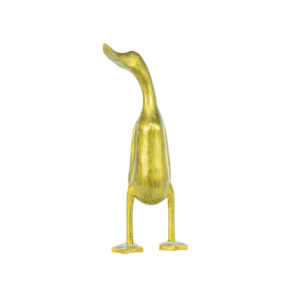
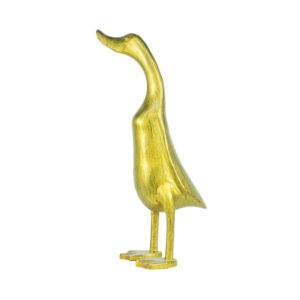
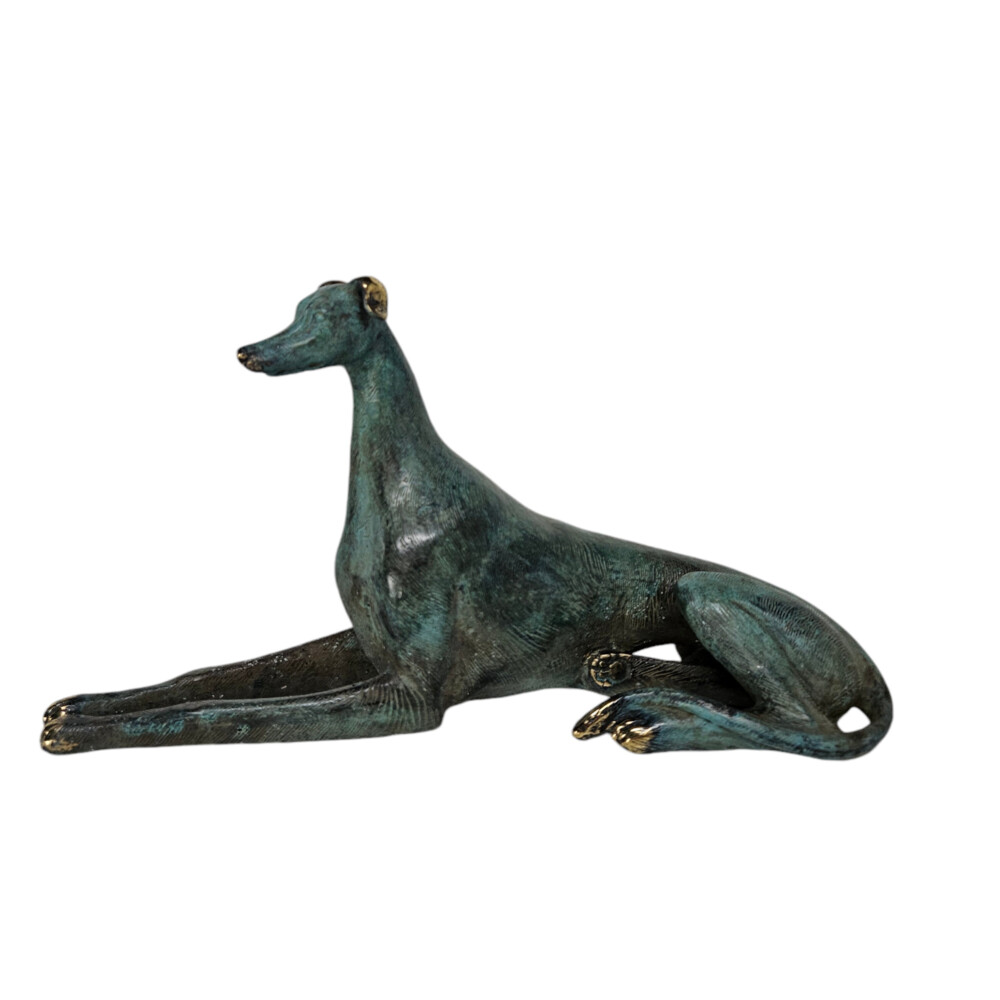
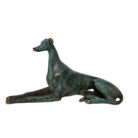
Metal Decorative Whippet Dog Relaxing

Original price was: R2995.Current price is: R2545,75.

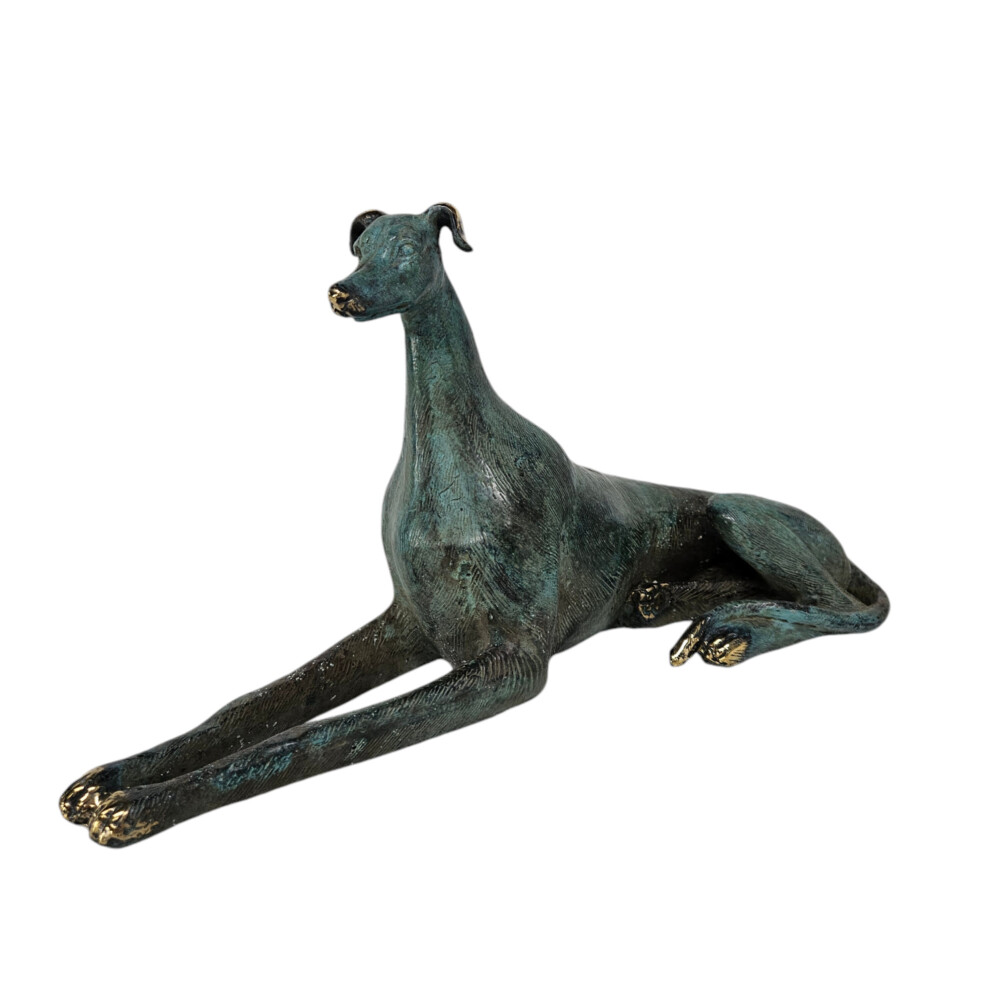
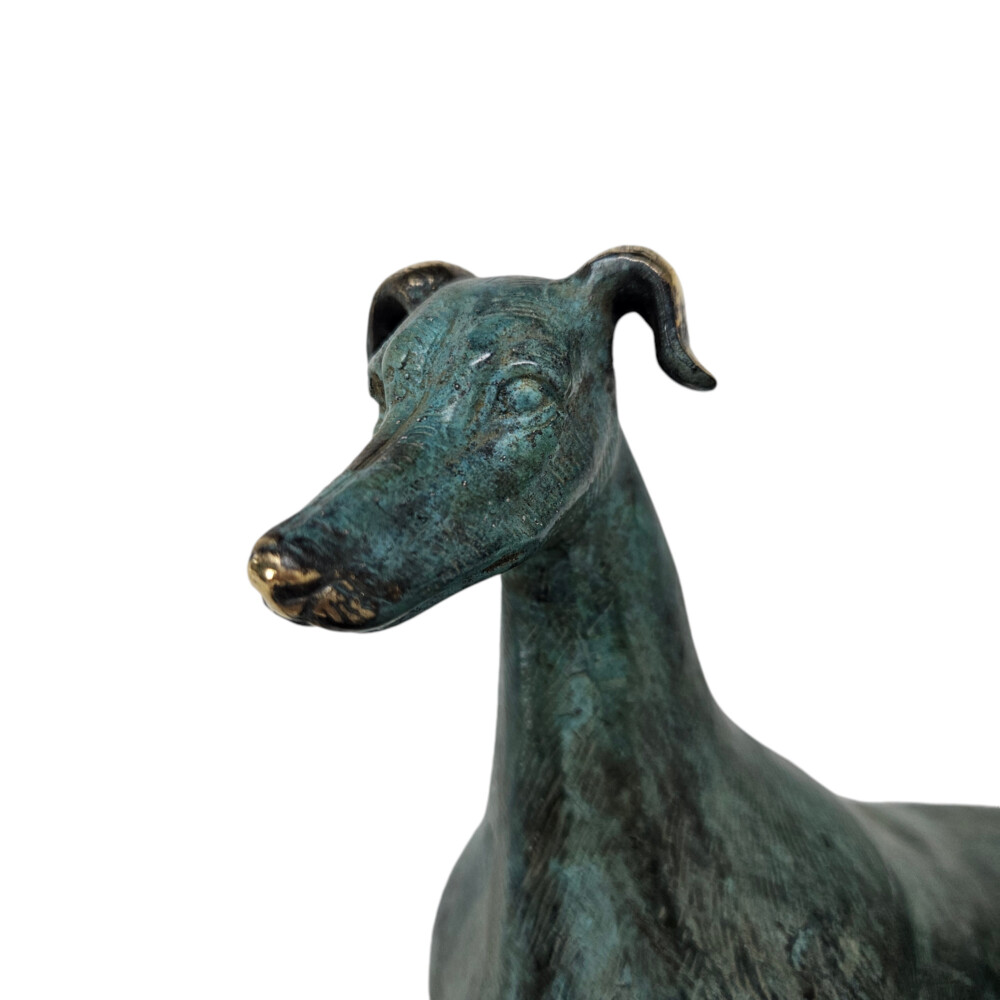
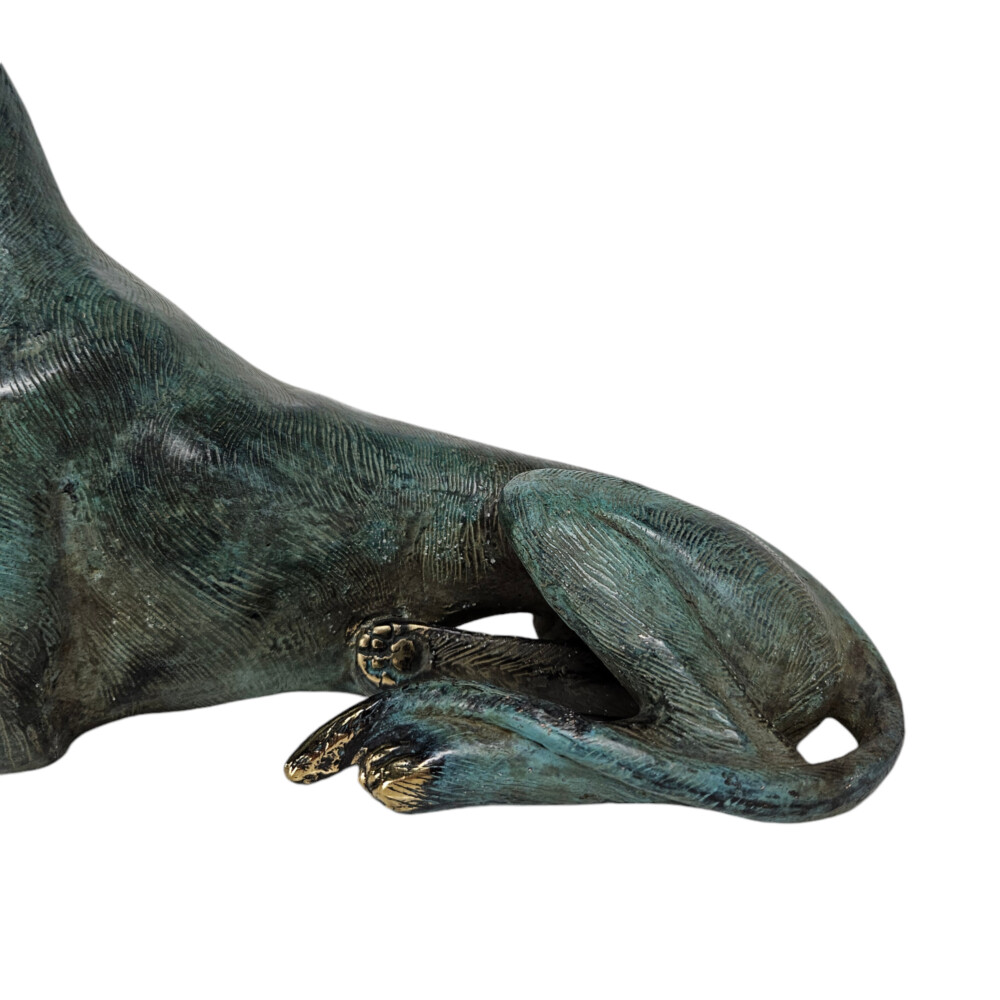
A small bronze-style metal whippet sculpture in a soft green patina finish, captured in the classical “resting hound” pose — a sculptural form with two thousand years of history in Western decorative art. Compact tabletop scale, contemporary in execution, classical in lineage.

– Dimensions: 32 × 17 cm
– Hand-finished metal construction with green patina
– Resting whippet form — classical sculptural pose
– Compact tabletop scale for shelves, mantels and console vignettes
– Suited to Classical Antique, English country and Modern Minimalist interiors
– A considered gift for whippet owners, sighthound lovers and design-led recipients

2 in stock
  • Check Mark Estimated Delivery : 4 to 10 business days
  • Visa Card
  • MasterCard
  • American Express
Guaranteed Safe And Secure Checkout

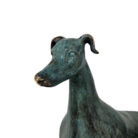
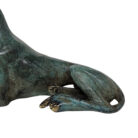
A metal whippet sculpture in green patina finish, in the classical resting pose

The whippet — and its close relatives, the greyhound and the Italian sighthound — has been one of the most consistently depicted animals in Western decorative art for over two thousand years. Greek and Roman sculptors carved greyhounds in marble. Egyptian tomb art included sighthound figures. Renaissance painters placed greyhounds at the feet of nobility in court portraits. Eighteenth and nineteenth-century English country houses commissioned cast-bronze whippets and greyhounds as fireside decor and cabinet pieces. The reasons are consistent across all of those traditions: the whippet’s slim, elongated silhouette is one of the most graceful in the animal kingdom, the breed has long been associated with aristocratic elegance, and the relaxed posture of a resting hound has been a sculptural shorthand for refined domestic life since classical antiquity. The form has held its position because it works.

The Metal Decorative Whippet Dog Relaxing is a contemporary interpretation of that ancient sculptural form. The piece measures 32 × 17 cm — properly tabletop scale, suited to shelves, mantels, console table groupings and styled vignettes. The construction is hand-finished metal in a soft green patina finish — a treatment that draws directly on the aged-bronze tradition of classical and English country whippet sculpture, where centuries of natural patination softened polished bronze into the green-grey verdigris that signalled antiquity and provenance. The classical “resting hound” pose — body settled, head raised in quiet attention — is captured with proper anatomical accuracy that gives the piece genuine sculptural weight rather than the cartoonish silhouette of decorative dog ornaments.

Why a whippet sculpture works as decor

Like other animal sculpture in the broader range, the whippet occupies a specific position with particular character.

It carries genuine classical pedigree. Where many animal sculptures are essentially modern decorative novelties, the whippet/greyhound has continuous documented use as a serious sculptural subject from ancient Egyptian tomb art through Greek and Roman temple sculpture, medieval heraldry, Renaissance court portraiture, and eighteenth and nineteenth-century English country house decor. A buyer choosing a whippet sculpture is choosing into a sculptural tradition that older pieces in their family or in country homes already participate in.

The slim silhouette is visually distinctive. Most animal sculptures rely on substantial bulk for visual presence — bulldogs, lions, elephants, bears all read through their mass. The whippet works differently: the slender, elongated form holds the eye through grace rather than through volume. This makes the piece work in spaces where a bulkier animal sculpture would feel too heavy — narrow shelves, smaller console tables, refined formal interiors.

The resting pose suits considered interior schemes. A standing or alert animal sculpture brings dynamic energy to a room. A resting one brings quietness and settled character. For studies, libraries, formal sitting rooms and refined bedrooms — interiors that benefit from calm rather than energy — the resting hound is exactly the right register.

Why the green patina finish matters

The colour and finish on this piece are deliberate aesthetic choices that connect it to a specific tradition. A few things worth understanding.

Green patina signals aged bronze rather than new metal. Bare polished bronze, brass or steel reads as new — recently manufactured, freshly finished. Green patina is the natural result of bronze ageing through decades of oxidation; the colour signals that the piece has provenance, that it has been around long enough to develop character. A green-patina finish on new sculpture deliberately invokes that aged-antique character without the buyer needing to wait sixty years for it to develop naturally.

It ties to other patinated and weathered finishes in the broader interior vocabulary. Green patina pairs beautifully with weathered timber, distressed paint finishes, naturally aged leather, and other materials that share the “developed character” aesthetic. In an interior committed to lived-in, naturally-aged styling, a fresh-bronze sculpture would feel jarring; a patinated one ties in immediately.

The colour is genuinely flexible. Soft green patina pairs comfortably with most wall colours and furniture tones — it ties to natural greens, complements warm browns and tans, contrasts beautifully against soft greys and whites, and adds depth alongside other muted earthy tones. It is one of the most universally accommodating finish colours for a substantial decor piece.

Where this whippet sits best

The 32 × 17 cm scale and classical character suit specific placements within a styled home.

On a mantelpiece in a formal sitting room or study. The most natural placement. The classical sculpture vocabulary suits mantelpiece styling — particularly when grouped with other classical-leaning pieces (candlesticks, framed prints, antique books). The relaxed pose makes the piece feel like a permanent settled occupant of the room rather than an ornament passing through.

On a console table in an entryway or hallway. Position centrally on an entry console, with a wall mirror or framed art above. The whippet quietly anchors the entrance vignette and signals the home’s character to visitors on arrival.

On open library or study shelving alongside books. Position centrally or off-centre on a shelf among book spines. The slim silhouette fits comfortably on standard book shelves, and the classical character ties to library and study aesthetics particularly well. The pose suggests quiet companionship — the kind of reading-room dog that English country libraries have included for centuries.

On a desk in a home office or study. Position on a desk as a small calming presence. The classical lineage and refined silhouette suit considered work spaces better than novelty animal decor would.

In a bedroom on a dresser or bedside surface. Position on bedroom furniture as a quiet character moment. The compact scale fits comfortably on standard bedside tables and dressers without crowding.

As a considered gift for whippet, greyhound or sighthound owners. This is one of the most natural placements as a gift — sighthound owners are often particularly devoted to the breed and appreciate decorative pieces that honour it specifically. At under R2,500, the piece is in a meaningful gift price band suitable for milestone occasions, significant birthdays, or memorial gifts for owners who have lost a treasured dog. The metal construction makes the piece a permanent lasting tribute rather than a perishable gift.

What this whippet pairs with

The classical character and green patina set up specific pairings across the Sotran range. The piece sits within the broader Decorative range as a refined sculptural moment alongside other character-led pieces. It pairs naturally with other items tagged Classic Antiques — building a coherent classical-influenced styling vocabulary across multiple pieces. As a curated dog or animal sculpture moment, position alongside other animal pieces in the broader decor range — including the Statues tag for related sculptural decor. The piece works beautifully on substantial timber furniture from the Sideboards & Consoles range, on mantels above pieces from the Coffee Tables range, or alongside books on shelving from the Bookshelf range. As a considered gift, combine with other items in the Thoughtful Gifts tag for a layered gifting moment.

Caring for a patinated metal sculpture

One of the genuine pleasures of patinated metal decor is how easily it stays looking beautiful for decades — the patina is essentially the protective finish, and any further weathering only deepens the character of the piece. Dust the surface periodically with a soft, dry cloth or a soft brush for the more intricate areas. The patina handles routine handling beautifully without showing fingerprints the way polished metal would.

For occasional deeper cleaning, wipe gently with a barely damp cloth and dry immediately — water shouldn’t be left standing on the surface for prolonged periods. Avoid abrasive scourers, harsh chemical cleaners and metal polishes, all of which can strip or alter the patina finish. The slightly aged appearance is the entire point of the piece; cleaning treatments designed to restore “new” metal finish will damage rather than improve it.

Position the piece out of consistent direct moisture exposure (it is designed for indoor placement rather than outdoor or humid bathroom use). With this minimal care, a patinated metal sculpture becomes one of those genuinely long-term decor pieces that quietly accumulates more character with every passing year — the same way the antique bronze whippets in country house libraries have done for two centuries before this one.

Dimensions 32 × 17 cm