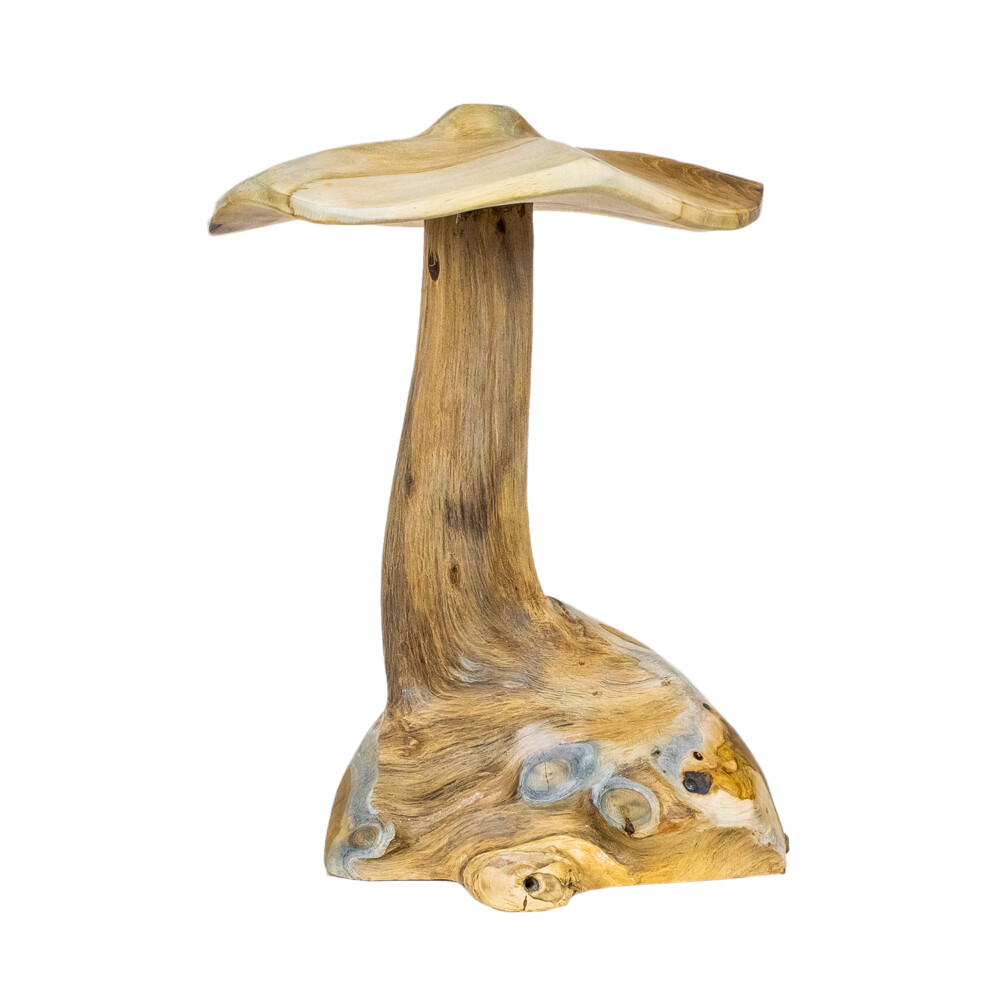
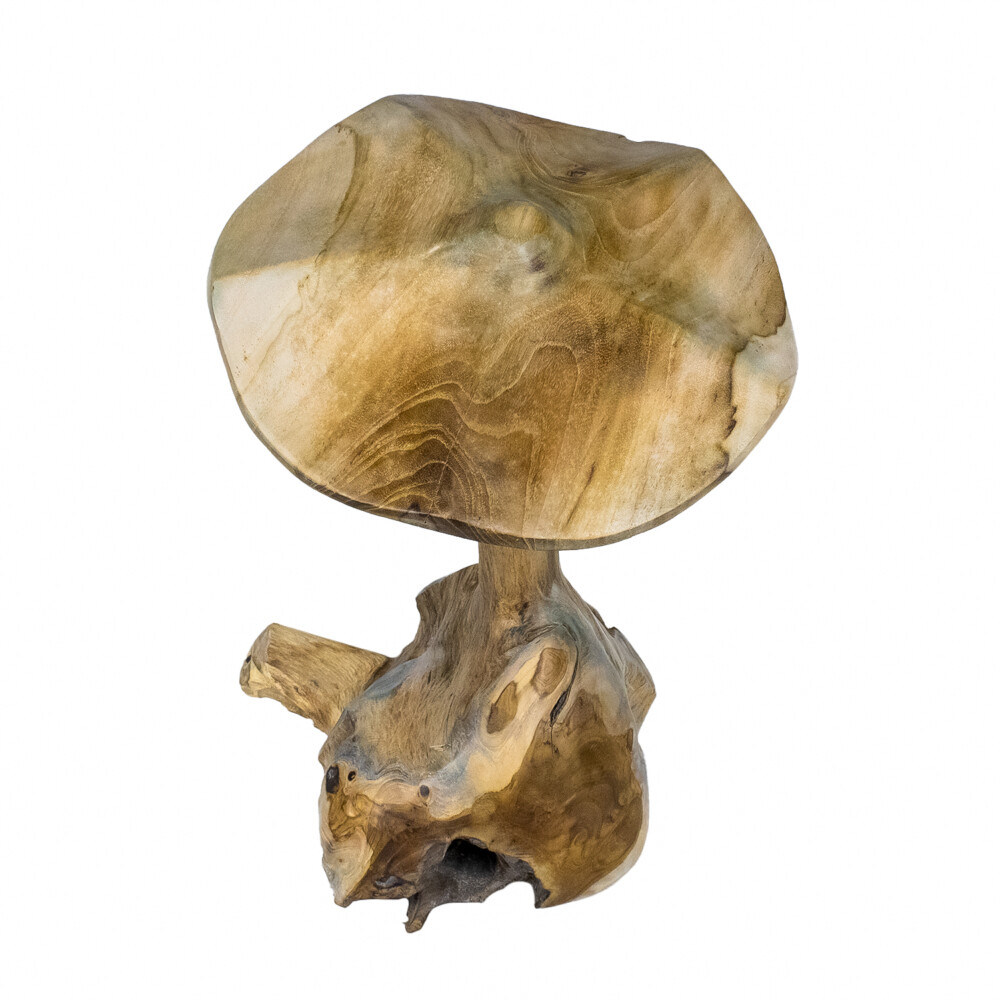
Organic Teak Mushroom Sculpture
A 32cm hand-carved sculpture in ethically harvested teak — naturalistic mushroom form with rich warm wood tones and the kind of organic silhouette that brings woodland character into considered modern interiors. Properly tabletop scale, distinctive subject choice, and part of the broader biophilic decor trend that’s reshaped modern decor over the past several years.
– Dimensions: 22 × 25 × 32 cm
– Hand-carved from ethically harvested teak wood
– Naturalistic mushroom form with rich warm tones
– Substantial tabletop scale — proper feature-piece presence
– Suited to nature-inspired, biophilic, Modern Boho and woodland-influenced interiors
– A distinctive gift for nature lovers, gardeners and biophilic-design enthusiasts
- Estimated Delivery : 4 to 10 business days
A hand-carved teak mushroom sculpture
The mushroom has emerged as one of the more unexpected motifs in considered contemporary decor. Where animal sculpture, classical figures, abstract forms and architectural shapes have all carried decorative weight for centuries, the mushroom sculpture is genuinely contemporary — part of the broader biophilic design movement that’s reshaped how modern interiors think about bringing the natural world indoors. The motif has gained particular currency over the past several years, riding cultural waves around foraging, sustainable food, woodland aesthetics, and the broader appreciation of fungal life that’s emerged from popular science writing and the renewed cultural interest in mycelium networks. The result is a decor object that reads as fresh and current rather than as traditional or expected — a piece that signals contemporary nature-influenced interior thinking rather than committing to any older decor vocabulary.
The Organic Teak Mushroom Sculpture is exactly that kind of piece. Measuring 22 × 25 × 32 cm, the sculpture is properly substantial — sized to hold the eye as a deliberate decor object rather than reading as a small woodland accent. The construction is hand-carved teak, ethically harvested as part of broader sustainability-focused timber sourcing. The form captures the naturalistic silhouette of the mushroom: the rounded cap, the slim stem, the considered organic proportions that give the piece its sculptural integrity. The teak itself brings rich warm tones and the distinctive grain that has made the timber a foundational material in considered furniture for centuries. As with all hand-carved decor, small variations in the precise carving and finish are inherent to genuine craft work — meaning each piece carries minor specific differences while sharing the same overall form.
Why mushroom decor sits differently from other natural-form pieces
The choice of mushroom as a decorative subject does specific work that other natural forms can’t quite replicate. A few things worth understanding.
It signals biophilic design without being overt about it. Most biophilic decor falls into recognisable categories — botanical prints, indoor plants, woven natural fibres, exposed wood grain. Mushroom sculpture sits in fresher territory: still unmistakably nature-inspired, but visually distinctive enough to read as a deliberate considered choice rather than as a default biophilic gesture. The form signals commitment to nature-influenced interior thinking without falling into the same vocabulary as every other biophilic-leaning home.
It carries warmth without being heavy. Where animal sculpture (a Spartan helmet, a buffalo skull, a substantial dragon) signals weight and seriousness, mushroom sculpture sits in a quieter register — warm, organic, gently present rather than dominant. For interiors leaning toward calm, considered, nature-influenced character, the mushroom motif provides sculptural interest without committing the room to a heavier emotional register.
It works in genuinely contemporary interiors that resist traditional decor. Many decorative subjects (classical figures, traditional ornaments, heritage pieces) feel out of place in stripped-back modern interiors. The mushroom motif is contemporary in its decor history — meaning it works naturally in modern minimalist, Modern Boho, biophilic, and contemporary nature-influenced schemes where more traditional decor would feel mismatched.
Why teak matters as the material choice
The choice of teak specifically (as distinct from the broader “solid wood” category) carries genuine material significance. A few things worth understanding.
Teak is one of the most durable hardwoods in considered decor. The dense grain structure and natural oil content give teak exceptional resistance to drying, cracking and the gradual degradation that affects lesser timber over years. A teak sculpture acquired today will look essentially the same in twenty years that it does now, with only the gentle deepening of patina that adds character rather than detracting from it.
The warm rich tones are distinctive to teak. Where mango wood reads as warm but lighter, oak as cool and grain-emphasised, pine as soft and casual, teak carries a specific warm honey-brown tone with golden undertones that’s recognisable across centuries of use in considered furniture and decor. The colour is part of why teak has been the timber of choice for boat decks, classical furniture, and substantial architectural elements for so long.
Ethical harvesting matters more for teak than for many timbers. Teak’s value and slow growth (mature trees take 50+ years) have historically made it vulnerable to over-harvesting. The “ethically harvested” framing on this piece signals supply-chain attention to sustainable forestry — meaning buyers concerned about timber sourcing can purchase the piece with reasonable confidence that the material reflects responsible practice rather than cut-corner sourcing.
Where this mushroom sculpture sits best
The substantial scale and naturalistic warm character suit specific placements within a styled home.
On a console table or sideboard as an organic anchor piece. The most natural placement. Position centrally or off-centre on an entryway console, dining sideboard or hallway table. The substantial vertical proportions balance the typically horizontal sweep of the underlying furniture, while the warm teak tones bring nature-inspired character to the broader styling. Particularly effective when grouped with other natural-form pieces (a substantial vase with eucalyptus stems, a bowl of natural objects, a small ceramic vessel) for a complete biophilic vignette.
On a coffee table as a substantial centerpiece. The 32cm height holds proper presence on coffee tables without crowding the surrounding seating space. Position centrally as a standalone sculptural moment, or alongside one or two smaller decorative balls or natural objects for a layered grouping.
On open shelving among books and natural-form decor. The mushroom sits beautifully on substantial bookshelves where the warm teak tones complement book spines and bookshelf wood. Particularly effective as a focal moment among books on subjects connecting to the broader biophilic aesthetic — gardening books, nature writing, design books, foraging guides.
On a study or office desk as a quiet anchor piece. The naturalistic form brings calm to working environments that often default to minimalist sterility. Position toward the corner of the desk where it’s visible from the working position without crowding active workspace. The piece reads as considered taste rather than as commercial decor.
On a bedside table or dresser as bedroom decor. The compact base footprint fits comfortably on standard bedside surfaces, while the substantial vertical form provides proper sculptural moment in spaces that often default to purely functional bedside arrangements. Particularly effective in bedrooms designed around natural materials and calm character.
In a bathroom on a wide ledge or vanity surface. Mushroom decor works particularly well in bathrooms designed around spa-influenced natural character — alongside natural stone surfaces, plant arrangements, and calm material palettes. The teak holds up well to indirect bathroom moisture provided the piece isn’t placed directly in the shower zone.
As a meaningful gift for nature-influenced recipients. The distinctive subject choice makes the piece particularly suited as a gift for someone with genuine connection to gardens, foraging, woodland walking, biophilic design, sustainable living, or the broader nature-inspired aesthetic. The teak wood and ethical sourcing framing add additional meaning for environmentally-conscious recipients.
Caring for hand-carved teak decor
Dust the sculpture periodically with a soft, dry cloth — a soft brush works well for any organic surface contours where dust tends to settle. Position out of consistent direct sunlight to preserve the depth of the teak tones over the years. The Magico Furniture Polish from the broader Furniture Care range applies a light protective layer that maintains the teak’s natural character — a quick treatment once or twice yearly keeps the timber looking its best for decades.
| Dimensions | 25 × 22 × 32 cm |
|---|


Pottery Purple Mosaic Vase