Product on sale

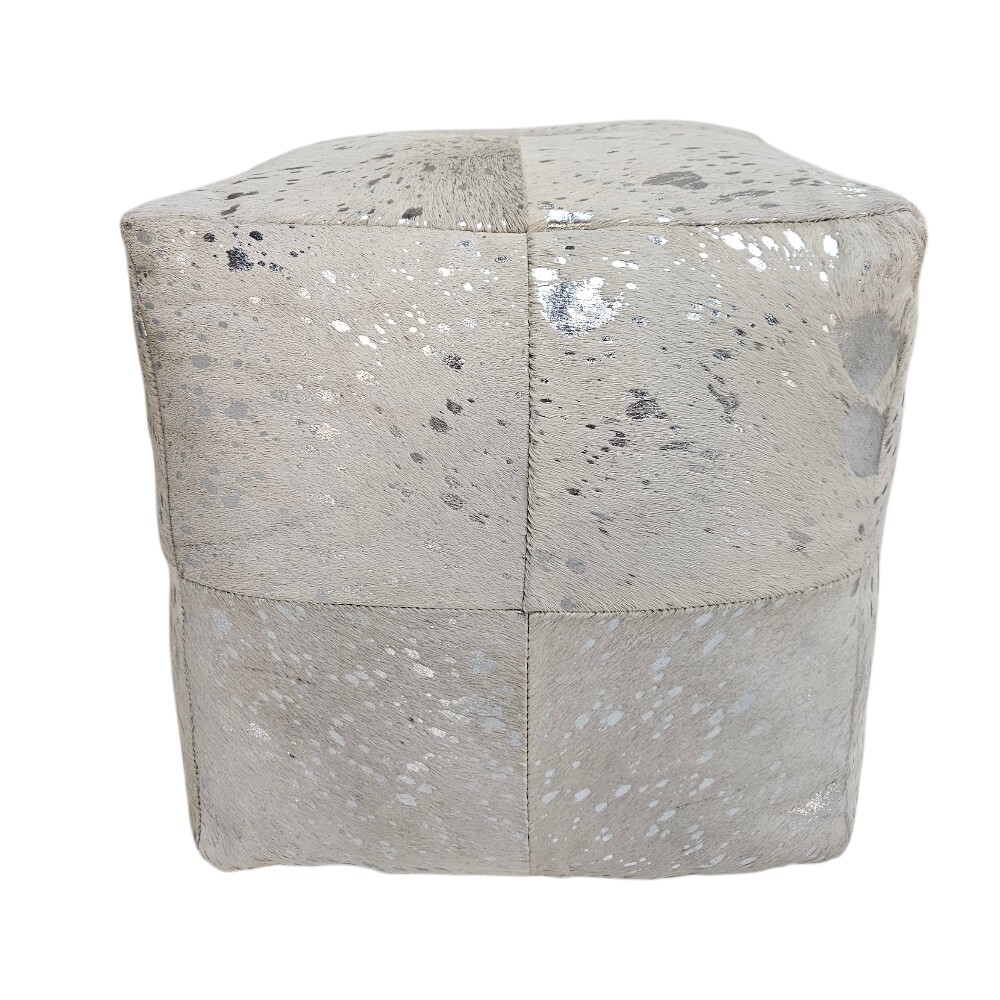
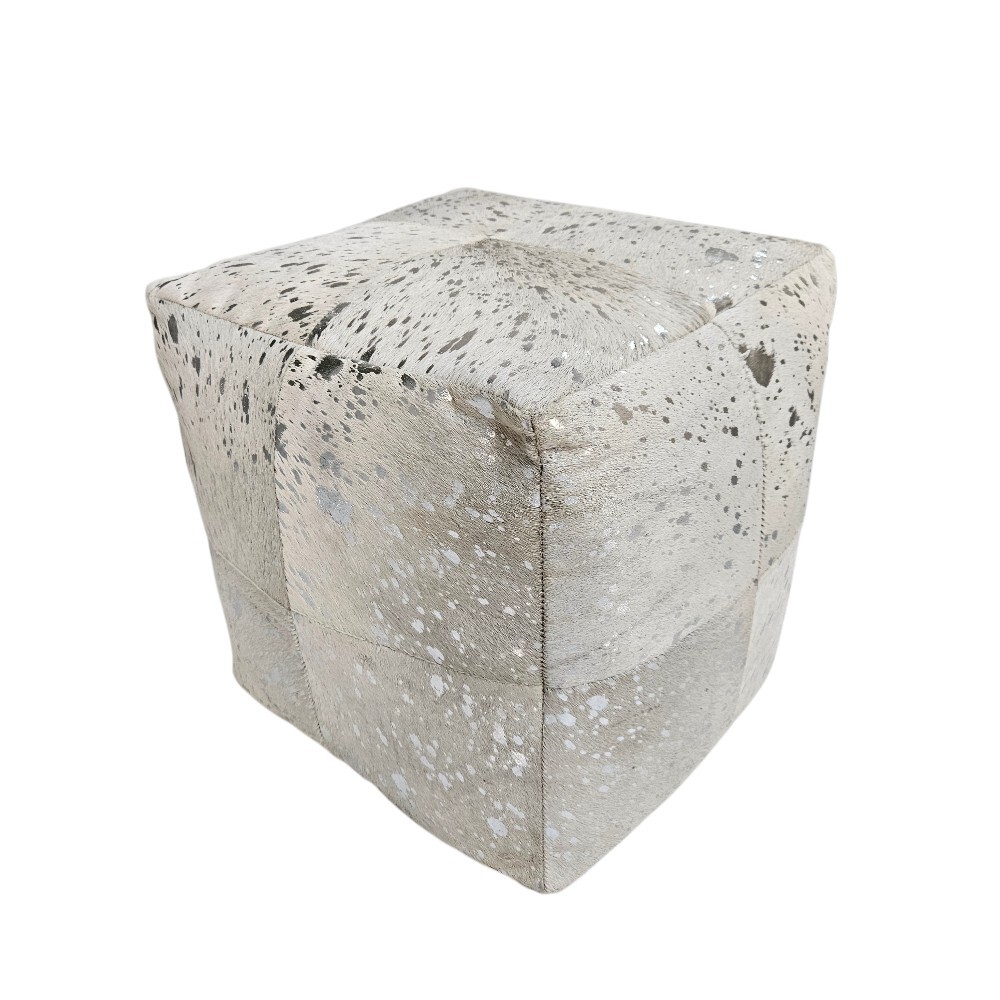
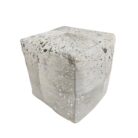
White Hide Ottoman

Original price was: R3995.Current price is: R3395,75.

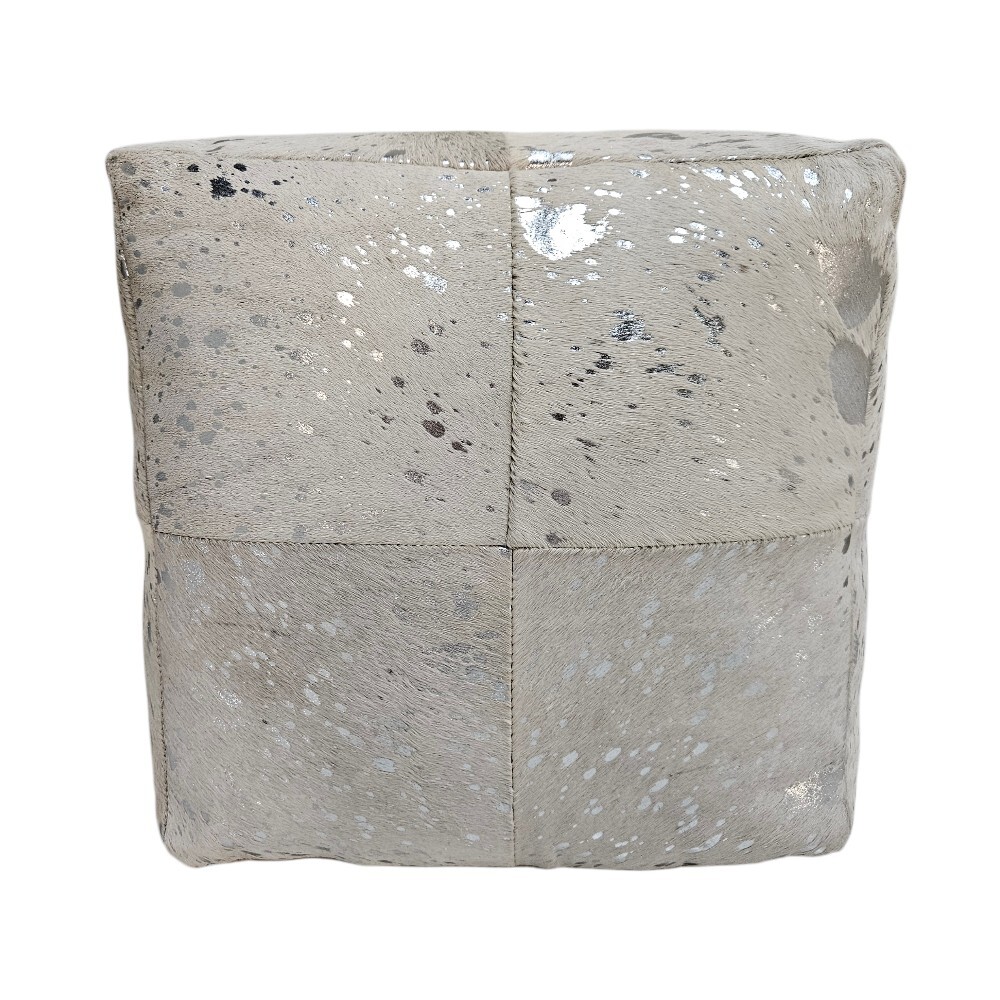
A substantial 50cm cube ottoman wrapped in genuine cowhide — white with a striking silver-speckled natural pattern. Built to do three jobs at once: extra seat for guests, daily footrest, and impromptu side table for trays of drinks. Each cowhide piece is uniquely patterned, no two identical.

– Dimensions: 50 × 50 × 45 cm cube

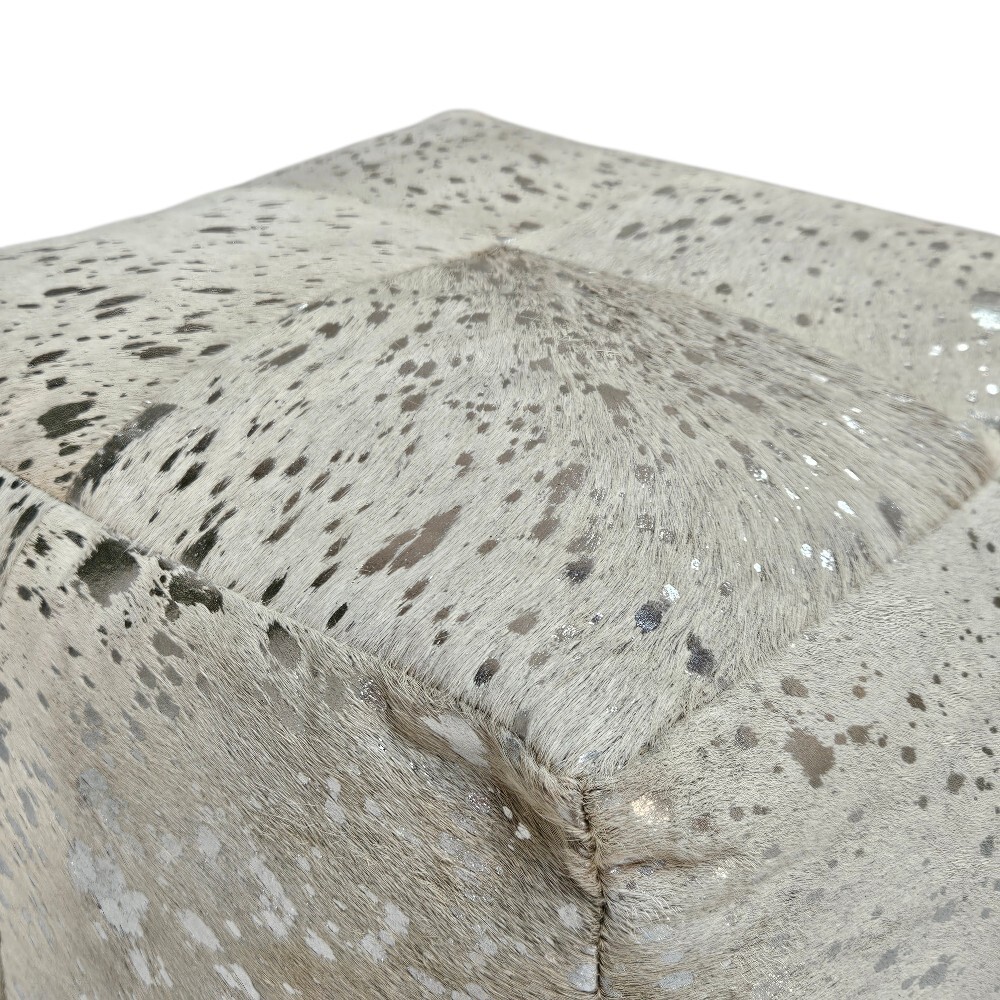
– Genuine cowhide upholstery in white with silver-speckled pattern

– Triple-function: seat, footrest and tray surface

– Each hide piece is naturally unique

– Suited to lounges, bedrooms, dressing areas and Safari Lodge interiors

– The natural alternative to fabric or leather ottomans

8 in stock
  • Check Mark Estimated Delivery : 4 to 10 business days
  • Visa Card
  • MasterCard
  • American Express
Guaranteed Safe And Secure Checkout
SKU: KMF3411 Categories: , Tags: ,

A genuine cowhide ottoman in white with silver-speckled natural pattern

The ottoman is one of the most consistently useful pieces of furniture in any well-considered lounge, and one of the most consistently underestimated. A good ottoman does three jobs at once that no other piece of furniture combines: it is an extra seat when guests arrive and the chairs run out, it is a daily footrest for whoever is sitting on the couch, and it is an impromptu side table for trays of drinks, plates of snacks or stacks of books. Most homes either have no ottoman (so guests stand awkwardly when seating runs out) or have a generic upholstered cube that does the function but adds nothing visually to the room. An ottoman that does all three jobs reliably AND becomes a noticed character piece in its own right is rare. The White Hide Ottoman is exactly that kind of piece.

The ottoman measures 50 × 50 × 45 cm — a substantial cube proportioned for proper adult use as seating (45 cm is the standard chair-seat height), generous as a footrest for both a small couch and a substantial cloud couch, and large enough as a side surface to hold a serving tray or stacked books without crowding. The construction is wrapped in genuine cowhide — soft white as the dominant tone with a striking silver-grey speckled pattern naturally distributed across the surface. Each cowhide is unique: the precise pattern of the silver speckling, the exact distribution of white versus accent areas, the small natural variations across the hide are all the result of the individual animal. The piece you receive shares the same general character as the photographed example but with its own specific markings.

Why a cowhide ottoman works where fabric or leather alternatives don’t

The material choice on an ottoman matters more than it might appear. A few things about why genuine cowhide outperforms typical alternatives are worth understanding.

Cowhide handles daily multi-function use better than upholstery. Most ottomans are upholstered in woven fabric or smooth leather — both materials that wear visibly with daily footrest use, show marks from drink condensation if used as a tray surface, and need protective covers if guests sit on them with hard objects in their pockets. Cowhide is naturally more forgiving: the textured natural-hair surface hides marks the way smooth surfaces don’t, the natural toughness of the material handles incidental abuse better than woven fabric, and the slightly textural surface holds a tray more securely than a smooth leather alternative.

Each piece is a one-of-a-kind decor object. Where fabric and leather ottomans are interchangeable — your unit looks identical to the next buyer’s identical model — every cowhide ottoman is a unique piece of natural decor. The pattern of the speckling, the precise distribution of colour, the small individual character marks are specific to your piece and exist nowhere else. This makes the ottoman read as a curated decor object rather than as standard furniture.

The natural material adds organic character to rooms full of hard surfaces. Most contemporary South African interiors are full of hard, smooth, uniform surfaces — tile or concrete floors, glass tables, painted walls, leather or fabric upholstery in solid colours. A natural-hide piece introduces organic texture and naturally varied character that the surrounding room often lacks. The ottoman softens the broader room visually in a way no manufactured-uniform alternative can match.

Why white hide is the specific aesthetic choice it is

The choice of white-with-silver-speckle hide rather than brown, black or natural tan is a deliberate styling statement. A few things about why white hide works particularly well are worth knowing.

White brightens rooms in a way darker hides cannot. A traditional brown or black hide ottoman sits in a room as a darker visual element — adding weight and warmth but absorbing rather than reflecting the surrounding light. A white hide does the opposite, lifting the room around it and bouncing natural light back into the space. For lounges that lean toward bright, light, contemporary palettes (rather than warm-traditional schemes), white hide ties to the broader colour vocabulary in a way darker hide cannot.

The silver speckling adds genuine pattern interest without committing to a colour. Pure-white anything reads as bland; pure-coloured anything reads as committed to a specific scheme. The silver speckling on this hide adds visual interest and pattern character while keeping the overall reading neutral enough to work across many colour palettes. The silver tones tie naturally to grey, white, cream and pale-blue palettes; the white base ties to almost any wall colour or surrounding furniture.

It signals considered design without being precious. White furniture is harder to live with than darker alternatives (it shows marks more readily) — which means buyers who choose it are signalling a confident design commitment. The hide construction modifies this slightly: the textural natural surface is more forgiving than smooth white fabric or leather, making the white-aesthetic statement somewhat more practical to live with than an equivalent fabric piece would be.

Why a 50cm cube is the right ottoman scale

Ottoman dimensions are one of those specifications buyers rarely think about — and almost always get wrong. A few things about the 50 × 50 × 45 cm scale are worth understanding.

The 45cm height is exact standard seating height. Standard dining chair seats sit at 45 cm from the floor; sofa seats at 40-45 cm; armchair seats at 40-50 cm. An ottoman at 45 cm height functions as a proper extra seat for adults — usable for the duration of a dinner party or a movie evening, not a token ten-minute seat that gets uncomfortable quickly. Shorter ottomans (some are 30-35 cm) work as footrests but fail as auxiliary seating.

The 50 × 50 cm footprint suits multiple roles. Smaller footprints (40 × 40 cm) feel cramped as footrests when both feet need to settle on the surface. Larger footprints (60 × 60 cm) start to dominate the floor space and crowd the area between the couch and coffee table. The 50 × 50 cm middle position fits comfortably in front of most couches, accommodates two adult feet easily as a footrest, and provides a substantial-but-not-overwhelming surface for tray use.

The square cube shape works in any orientation. Rectangular ottomans have a clear long axis that constrains how they can sit in a room. A square cube has no preferred orientation — it works the same way from any angle, can be moved between positions without reorientation, and looks deliberate from any direction.

Where this ottoman sits best

The substantial cube scale and white-hide character suit specific placements within a styled home.

In front of the couch as the primary footrest and occasional seat. The most natural placement. Position centred between the couch and coffee table — close enough that feet can reach it from a seated position without stretching, far enough that it doesn’t crowd the coffee table. Use as a daily footrest, slide it forward as additional seating when guests arrive, or top it with a serving tray when entertaining.

At the foot of a substantial bed in the master bedroom. The 45 cm height is right for sitting on while putting on shoes — making the ottoman the natural foot-of-bed accent piece. Particularly effective in bedrooms with a significant bed-end zone that often sits visually empty.

Beside an armchair as a dedicated reading footrest. Position alongside (or in front of) a substantial armchair as a dedicated reading-or-relaxation setup. The combination of armchair, ottoman, side table and reading lamp is the classic “considered reading nook” configuration.

In a dressing room or walk-in closet. Position as the dressing-area seat for putting on shoes, or as the dressing-table accompaniment if the space lacks a proper chair. The compact cube fits where a full-size chair would be too much.

In an entryway as the welcome-and-shoe-removal seat. The compact scale works in entrance halls where a substantial chair would crowd the space. Particularly useful for households with shoe-removal customs or for accommodating elderly visitors who appreciate a seat near the door.

In a Safari Lodge, country lodge or character-led commercial setting. The cowhide vocabulary is foundational to lodge interiors. Position in guest reception areas, lounges, or as paired ottomans in dining-and-bar zones. The substantial scale gives commercial-quality presence.

What this pairs with

The white hide and substantial scale set up specific pairings across the Sotran range. The piece works naturally with seating from the broader Cloud Couches and Couches ranges — particularly cloud couches where the substantial low-armed soft seating benefits from a complementary substantial ottoman. It pairs beautifully with seating from the Arm Chairs range as part of a styled reading or relaxation zone. As part of a Safari Lodge interior, browse the broader Safari Lodge tag for furniture and decor that share the warm-natural aesthetic — including the matching cowhide door stop and other hide pieces. The white hide ties to other items in the White and Gold styling tag — building a coherent contemporary glam vocabulary across multiple pieces. For complete lounge styling, position alongside Coffee Tables, Side Tables and Throws from the broader range.

Caring for genuine cowhide upholstery

One of the genuine pleasures of natural cowhide is how easily it stays looking beautiful for years with the simplest care routine. The textured natural surface is more forgiving than smooth fabric or leather — most everyday marks from footrest use or incidental contact don’t show against the natural pattern variation.

For routine care, vacuum the surface periodically with a soft brush attachment — the natural hair lifts dust and surface particles easily, and a quick weekly groom keeps the piece looking fresh. For occasional spot-cleaning, wipe the affected area with a barely damp cloth and a small amount of mild soap if needed, then allow to air-dry naturally. For more substantial spills, blot firmly with a clean white absorbent cloth (do not rub) to lift the liquid before it works into the hide; address spills promptly for best results.

Position the ottoman out of consistent direct sunlight to preserve the depth of the white tones over the years. Avoid placing the piece in areas with regular water exposure (bathrooms, immediately beside outdoor pool entrances during heavy use). The natural hide handles standard household conditions beautifully but isn’t designed for prolonged moisture exposure.

If marks develop from regular handling, these typically work into the natural patina rather than damaging the surface — natural hide is forgiving in a way synthetic alternatives are not. With this minimal care, a quality cowhide ottoman becomes one of those genuine multi-decade pieces that holds its character for years — and quietly accumulates the soft patina that makes natural materials such a pleasure to live with.

Dimensions 50 × 50 × 45 cm