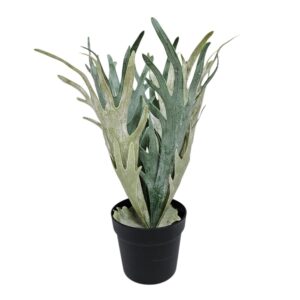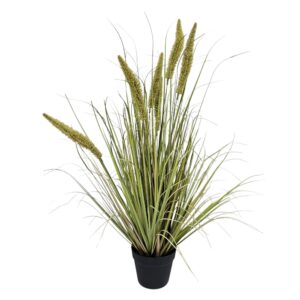
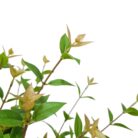
Faux Euca Bonsai Tree
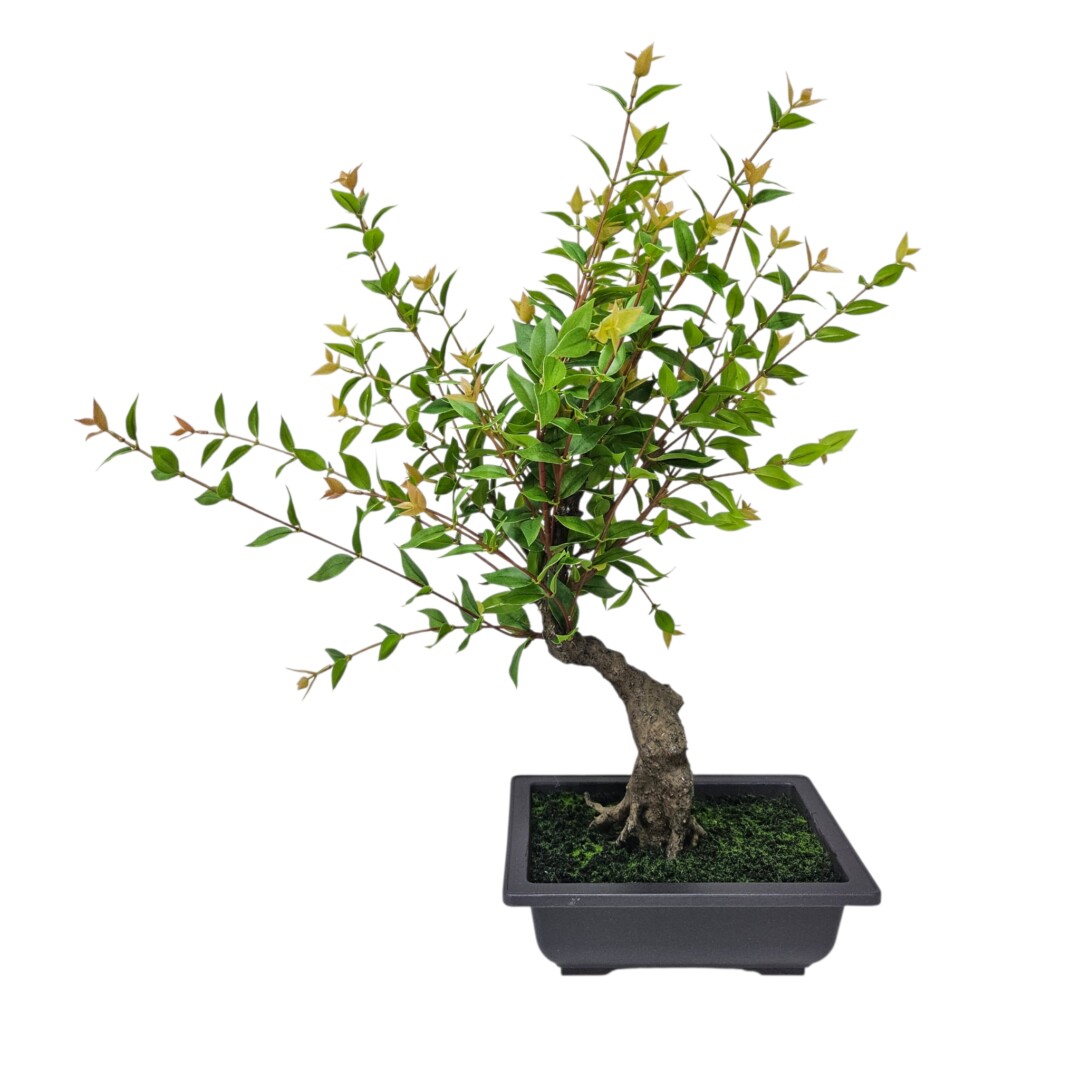
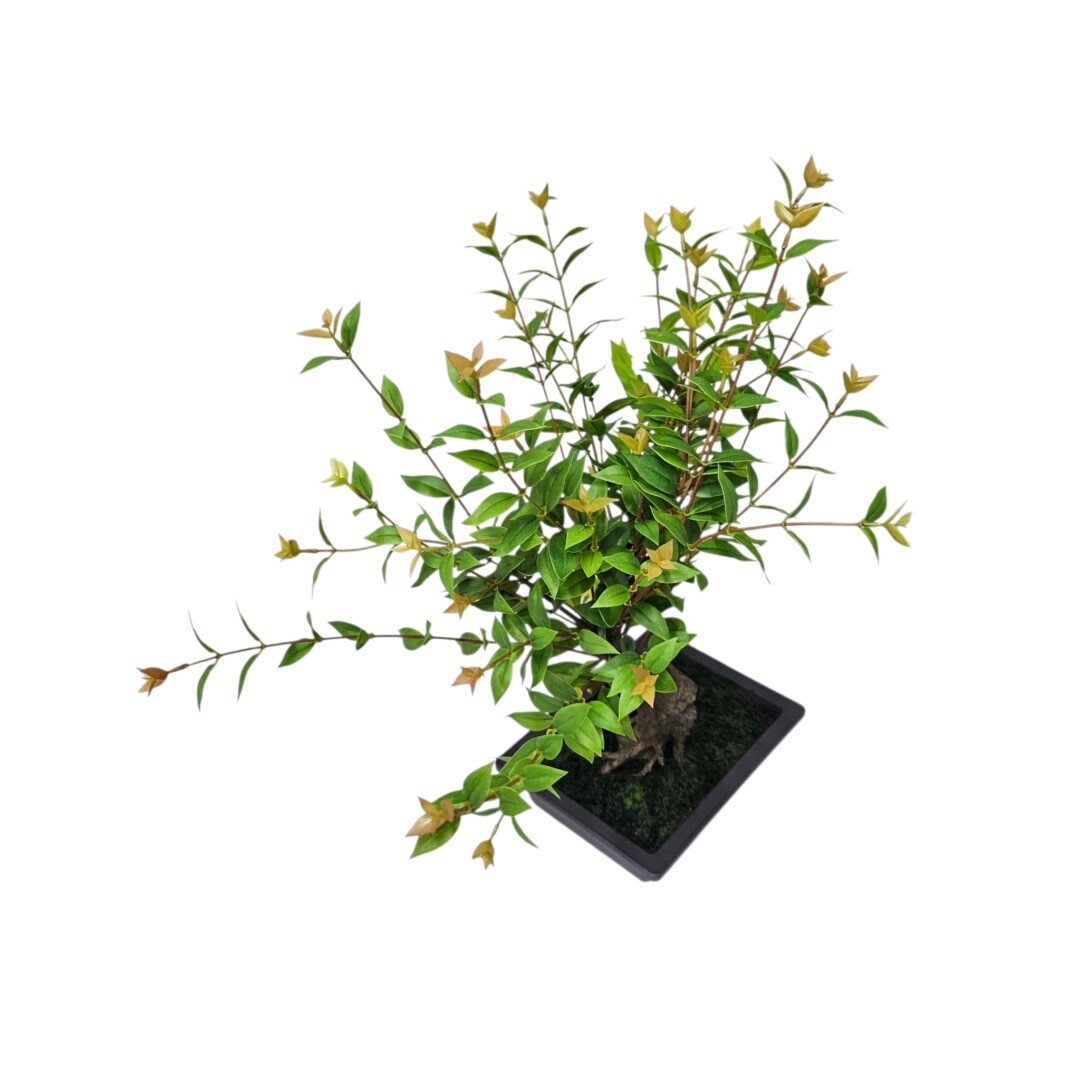
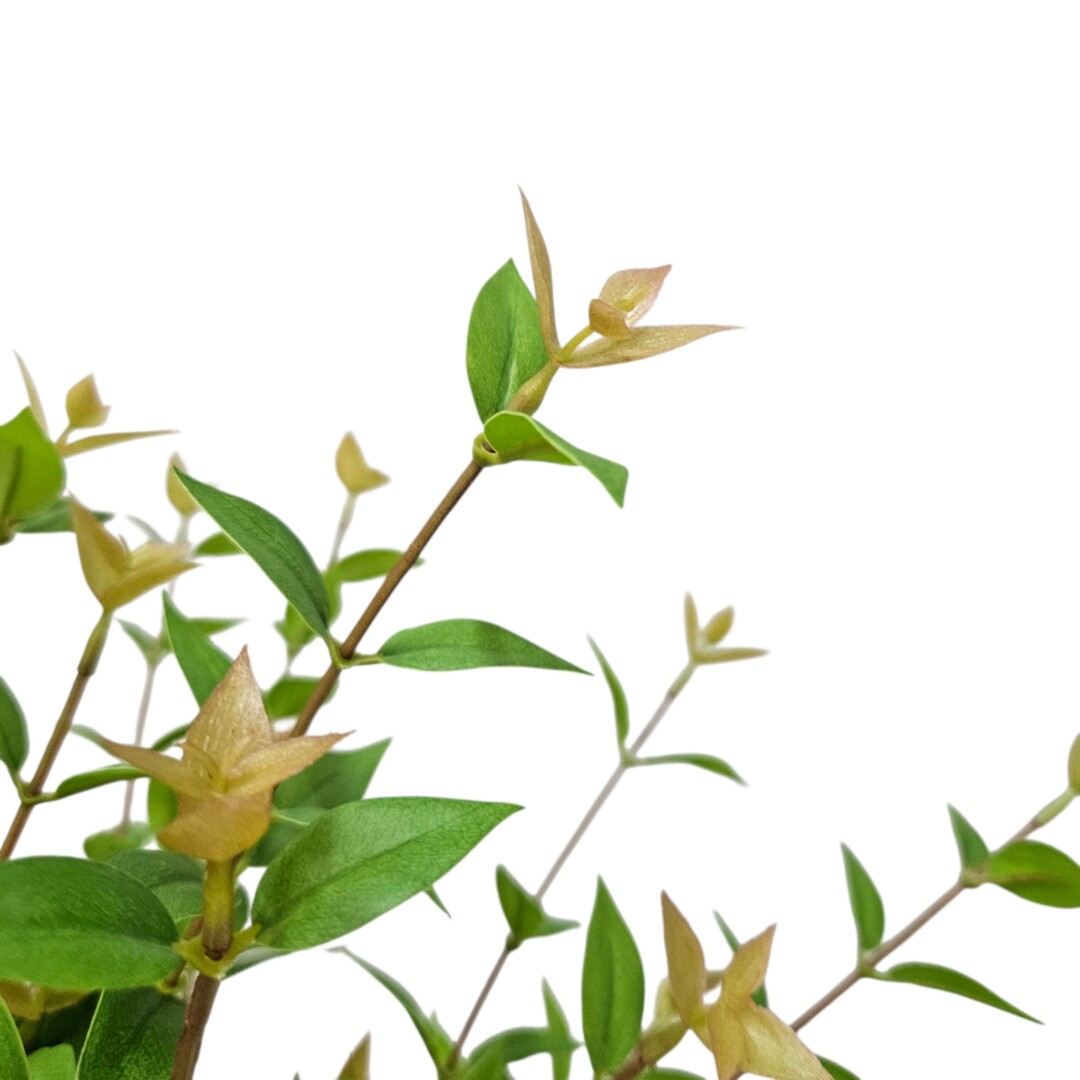
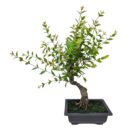
A 53cm pre-potted faux eucalyptus bonsai in a textured black vessel — silver-green multi-toned foliage on a detailed gnarled trunk that captures the aged character of traditional bonsai craft. The practical answer for buyers wanting bonsai’s Zen sculptural presence without the famously demanding daily care that real bonsai requires.
– Dimensions: 28 × 22 × 53 cm (substantial feature-piece scale)
– Material: premium multi-toned synthetic eucalyptus on detailed gnarled trunk
– Pre-potted: ready for immediate display in textured black vessel
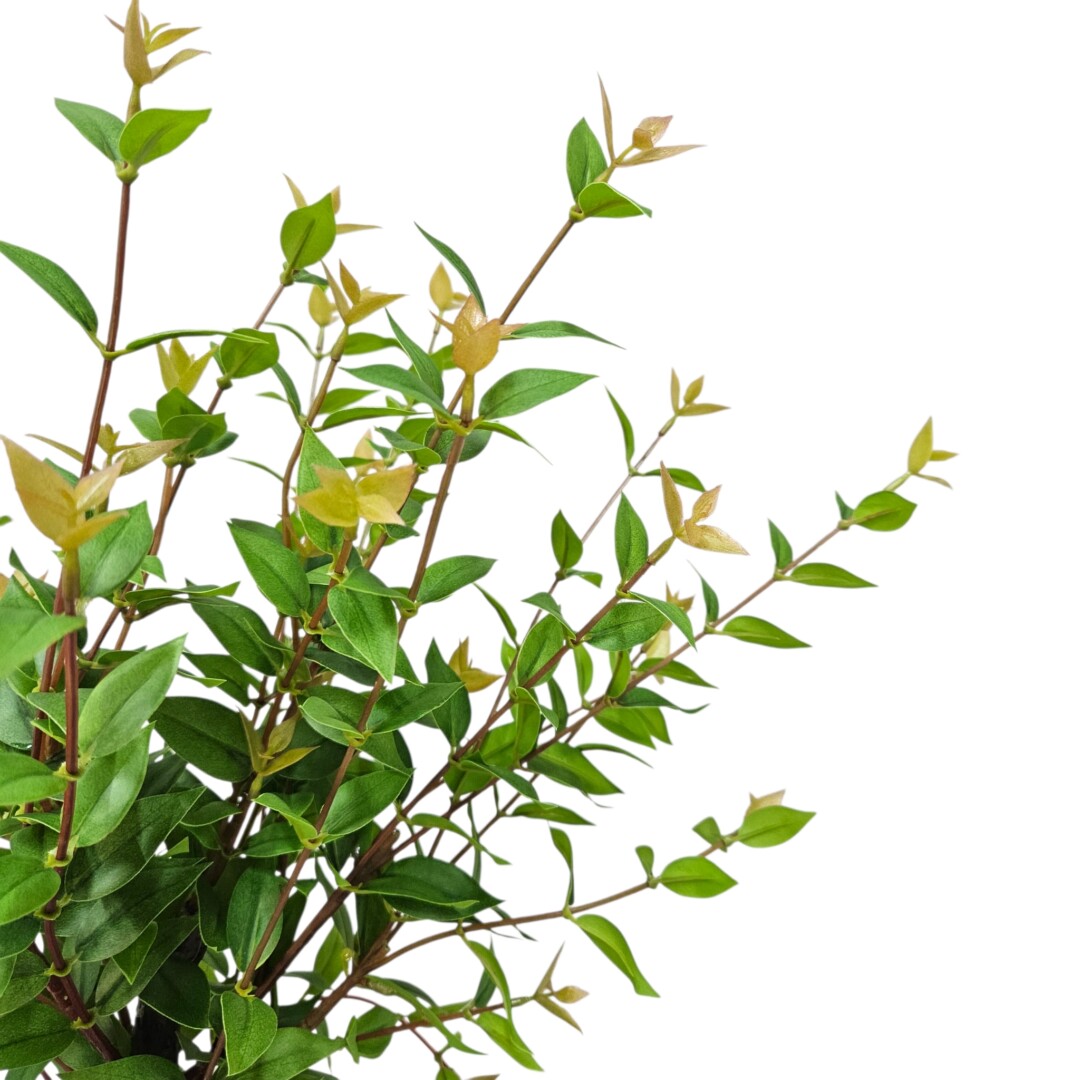
– Silver-green foliage replicating natural eucalyptus colour palette
– Suited to Modern Minimalist, Japandi, Scandi-Rustic and contemplative interiors
– Effortless year-round greenery — no pruning, no watering, no specific light requirements
- Estimated Delivery : 4 to 10 business days
A pre-potted faux eucalyptus bonsai with detailed gnarled trunk
Bonsai occupies a particular place in considered decor that’s worth thinking about carefully. Real bonsai is one of the most demanding ornamental plant traditions in horticultural practice — the trees require daily watering checks (sometimes twice daily in hot weather), specific seasonal pruning, specialised soil composition, regular wire training to shape branches, root pruning every 2-3 years, and decades of patient cultivation to achieve mature character. The art form is genuinely beautiful when properly maintained, but the maintenance burden is substantial enough that most casual buyers who acquire real bonsai end up watching the tree gradually decline as the demanding care requirements aren’t met. Premium faux bonsai exists to solve exactly this gap — buyers who appreciate the sculptural form, the Zen styling vocabulary, and the considered miniaturised-tree aesthetic, but who can’t realistically commit to the daily-care reality of authentic bonsai cultivation.
The Faux Euca Bonsai Tree delivers exactly that aesthetic appeal without the maintenance commitment. The piece measures 28 × 22 × 53 cm — substantial enough to read as a proper feature piece rather than a small accent, with the 53cm vertical scale providing genuine sculptural presence. The construction combines two carefully-considered elements: a detailed gnarled trunk that captures the aged character traditional bonsai develops over decades of cultivation, and multi-toned silver-green synthetic foliage that replicates the dusty soft-grey-green hues of living eucalyptus. The combination is genuinely distinctive — most bonsai (real or faux) uses pine, juniper, maple or ficus species; eucalyptus bonsai sits in fresher, more contemporary territory while still carrying the broader bonsai sculptural vocabulary. The pre-potted format in a textured black vessel completes the piece — ready for immediate display without requiring separate planter purchase or transplanting work.
Why bonsai-form decor sits differently from other faux plants
The choice of bonsai form (versus other faux plant formats) does specific work in a styled interior. A few things worth understanding.
Bonsai signals patience and contemplation rather than just nature reference. Most faux plants signal generic biophilic decor — bringing botanical reference into spaces where real plants would struggle. Bonsai carries additional cultural weight: the form references the Japanese tradition of miniaturised landscape art, the discipline of long-term cultivation, the contemplative quality of considered patience. For interiors leaning toward Zen, Japandi, contemplative or considered character, bonsai does work that broader faux plants can’t replicate.
The miniaturised tree form reads as sculpture as much as plant. Real bonsai is essentially living sculpture — a tree shaped over decades to achieve specific aesthetic proportions and character. The same is true of bonsai-form faux plants: the considered shaping, the deliberate trunk character, the carefully proportioned foliage all signal sculptural intent rather than generic plant decor. The piece reads as an art object that happens to take botanical form rather than as botanical reference with sculptural ambitions.
It anchors smaller surfaces beautifully where larger plants would overwhelm. Most substantial faux plants (fiddle leaf trees, palm trees, bamboo) are sized for floor placement or substantial tabletop. Bonsai’s miniaturised proportions allow the form to work on smaller surfaces (bedside tables, narrow consoles, office desks, smaller open shelving) that simply can’t accommodate typical floor plants. The 53cm scale of this piece is properly sized for tabletop placement while still reading as a substantial feature.
Why eucalyptus specifically works as the bonsai foliage
The choice of eucalyptus as the foliage species (versus traditional bonsai species) does specific decorative work. A few things worth understanding.
The silver-green palette is genuinely distinctive in faux botanical decor. Most faux plants lean into classic green tones — the deep glossy green of fiddle leaf, the bright green of generic foliage, the pale green of succulents. Eucalyptus’s distinctive silver-grey-green foliage sits in different colour territory entirely, providing a softer cooler botanical accent that reads differently from typical green plants. For interiors built around cooler palettes (greys, soft whites, pale neutrals), eucalyptus tones integrate more naturally than warmer green alternatives.
Eucalyptus carries cultural reference for SA buyers. Eucalyptus species are widely planted across South Africa (originally for forestry and windbreaks), making the foliage genuinely familiar to SA buyers from natural settings. The visual reference is recognisable rather than exotic, contributing to the piece’s authentic botanical character.
The dusty texture rewards close viewing. Eucalyptus leaves naturally carry a slight waxy bloom that gives the foliage its distinctive dusty-soft surface character. The premium synthetic materials replicate this bloom effectively, meaning the piece holds up to close inspection in a way that lower-quality faux plants typically don’t.
Where this faux euca bonsai sits best
The substantial scale and contemplative character suit specific placements within a styled home.
On a bedside pedestal as the bedroom’s quiet anchor. The most natural placement. Position on a substantial bedside table or pedestal where the bonsai becomes the considered visual moment in the bedroom’s quiet styling. The 53cm height holds proper presence without crowding lamp space or other bedside essentials. Particularly effective in bedrooms designed around Japandi, Modern Minimalist, or contemplative character.
On a home office desk as the focused-work anchor piece. Position at the corner of a substantial desk where the bonsai becomes the calming visual reference during working hours. The bonsai form specifically signals patience and considered effort — appropriate visual atmosphere for focused desk work. Particularly effective in home offices designed around minimalist or considered character rather than busy decorative styling.
On open shelving as the styled focal piece. Position on substantial open shelving (bookshelves, display units, built-in shelves) where the bonsai becomes the focal moment among books, ceramic pieces, and other curated objects. The miniaturised tree form anchors the broader shelving styling without dominating it.
In a contemplative reading corner or meditation space. For dedicated quiet spaces (reading nooks, meditation corners, contemplative spots within larger rooms), bonsai-form decor does specifically appropriate work — the sculptural plant becomes part of the contemplative atmosphere of the space rather than just decorative addition.
On a substantial console table as the entryway character anchor. Position centrally or off-centre on an entryway console where arriving visitors first encounter the home. The bonsai signals immediately that this is a considered home with patient styling rather than busy commercial decor — an effective first-impression piece for homes leaning toward contemplative aesthetic.
In a bathroom on a wide vanity or shelf for spa-quality character. Bonsai-form decor works particularly well in bathrooms designed around spa-influenced calm character. The bonsai brings botanical reference into spaces where real plants would struggle (bathroom humidity and limited light), contributing to the considered spa atmosphere.
As one of a layered Japandi or Zen styling arrangement. The piece works particularly well as the botanical anchor in a coordinated Japandi styling — paired with simple ceramic vessels, woven natural textures, considered lighting, and minimal decorative objects. The bonsai becomes the natural focal piece in such arrangements rather than competing with busier alternatives.
Caring for a faux bonsai
Dust the foliage periodically with a soft, dry cloth or feather duster — the silver-green leaves need occasional refreshing to maintain their realistic appearance over months of display. For deeper cleaning, the foliage can be wiped gently with a slightly damp cloth to remove accumulated grime. Position out of consistent direct sunlight to preserve the depth of the synthetic foliage colour over years (UV can gradually fade synthetic plant materials over extended exposure). The detailed gnarled trunk holds up well to handling but should be treated with reasonable care to preserve the textural detail. No watering, no pruning, no soil management, no seasonal repotting — the piece stays vibrant year-round with minimal attention.
| Dimensions | 28 × 22 × 53 cm |
|---|---|
| Product Assembly | No Assembly Required |