Product on sale

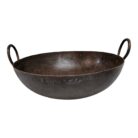
Iron Kadai Pot

Original price was: R1295.Current price is: R1100,75.

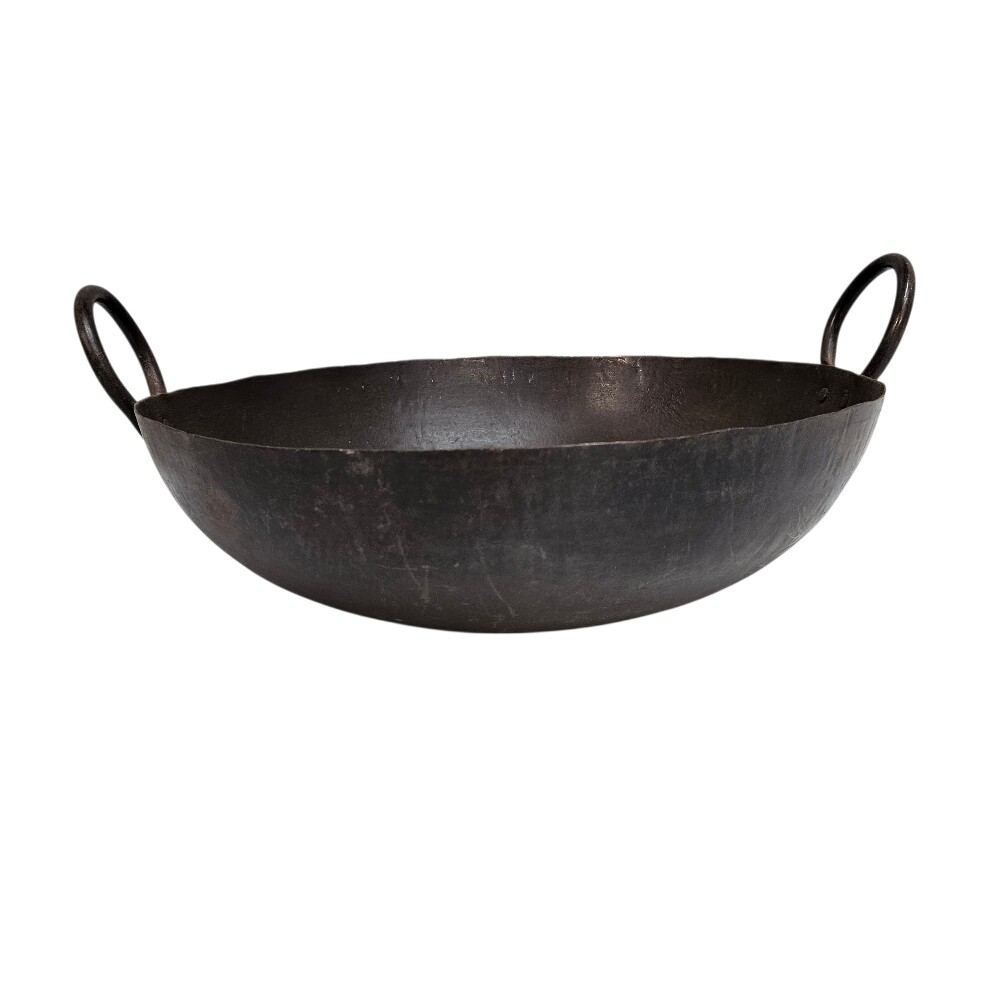
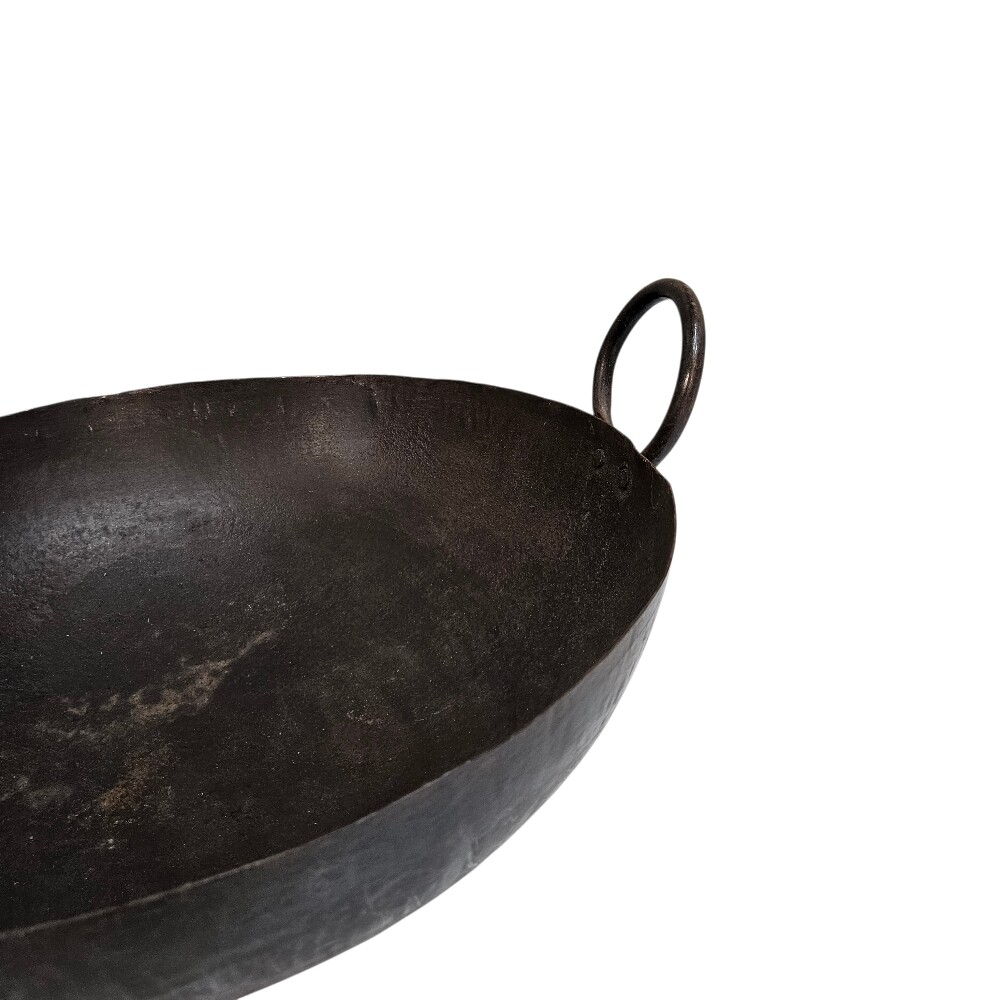
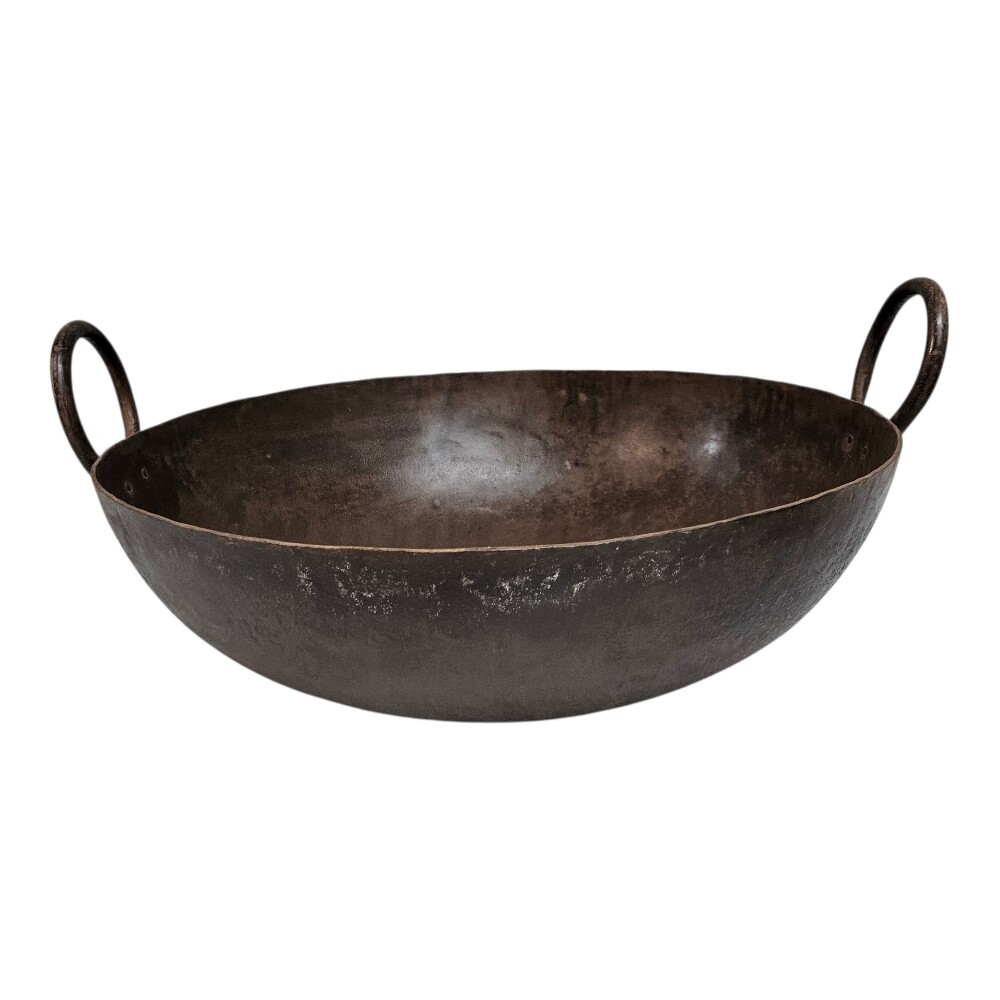
The Kadai is a heavy, round iron bowl rooted in Indian cooking tradition — hand-forged for centuries to cook over open fire, and now widely used as a garden bowl, planter, or entertaining vessel. This piece measures 60cm across with a 33cm wall, carries two oversized hand-riveted loop handles for lifting and positioning, and wears the weathered dark patina that comes naturally from the forging process.

– Dimensions: 60 × 60 × 33 cm

– Material: hand-forged iron with riveted loop handles

– Finish: weathered dark patina (natural to hand-forged iron)

– Suited to garden planters, entertaining vessels, and large indoor centrepieces

– Reads naturally in Industrial Farmhouse, Modern Boho, and considered garden schemes

7 in stock
  • Check Mark Estimated Delivery : 4 to 10 business days
  • Visa Card
  • MasterCard
  • American Express
Guaranteed Safe And Secure Checkout

A hand-forged iron bowl in the Indian Kadai tradition, sized for garden and entertaining use

A vessel does more than hold what is inside it. The right one defines the corner of a garden it sits in, anchors the centre of an outdoor table, or carries an entryway moment that smaller pieces cannot. The wrong one disappears into the surroundings — present but doing none of the work it should. With outdoor and indoor vessels, the difference comes down to scale, weight, material character and form. On each of those points, the Kadai is built for the kind of room or garden that wants its centrepiece vessel to earn its place.

The Iron Kadai Pot measures 60cm across the mouth with a 33cm wall — generous scale, suited to the kind of presence the form was built for. The construction is hand-forged iron throughout, finished in the weathered dark patina that comes naturally from the forging process. Two oversized loop handles are hand-riveted into the body, sized for two-handed lifting and stable carrying. The weight matters: the bowl stays where it is placed, holds heavy contents (soil, ice, gravel, large floral arrangements) without flexing, and reads as the heavy object it is.

The Kadai is rooted in Indian cooking tradition — the word itself is Hindi for the wok-shaped vessel used to cook over open fire, hand-forged in essentially the same shape for centuries. The form has carried into garden and decor use across global markets, where the iron bowl becomes a planter, a centrepiece, or an entertaining vessel for outdoor gatherings. This is a piece for people building outdoor entertaining spaces, considered garden schemes, or large indoor focal arrangements — the kind of vessel that does the styling work on its own.

Where a hand-forged iron Kadai sits best

The 60cm scale and the heavy weight define this piece — and the placements that suit it are different from those that suit a small decorative bowl or a lightweight planter.

As a low-profile garden planter. The most natural placement. The wide circular mouth and the 33cm depth suit generous planting arrangements — succulents grouped across the surface, trailing greenery cascading over the edge, or a single specimen plant centred in the bowl. Position on a firm garden surface (paving, deck, gravel) where the weight stays put and the planting reads as the focal moment of that corner of the garden.

On a covered patio or veranda as a beverage cooler. Fill with ice for outdoor entertaining — wine bottles, beer, sparkling water, soft drinks all sit comfortably in the deep wall. The 60cm scale handles a full party’s worth of beverages without needing a refill mid-event, and the weight prevents the bowl from shifting when guests reach in. Position on a sturdy patio table, a low garden plinth, or directly on the floor of a covered outdoor area.

On a dining table or floor as a sculptural centrepiece. Filled with decorative spheres, dried botanicals, or seasonal arrangements (autumn gourds, spring branches, summer floral) — the bowl works as the focal styling moment of a large dining surface or as a floor-positioned centrepiece in an open-plan room. The dark patina anchors the styling without competing against it.

In a generous entryway as a statement vessel. Position centrally in a large entryway as the welcoming moment — fill with coats and umbrellas in winter, throws and seasonal botanicals in warmer months, or simply leave empty as a sculptural object that signals intentionality from arrival. The scale makes the bowl an architectural moment rather than incidental decor.

Why hand-forged iron and the Kadai form work together

Two design choices on this piece — the hand-forged iron construction and the traditional Kadai form — do specific work that a moulded or machine-pressed alternative cannot.

Hand-forged iron carries weight that machine-pressed alternatives cannot. Most contemporary “iron” decorative bowls are pressed from thin sheet metal — light to handle, easy to ship, and visually similar from a distance. Hand-forged iron is built differently: the metal is shaped while hot through hammered work, building wall thickness and weight into the finished piece. That weight is part of why the bowl stays put, holds heavy contents, and reads as a substantial object. Lifting a hand-forged Kadai and lifting a pressed-sheet alternative are entirely different physical experiences.

The traditional Kadai form is built for use, not pure decoration. The deep round bowl, the sloping sides, the oversized loop handles — every aspect of the form was developed for cooking over open fire, where volume, heat tolerance, and portability all mattered. The form has carried into garden and decor use because the same proportions that worked for cooking also work for planting, entertaining and styling. A decorative bowl shaped purely for aesthetics rarely has the proportions that make the Kadai genuinely useful.

The weathered patina ages rather than degrades. Painted or coated metal finishes fail visibly over time — paint chips, coatings flake, surface character degrades. Hand-forged iron with natural patina behaves differently: the surface continues to evolve gradually with exposure, deepening in character rather than degrading in appearance. The patina is the metal protecting itself, and the surface improves with use rather than declining.

Caring for hand-forged iron

Hand-forged iron is durable for long-term ownership, but the right care approach maintains character over the years.

Wipe with a soft dry cloth to remove dust. The patina is the finish — avoid abrasive cleaners and harsh chemicals, which will strip it. For outdoor use, expect the patina to evolve gradually with weather exposure; this is part of how hand-forged iron ages and is generally a feature rather than a fault. To slow rust development in high-rainfall conditions, apply a light coat of food-grade mineral oil or beeswax twice yearly — this slows rust without altering the weathered character.

If used as a planter, line with plastic or use a separate inner pot to prevent prolonged soil moisture against the iron. Sustained moisture against bare iron accelerates rust through the bowl floor over time; lining provides the protection that preserves structural longevity.

Position out of consistent direct sunlight where possible — sustained UV exposure can gradually dry out the patina depth over years. Properly positioned and given this minimal care, a hand-forged Kadai becomes one of those pieces that holds its character for decades — a permanent feature of the garden or room rather than a decor accessory that gets replaced.

Dimensions 60 × 33 cm
Finish

Natural dark patina (uncoated)

Indoor / Outdoor

Indoor or covered outdoor

Origin

India

Style Match

Industrial Farmhouse, Modern Boho

SKU

KMH9098

FAQ

Is each Kadai identical?
No. The bowl is hand-forged, so the patina depth, handle riveting, and slight asymmetries vary between pieces. The base form is consistent; the individual character is not.

Will the iron rust if used outdoors?
Hand-forged iron will gradually rust under sustained moisture exposure. The weathered patina already on the surface is part of how the metal protects itself; in covered outdoor positions (verandas, sheltered patios) the bowl ages slowly and gracefully. In fully exposed positions with high rainfall, a light annual coat of mineral oil or beeswax slows rust development considerably.

Can I use it as a planter directly, or does it need a liner?
Both work. For occasional planting and dry decorative use, soil can sit directly in the bowl. For sustained planting where soil stays consistently damp, line with plastic or use a separate inner pot — prolonged moisture against bare iron accelerates rust through the bowl floor.

How heavy is it?
Heavy enough that two people make the work easier when positioning. The weight is part of why the bowl stays put once placed — it doesn't shift in wind, doesn't tip when filled, doesn't move under accidental contact.