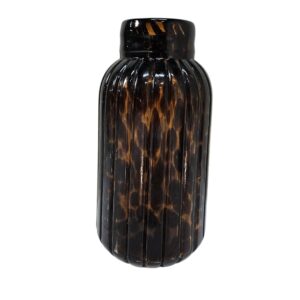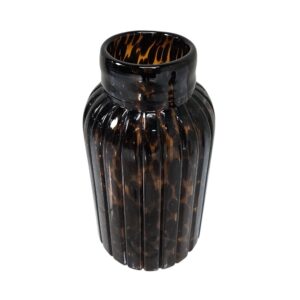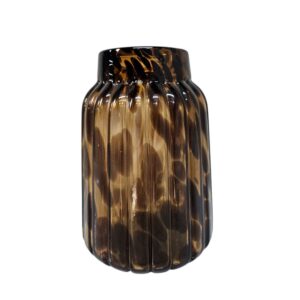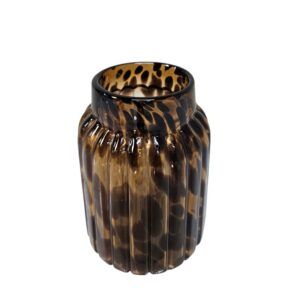
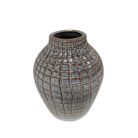
Lovis Ceramic Vase
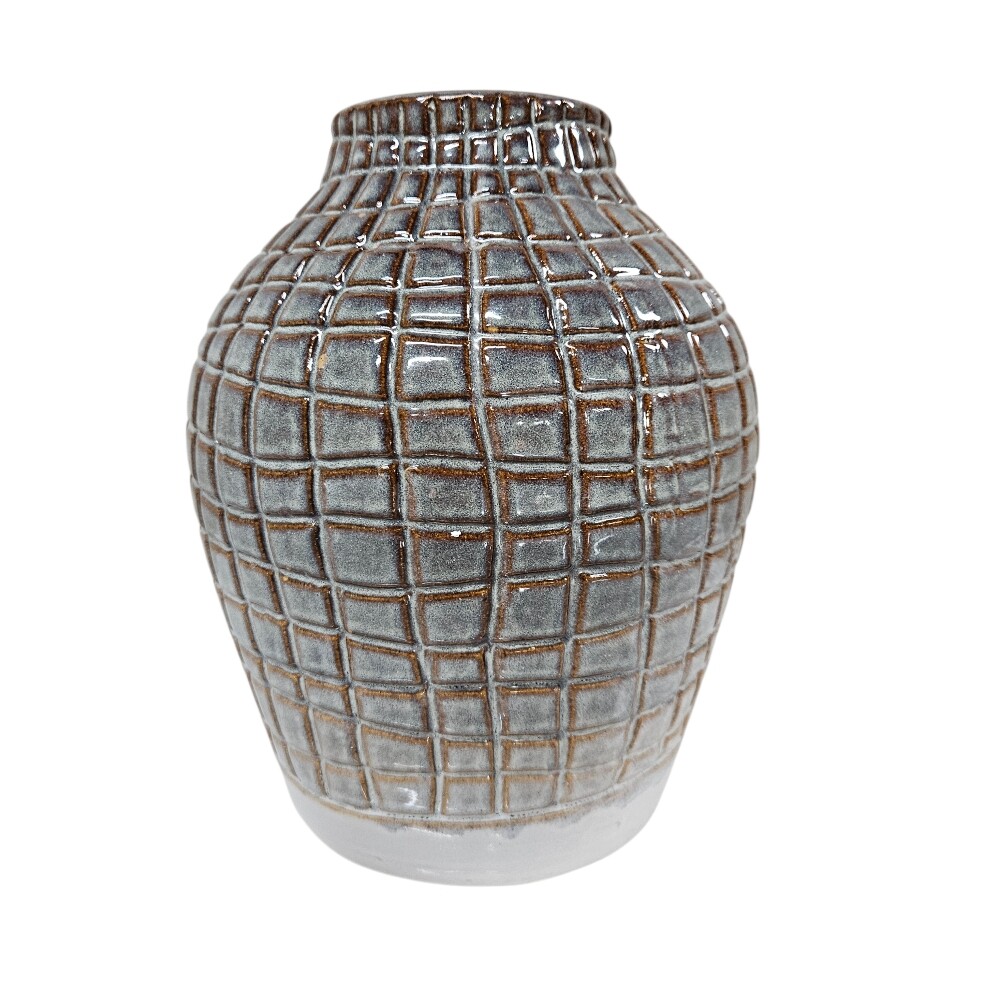
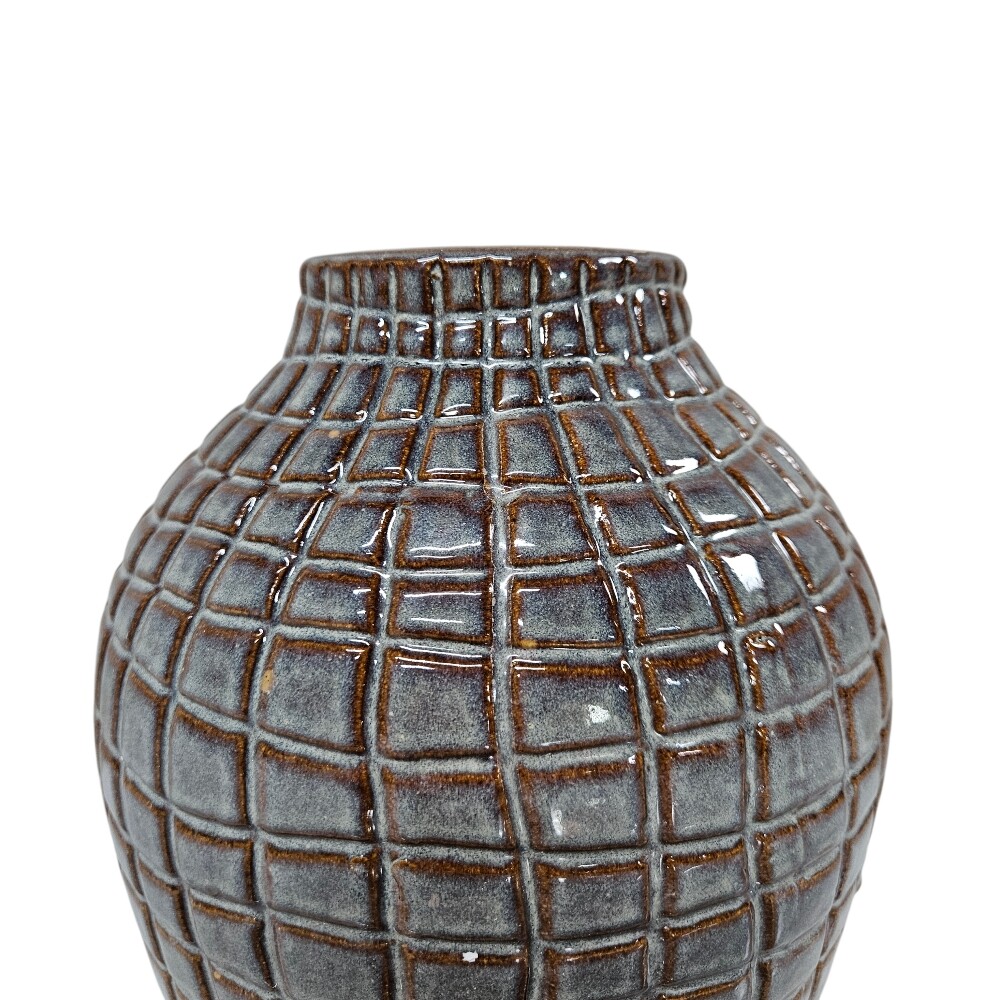
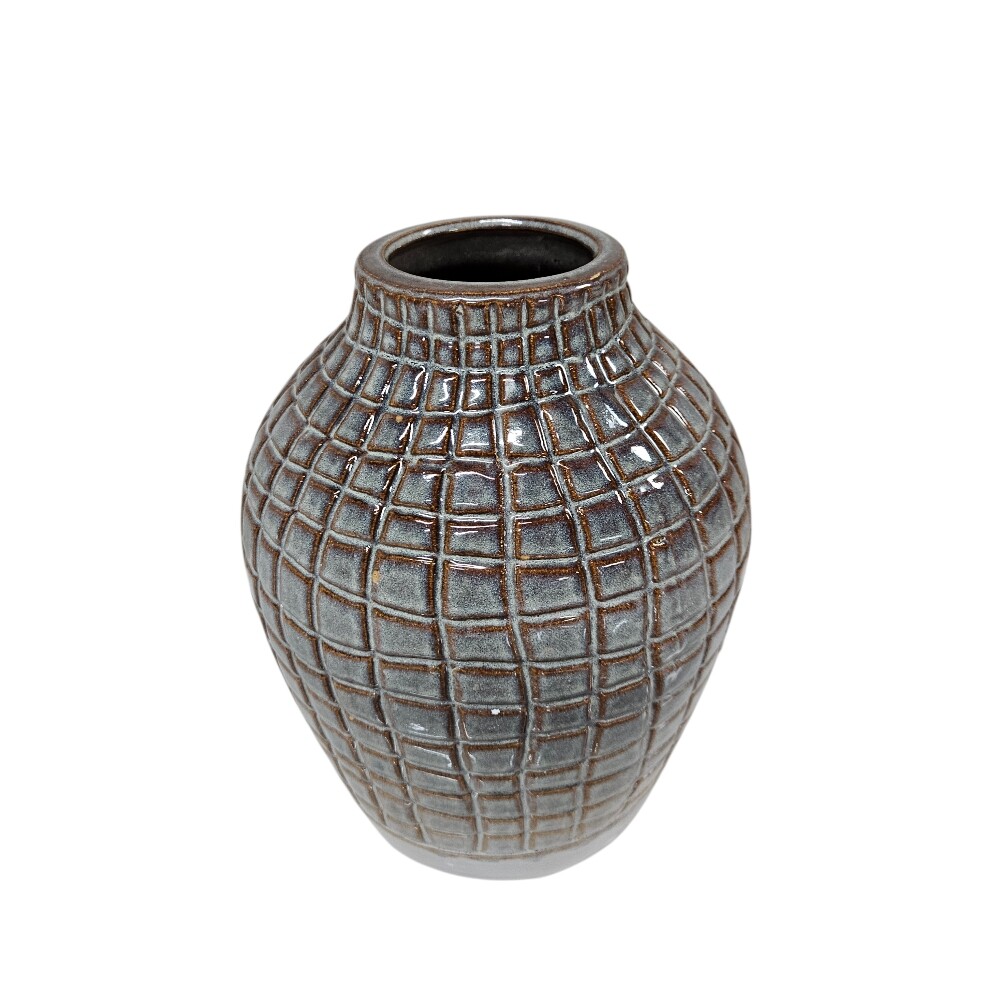
A textural ceramic vase with a deep-etched grid pattern and reactive olive-grey glaze — the kind of variable, hand-finished surface where no two pieces are exactly alike. Sculptural enough to stand on its own, generous enough to hold a substantial bouquet of dried botanicals or fresh stems.
– Dimensions: 22 × 22 × 27 cm (W × D × H)
– Hand-glazed ceramic with deep-etched grid pattern
– Reactive olive-grey glaze with multi-tonal variation
– Substantial squat proportions for tabletop or shelf display
– Suited to modern, organic and contemporary interiors
– Works with dried botanicals, fresh stems or as a standalone sculpture
- Estimated Delivery : 4 to 10 business days
A textural ceramic vase with a deep-etched grid and reactive olive-grey glaze
Glass vases catch and refract light. Ceramic vases do something quite different — they hold their colour, absorb their surroundings, and bring genuine material weight to a tabletop or shelf. Where a glass vase is about the play of light through transparent walls, a ceramic vase is about the surface itself: the texture, the glaze, the way the colour sits against natural light through the day. The two materials suit different rooms and different moods, and in homes already shaped around natural materials — wood, stone, linen — a ceramic vase often sits more comfortably than its glass counterpart. It is part of the same conversation rather than a contrasting note.
The Lovis Ceramic Vase is built around exactly that kind of considered material presence. It is hand-glazed in a reactive olive-grey finish — the kind of glaze where the colour shifts subtly across the surface, with hand-finished highs and lows that read as genuinely crafted rather than uniformly produced. The body of the vase is decorated with a deep-etched grid pattern that catches light and shadow across the texture, giving the piece a tactile, sculptural character even when empty. Standing 27 cm tall on a substantial 22 × 22 cm base, the proportions are squat and grounded — designed to hold their place on a console or shelf without needing flowers to justify the space.
The character of reactive ceramic glaze
The glaze is the genuinely interesting part of this piece. Three things about reactive ceramic finishes are worth understanding.
No two pieces are exactly identical. Reactive glazes shift in unpredictable ways during firing — the chemistry of the glaze responds to the kiln temperature, the position of the piece, and the particular conditions of each firing batch. The result is variation across the surface within a single piece, and variation between pieces from the same production run. The Lovis vase you receive will share the same olive-grey character as the photographed example, but the exact distribution of darker and lighter zones, the precise pattern of the surface mottling, will be unique to your piece.
The colour is more complex than a single tone. “Olive-grey” is a useful shorthand, but the actual glaze contains hints of warmer green, cooler grey, soft brown, and occasional darker pooled spots where the reactive elements have settled. In strong natural light, the warmer tones come forward. In softer evening light, the cooler greys dominate. Across the day, the same vase reads slightly differently — which is part of what makes reactive glazes more visually interesting than uniform machine-applied finishes.
The deep-etched grid is part of how the glaze settles. The grid pattern carved into the ceramic surface gives the glaze somewhere to pool — slightly thicker in the etched grooves, slightly thinner on the raised sections. The result is a piece with genuine depth and tactile interest, where running a hand across the surface reveals texture you cannot see from a straight-on view.
Where a textural ceramic vase sits best
The substantial proportions and earthy palette suit specific placements within a styled home.
On a console or sideboard as a sculptural anchor. The most natural placement. Positioned on a console table or sideboard, the Lovis reads as an intentional decor object — particularly when filled with a generous arrangement of dried pampas grass, eucalyptus, or other tall botanical stems. The squat proportions provide the visual weight to balance taller vertical stems above.
On a coffee table for tabletop styling. The 27 cm height sits comfortably on a coffee table without obstructing sight lines across the room. Use the Lovis with a few short-stemmed flowers, a single sculptural branch, or a small dried arrangement — or leave it empty as a standalone tabletop sculpture alongside books, ceramics or candles.
On open shelving as a styled vessel. Built-in shelves, freestanding bookcases and floating shelves all benefit from a substantial decor piece that holds its place visually. The Lovis works particularly well grouped with books on adjacent shelves — the ceramic texture contrasts with the smooth book spines and the etched grid catches light differently as natural sunlight moves across the room.
On a dining table as a quiet centrepiece. Where ornate centrepieces dominate the table and prevent conversation across it, the Lovis at 27 cm is sized to be present without obstructing sight lines between guests. Filled with a low arrangement of seasonal stems or left empty as a sculptural piece, it works for everyday meals and entertaining alike.
In a bedroom on a chest or dresser. The earthy palette pairs beautifully with natural-toned bedroom furniture. Position on a chest of drawers or dresser as a small sculptural decor moment, with a single stem or a small bouquet to soften the room.
What to pair the Lovis vase with
The earthy olive-grey palette and substantial scale set up specific pairings across the Sotran range.
With other Pots & Vases pieces. Build a curated grouping with other vessels from the Pots & Vases range — varying heights, materials and textures create a layered styled arrangement rather than a single isolated piece. The ceramic Lovis paired with a glass or wooden vessel of different proportions reads as a collected vignette rather than a matched set.
With dried or faux botanicals. The vase looks particularly well with substantial dried stems — pampas grass, dried eucalyptus, wheat, or feature branches. Browse the Artificial Plants range for high-quality faux stems that bring the look of fresh florals without the maintenance — particularly useful for a vase intended as a year-round decor piece rather than a fresh-flower vessel.
On a Sotran console or sideboard. Position the Lovis on a piece from the Sideboards & Consoles range, paired with a piece from the Wall Mirrors range above. The combination of console, mirror and substantial ceramic vessel creates a complete styling moment for an entryway or living room.
With other grey-toned and earthy decor. The olive-grey glaze ties naturally to other pieces in the Grey Furniture and Decor range. Cross-styling with grey accents elsewhere in the room — cushions, throws, framed art, lamp shades — builds a coherent palette rather than an isolated colour moment.
With natural-fibre baskets and textiles. The earthy ceramic character pairs comfortably with pieces from the Baskets range and the broader Textiles range. The shared organic-material vocabulary — ceramic, woven fibre, natural cotton — builds a layered, considered scheme.
In a Modern Tropical or organic-leaning room. Browse the Modern Tropical tag for pieces that share the organic, earthy aesthetic — natural wood, woven fibre, ceramic, terracotta. The Lovis sits comfortably as part of that broader styling vocabulary.
Caring for a hand-glazed ceramic vase
One of the genuine pleasures of a quality ceramic piece is how easily it stays looking its best for the long term. The Lovis is built for years of display and only asks for the lightest care to keep its character intact. Dust regularly with a soft, dry cloth — the smooth glazed surface wipes clean effortlessly. The deep-etched grid pattern occasionally collects a little dust in the grooves, which is easily lifted with a soft-bristle brush when needed.
For deeper cleaning, hand-wash the vase with warm (not hot) water and a small amount of mild dish soap. The reactive glaze holds up beautifully to gentle cleaning. Dry immediately with a soft cloth to maintain the depth of the surface tones. Skip the dishwasher — heat and detergents can dull the reactive glaze finish over time, and the mechanical movement risks chipping the etched edges.
If using the vase regularly with fresh flowers, change the water every two to three days and rinse the inside thoroughly when refilling. For periodic deeper cleaning of any internal residue, a few effervescent denture-cleaning tablets dissolved in warm water and left in the vase overnight clear mineral deposits without scrubbing. Position the vase out of prolonged direct sunlight to preserve the depth of the olive-grey glaze over the years. With this minimal care, a hand-glazed reactive ceramic vase becomes one of those quietly characterful pieces that earns its place in a home for the long term.
| Dimensions | 22 × 27 cm |
|---|