Product on sale

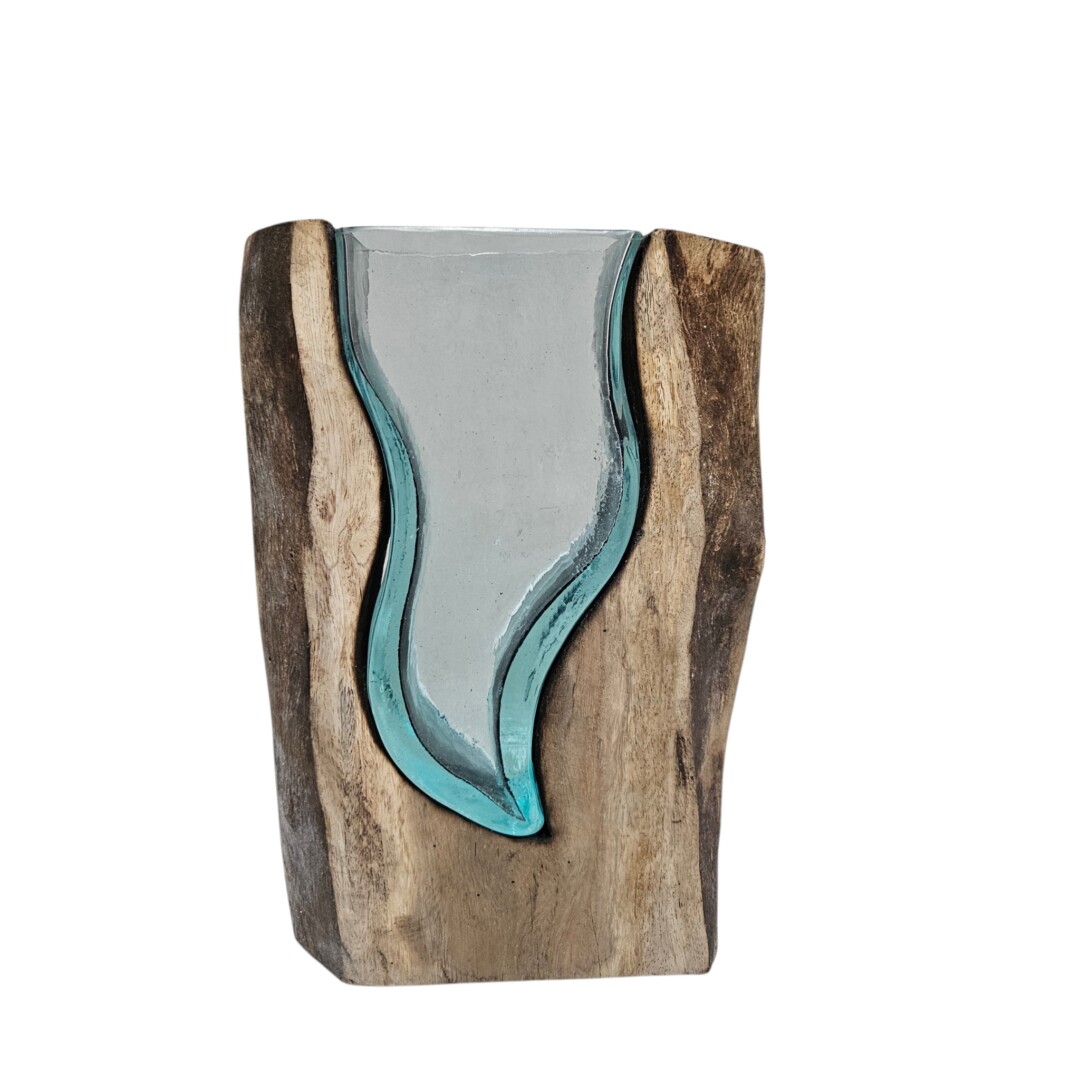
Glass Vase Waterfall 30cm

Original price was: R1495.Current price is: R1270,75.

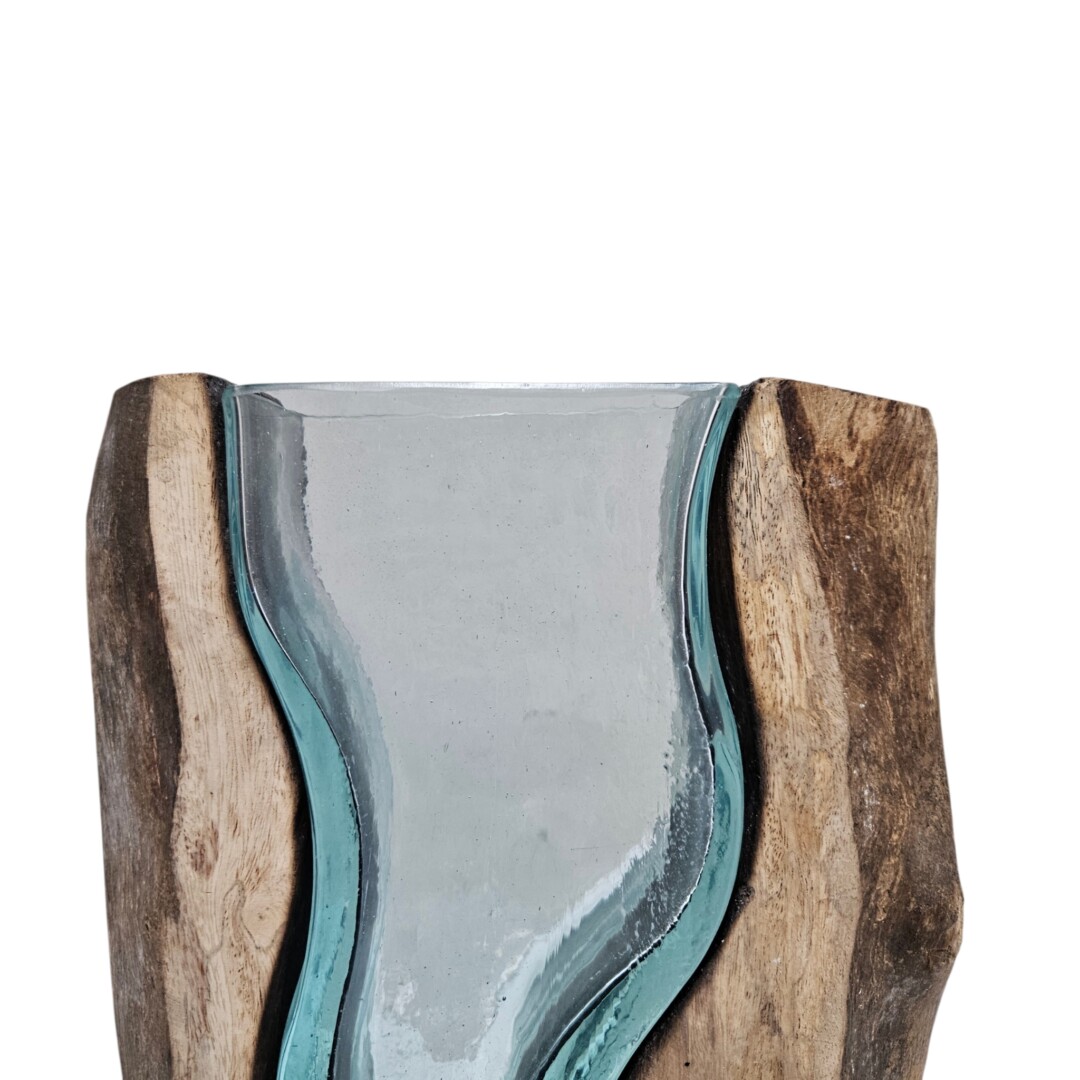
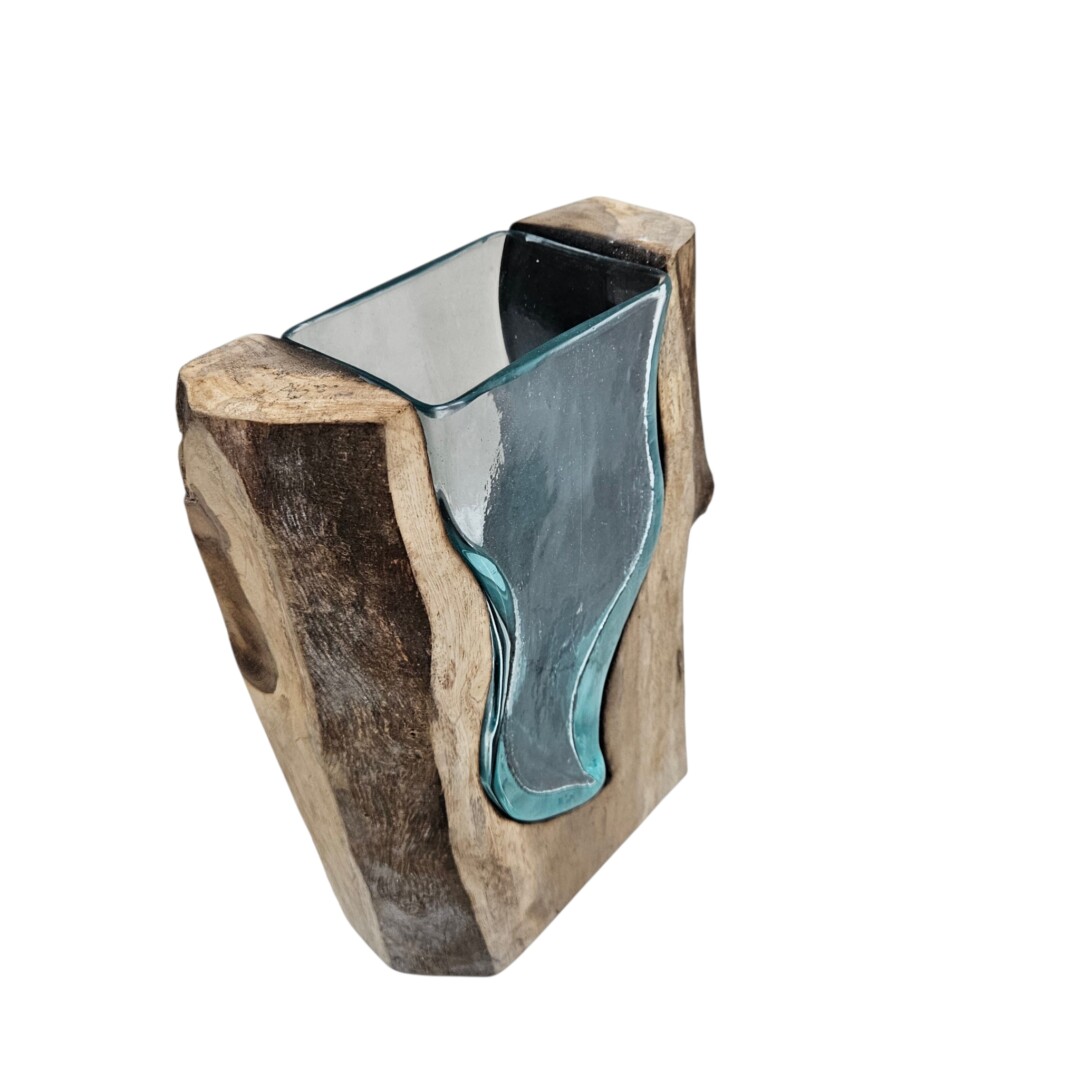
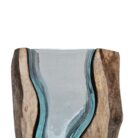
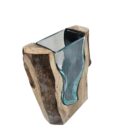
A hand-blown blue glass vase with a sculptural waterfall rim, mounted on a natural wooden base. The narrow 20 × 8 cm footprint sits comfortably on slim consoles, sideboards or mantel shelves where a wider vase would dominate.

– Dimensions: 20 × 8 × 30 cm (W × D × H)
– Hand-blown blue-tinted glass with sculptural undulating rim
– Mounted on a natural wooden base
– Slim footprint suited to narrow surfaces
– Reads as sculpture with or without flowers

17 in stock
  • Check Mark Estimated Delivery : 4 to 10 business days
  • Visa Card
  • MasterCard
  • American Express
Guaranteed Safe And Secure Checkout

A hand-blown blue glass waterfall vase mounted on a natural wooden base

Most vases are vessels first and decorative objects second. The shape exists primarily to hold flowers, and any styling on the form is secondary to that function. A waterfall vase reverses that priority. The rim is sculpted into a fluted, undulating profile that visually mimics the suspended motion of falling water — and that profile is the whole point of the piece. With flowers in it, the vase frames a bouquet beautifully. Without flowers, it stands on its own as a piece of sculptural glass. Few vases genuinely earn their place when empty. This kind does.

The Glass Waterfall Vase stands at 30 cm tall on a slim 20 × 8 cm footprint, sized for narrow consoles, mantel shelves or sideboards where a wider vase would dominate the surface. The hand-blown blue-tinted glass is paired with a natural wooden base, the two materials playing off each other — the wood grounds the piece visually, the cool blue glass catches and refracts light from above. The hand-blown construction means each piece carries small variations in the curve and rhythm of the rim, which is part of what separates a hand-blown vase from a moulded one: no two are identical.

The character of blue glass on a wooden base

Three things about this material pairing are worth understanding.

The blue tint changes how the vase reads in different light. Where clear glass disappears in bright light and only really announces itself with directional lighting, blue glass holds its own all day. In morning sun the colour reads cool and crystalline. In evening lamp-light it deepens to something closer to ocean or twilight tones. Through the day, the same vase carries a different mood — which is part of why coloured hand-blown glass is more visually interesting than its clear equivalent over time.

The wooden base is structural, not decorative. A glass vase on its own can feel weightless and impermanent on a wooden console. Mounting the glass on a matching wooden base does two things: it grounds the piece visually so it reads as anchored rather than placed, and it creates a gentle material conversation between the vase and the surface beneath it. The wood echoes whatever console or sideboard the vase sits on, while the blue glass above adds the colour and light play.

The narrow footprint suits surfaces that wider vases overwhelm. At just 20 × 8 cm at the base, this vase sits comfortably on slim consoles, narrow shelves, mantelpieces and the corner of a sideboard — places where a chunkier vase would crowd the surface. The vertical 30 cm height gives it visual presence without taking up much horizontal space, which is exactly the right proportion for a piece designed to share a surface with other decor objects rather than dominate it.

What to pair a waterfall vase with

A sculptural glass vase reads best when the surrounding styling supports rather than competes with the form. There are pieces in the Sotran range that pair naturally.

On a Sotran console table. The vase sits beautifully on the Teak Zen Console Table, a teak root console, or any of our sideboards and consoles. The warm wood of the console picks up on the wooden base of the vase, while the blue glass adds a cool counterpoint to the warm timber tones — a deliberate material conversation rather than a generic decor placement.

With other glass-on-wood pieces. Our Square Glass Vase on Wood and other pieces from the Glass on Wood range share the same material vocabulary. Grouped together at varying heights on a long console or sideboard, they form a coherent sculptural arrangement. The blue waterfall vase becomes the vertical accent in that grouping.

With a single sculptural stem. The narrow form looks particularly well with a single statement stem rather than a tight cluster of flowers — a tall pampas grass plume, an orchid stem, a single branch of magnolia or fynbos. A Faux White Orchid or other piece from our artificial plants range gives the same effect without the maintenance of fresh florals.

Beneath ambient or directional lighting. The vase rewards being lit. Position it where light from a window catches it during the day, or near one of our floor lamps or bedside lamps in the evening. The blue glass shifts noticeably between natural and artificial light, and the waterfall rim only earns its full visual effect when there is light to catch.

Caring for hand-blown glass

Hand-blown glass is more delicate than industrial moulded glass — the variations in thickness that give each piece its character also mean a slightly more careful hand is required when cleaning and moving it. For routine care, dust regularly with a soft microfibre cloth or a soft-bristle brush. The blue glass shows fingerprints and dust slightly less obviously than clear glass, but weekly attention still keeps the piece looking its sharpest.

For deeper cleaning, hand-wash the glass portion with warm (not hot) water and a small amount of mild dish soap. Dry immediately with a soft, lint-free cloth to prevent water marks. Avoid the dishwasher — the heat and detergents can dull hand-blown glass over time, and the mechanical movement risks chips along the delicate waterfall rim. Avoid harsh chemical cleaners and abrasive scourers, which can scratch the glass and damage the wooden base.

The wooden base should be dusted with a dry cloth and wiped only occasionally with a barely damp cloth — never saturate the wood. A light application of natural furniture wax once a year keeps the base looking its best. If the vase is used regularly with fresh flowers, change the water every two to three days and rinse the inside thoroughly when refilling — standing flower water leaves a cloudy mineral residue that is difficult to remove once it sets. For periodic deeper cleaning of any internal residue, a few effervescent denture-cleaning tablets dissolved in warm water and left in the vase overnight clears mineral deposits without scrubbing. Treated this way, hand-blown glass holds its clarity for many years.

Dimensions 20 × 8 × 30 cm