The Silent Statement: The Philosophy of the Forever Piece
The silent statement: the quiet confidence of a forever piece. The loudest piece in a home is rarely the one people remember. A guide to choosing furniture that ages into character — not out of it. The loudest piece in a home is rarely the one people remember. Most of the time, it’s the quiet…
The loudest piece in a home is rarely the one people remember. Most of the time, it’s the quiet one.
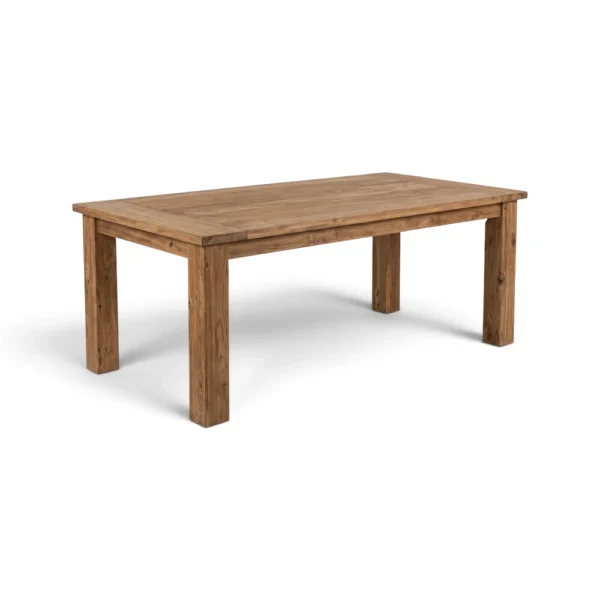
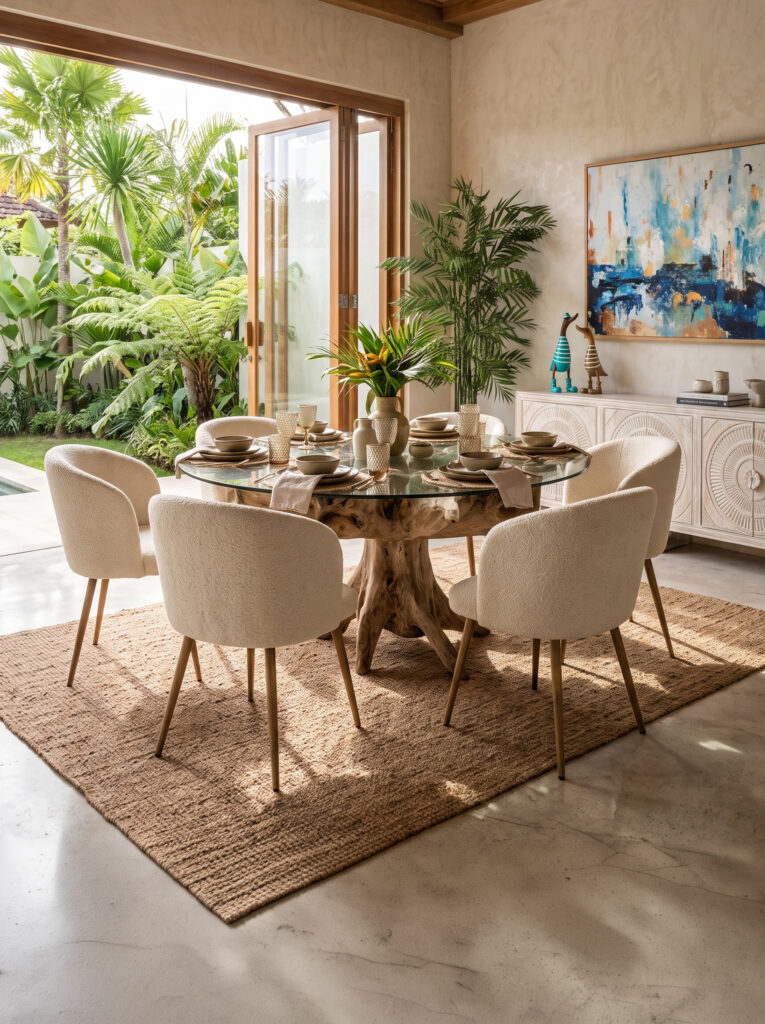
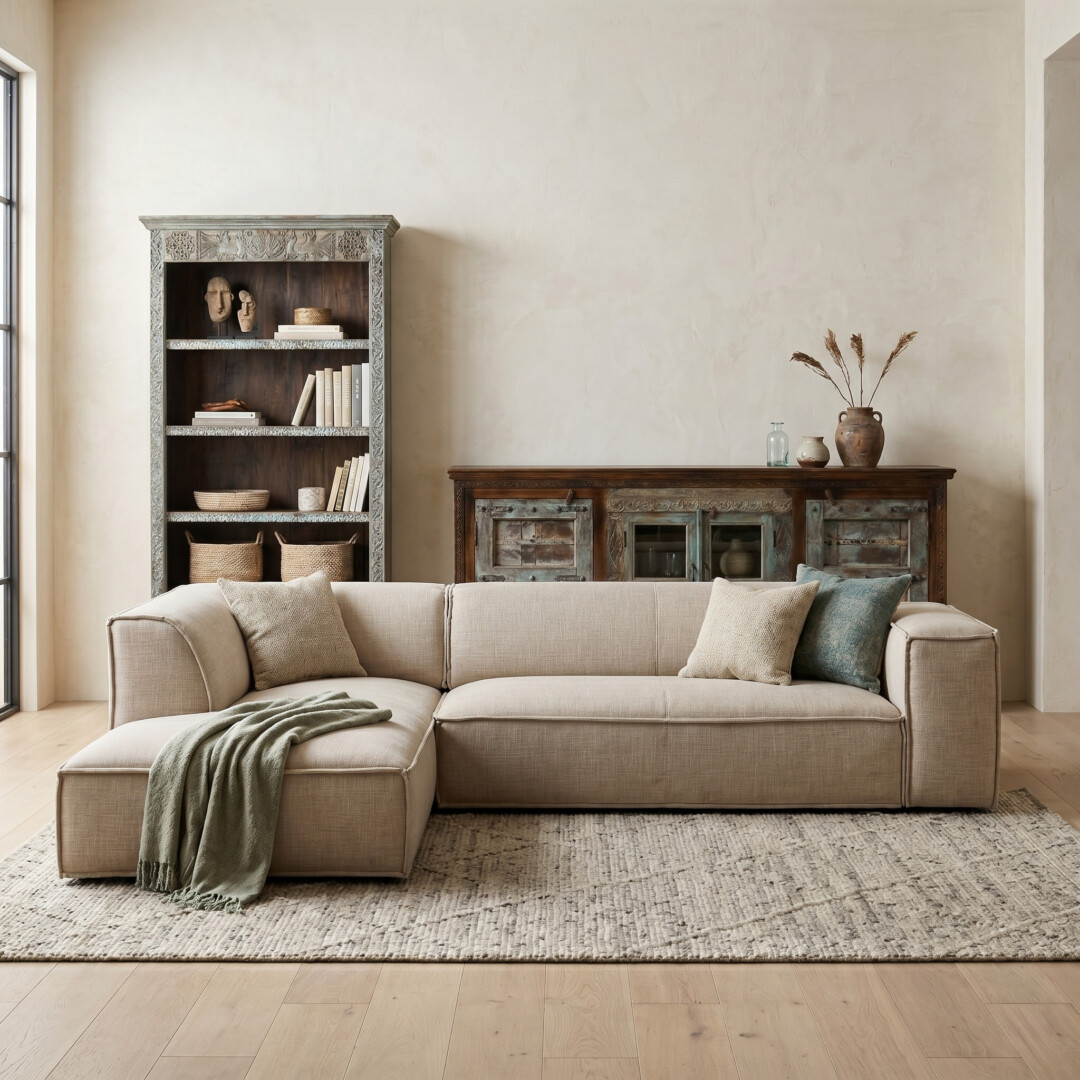
The dining table the family eats around for twenty years. The sideboard that has carried three different paint colours behind it and still looks right. The couch that has been recovered twice but has never been replaced. These aren’t the pieces the catalogue is built around. They’re the pieces that hold the home together while the catalogue keeps changing.
In an era of fast furniture and disposable design, the most powerful statement you can make in your home is a piece that doesn’t need to make one. A forever piece. Not a trend. Not a season. Not a hashtag. A piece you choose once, live with for years, and never quite want to replace.
At Sotran, this is the conversation that runs underneath almost every serious purchase a client makes. The brief begins as a dining table or a sideboard or a couch, and the question that quietly shapes the decision is the longer one. Will this still be the right piece in ten years? Will it still earn its place? That’s a different question to ask of furniture — and it changes how you choose.
What a forever piece actually is.
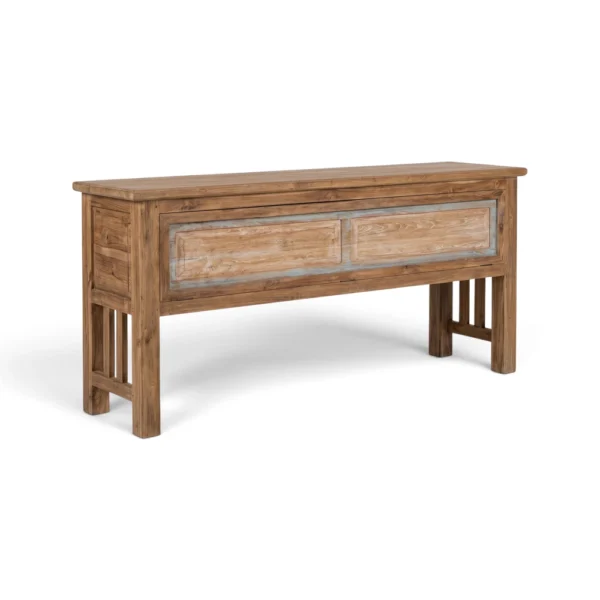
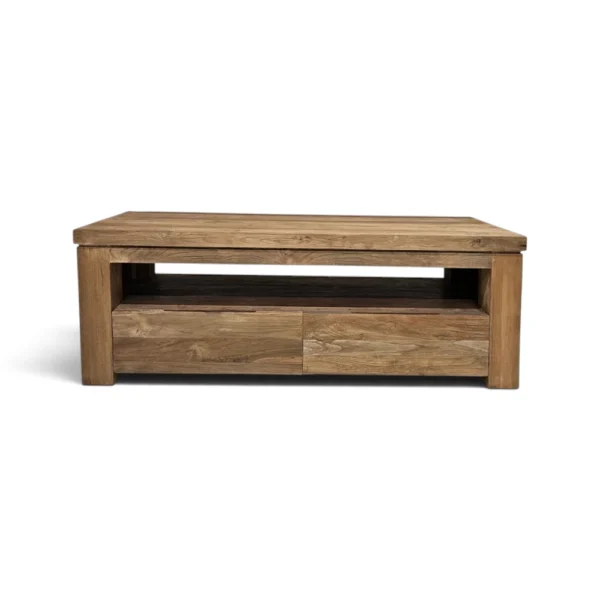
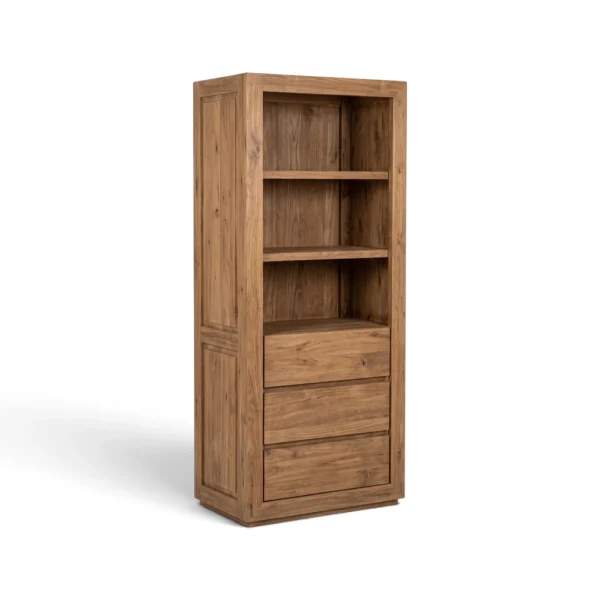
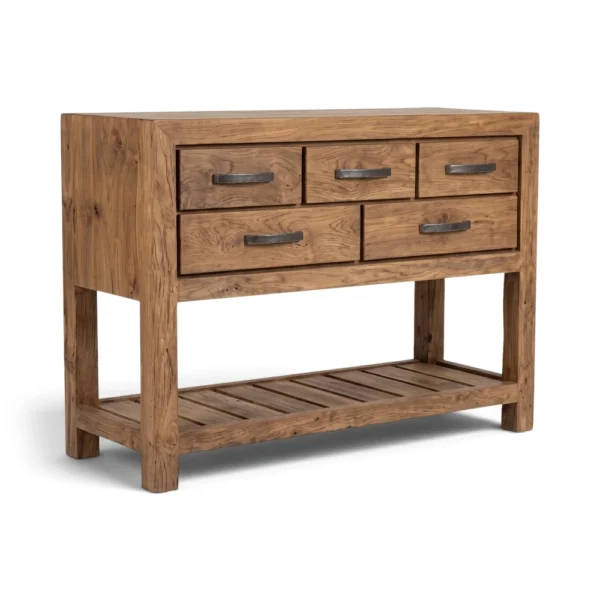
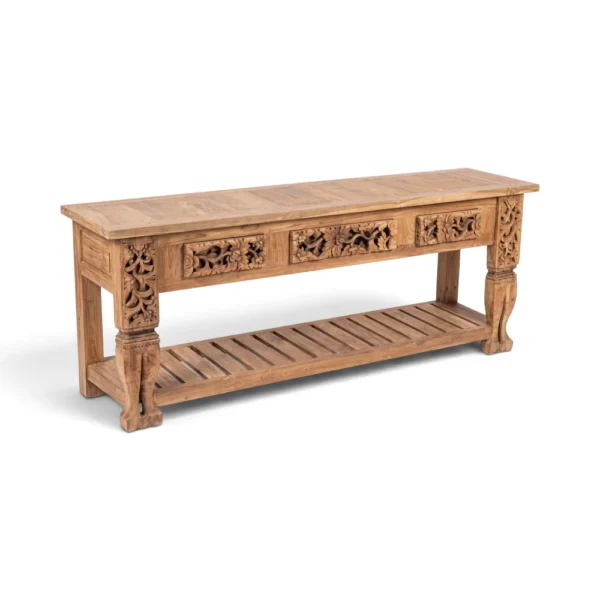
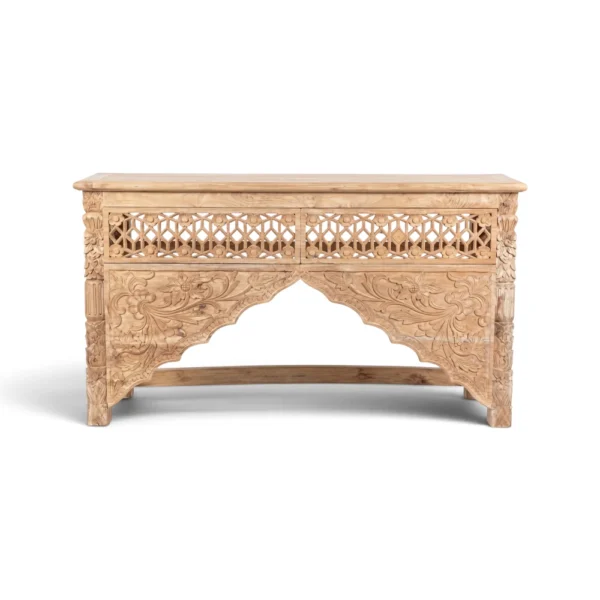
The forever piece isn’t defined by price, and it isn’t defined by style. It’s defined by material, craftsmanship and the way it ages. A table that develops a patina rather than a wear pattern. A couch that softens into the body rather than collapsing under it. A sideboard whose timber gets richer rather than tired. These are pieces that improve with time, instead of fading under it.
That’s the quiet test. If you can imagine the piece looking better in a decade than it does on delivery day, it’s probably a forever piece. If you can’t, it’s something else. That distinction matters more than most people realise, because it changes the maths of buying furniture. A piece chosen well is rarely expensive in the long run. A piece chosen casually is almost always expensive in the long run — because you end up buying it twice, or three times, or quietly replacing it every few years.
Provenance is part of the piece.
The other quiet shift in how serious homes are being furnished is a return to traceability. The question is not only what the piece looks like, but where the material comes from and what it cost the world to produce. That isn’t a marketing point — it’s a real change in how the most considered clients think about buying.
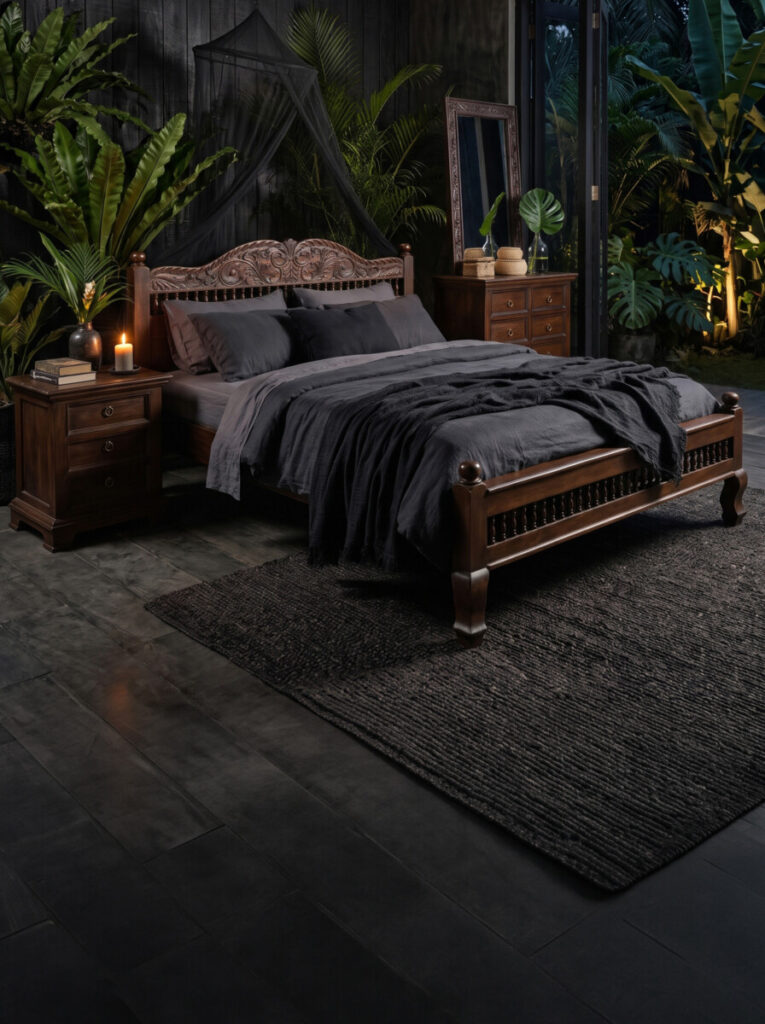
The timber in the Sotran range is sourced from carefully managed plantations in Java and the volcanic regions of Sumatra, using non-indigenous species such as teak and mahogany. That sourcing supports sustainability while helping protect the rainforests of Borneo and Sumatra from the kind of pressure indigenous-species harvesting puts on them. It’s also part of what gives the pieces their character — plantation teak grown in volcanic soil reads differently to teak harvested from struggling forests, and you can feel the difference under your hand. A forever piece earns its place partly because the material it’s made from has a story you’d be happy to tell.
Why no two pieces are the same.
Mass production creates pieces that look like each other. Solid timber does not. The bold grain of suarwood — also known as rain tree — runs differently across every slab. The intricate patterns of mango wood vary from one tree to the next. Even the same species from the same plantation will read with different colour, different grain direction and different character depending on the specific piece of wood the craftsman chose.
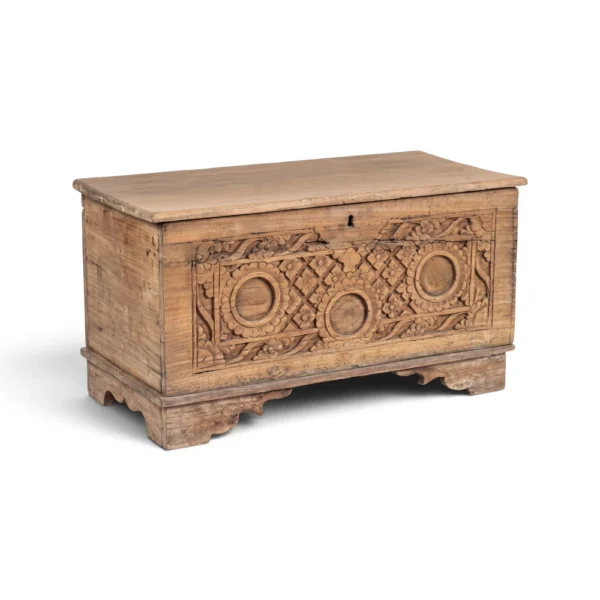
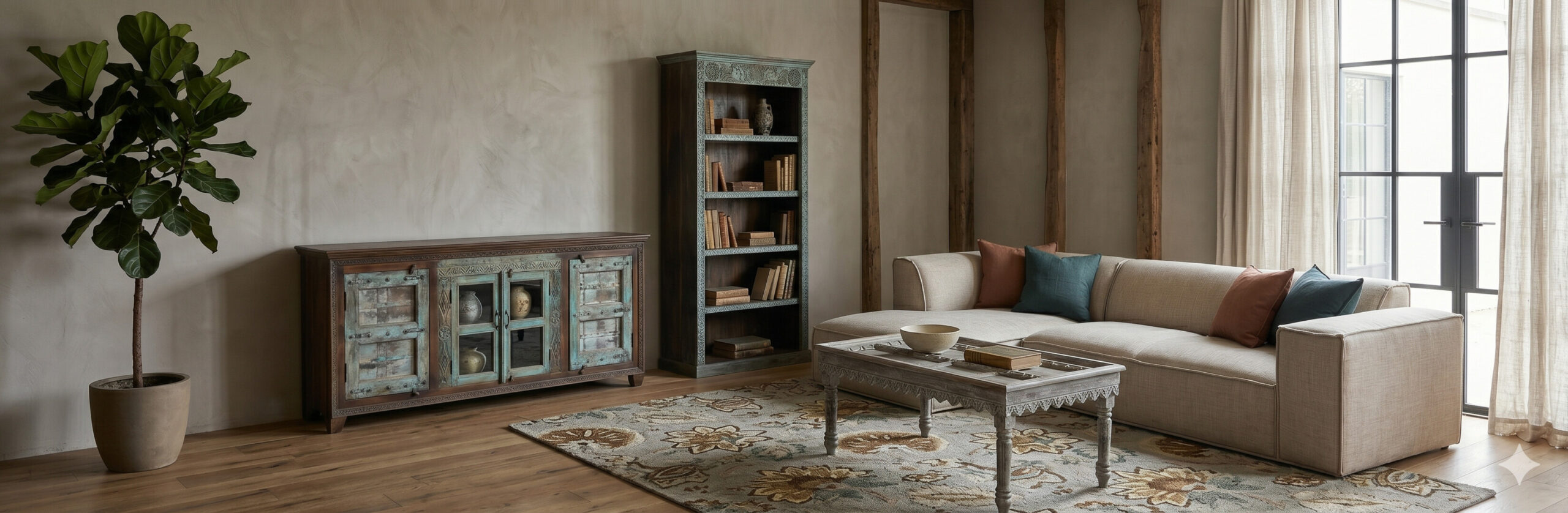
Mango wood is worth pausing on, because it’s one of the quietest sustainability stories in the timber category. The trees are harvested only once they stop bearing fruit, which gives a second commercial life to a tree that would otherwise be cleared. The growth cycle of seven to fifteen years is fast for hardwood. And the resulting timber is dense, strong and beautifully grained. That’s a rare combination — and it’s part of why mango sits across so much of the range, from dining tables to sideboards to smaller carved pieces.
“If you can imagine the piece looking better in a decade than it does on delivery day, it is probably a forever piece.”
Letting the material lead.
The other shift worth naming is in how the pieces are designed. The forever piece is rarely the result of a designer imposing a shape onto a material. More often, it’s the material that suggested the shape, and the maker who listened. That’s why so many of the strongest pieces in the range read as natural rather than imposed.
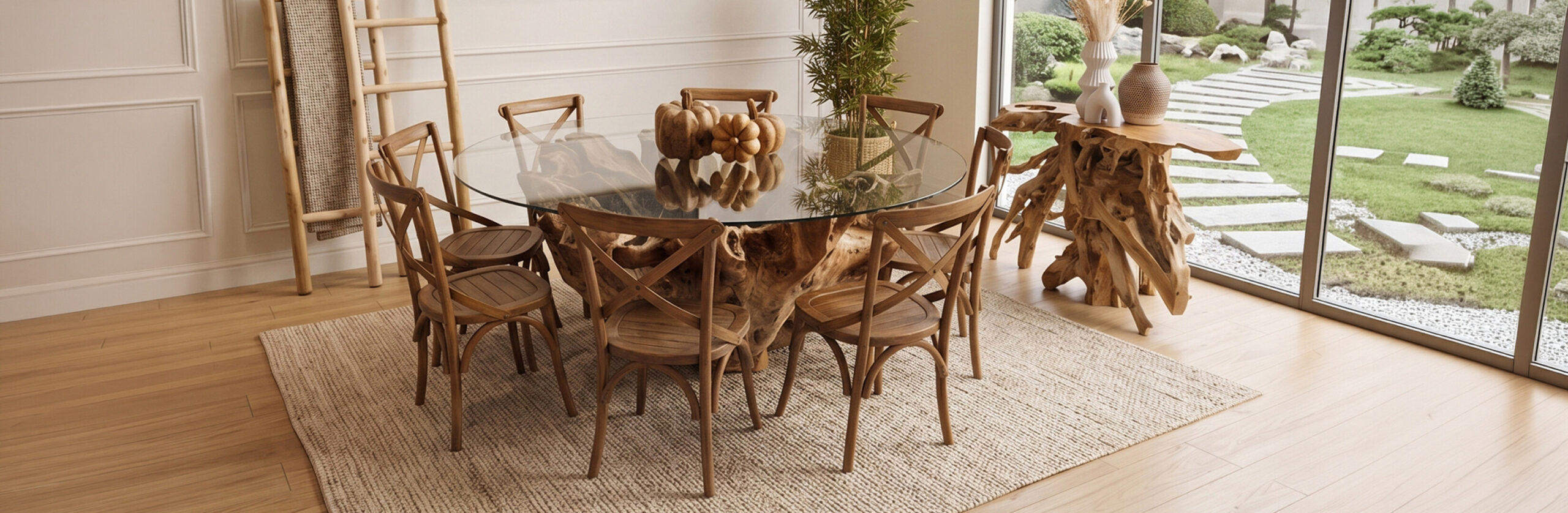
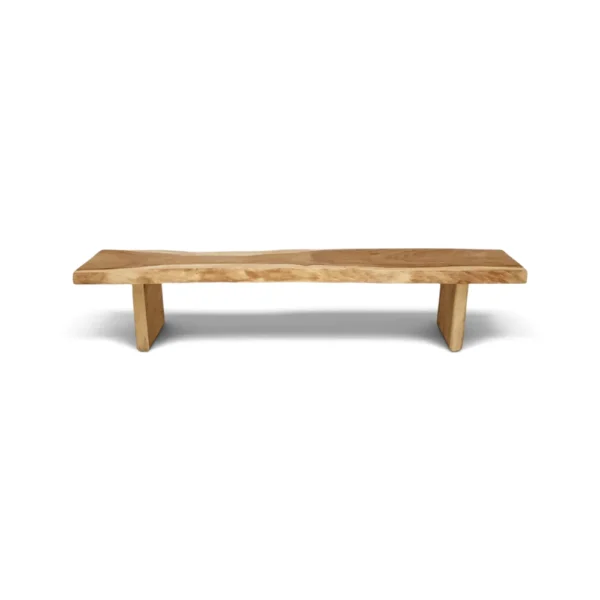
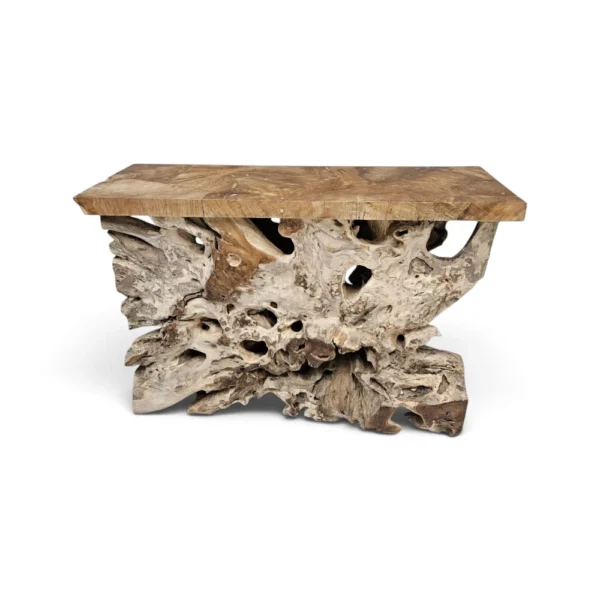
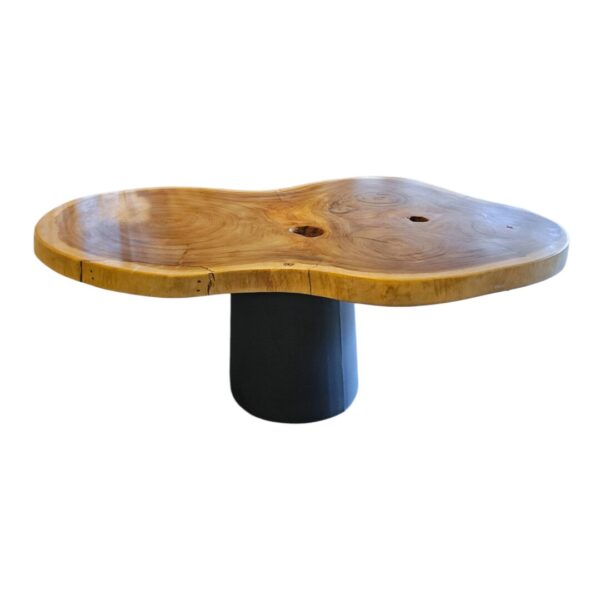
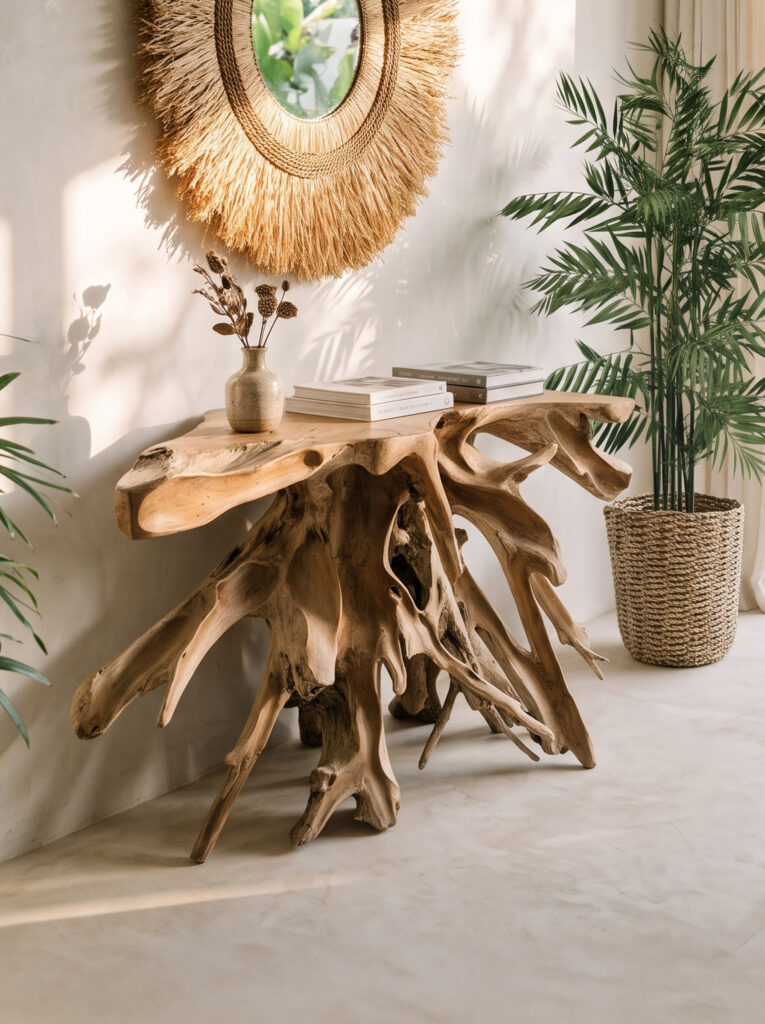
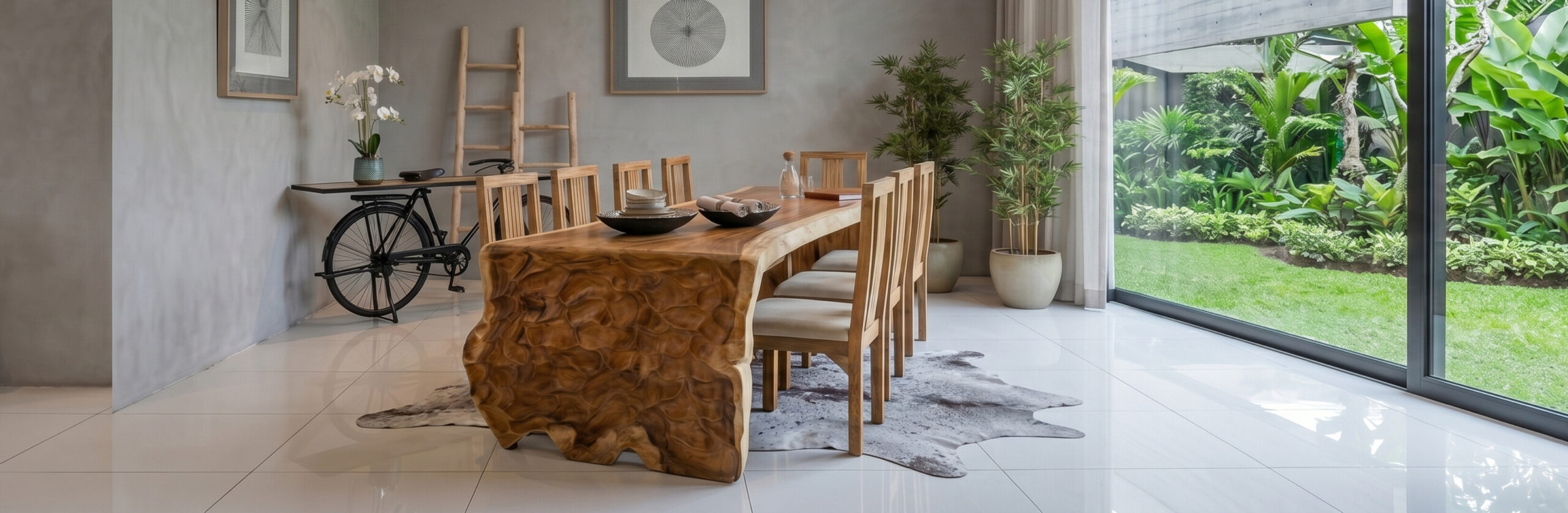
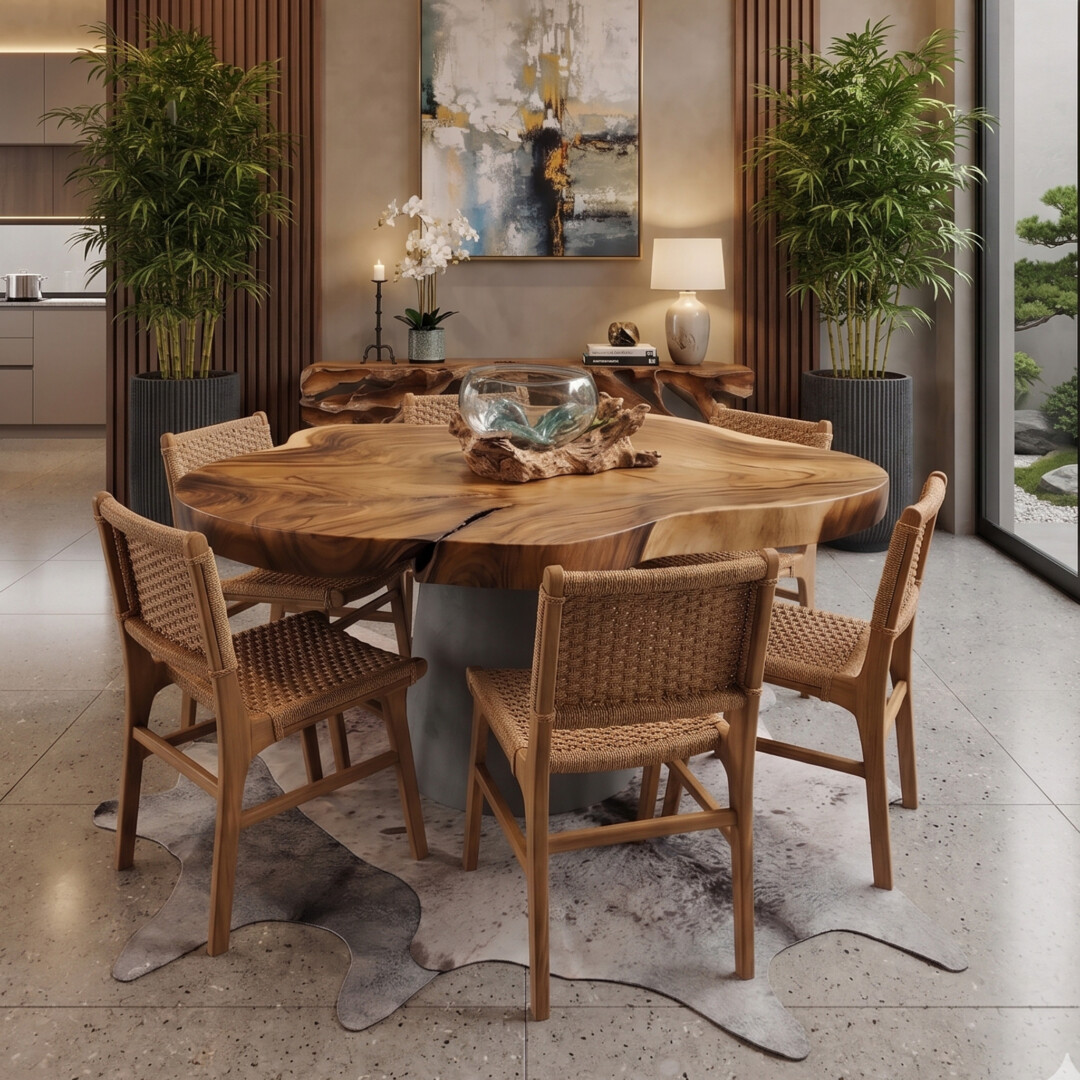
Live-edge tables are the clearest example. A suarwood dining table cut from a single slab keeps the natural edge of the tree, with the grain and the irregularities preserved rather than cut away. The piece reads as confident because the timber was confident to begin with. Driftwood pieces work the same way. Mirrors framed with driftwood, decor pieces built around a single found piece of wood — all of them carry the shape water and time have already given them. The maker’s job is to honour that, not to redesign it. Bamboo, which is one of the most renewable materials available, brings the same logic at a lighter weight. The natural strength of the material is the point.
Crafted, not assembled.
There’s a quiet difference between furniture that arrives at your door already made and furniture that arrives as a box of parts. The flat-pack tradition has its place, but a forever piece is rarely one of them. Most Sotran pieces arrive fully built, joined by a skilled artisan rather than by the buyer’s evening with an Allen key.
That isn’t just a convenience point. It’s a structural point. A piece assembled at the workshop by someone who knows the timber and the joinery will be stronger, more stable and longer-lived than the same piece assembled at home by someone reading an instruction sheet. The difference shows up after the first few years, when joints in flat-pack pieces start to loosen and joints in workshop-built pieces simply do not.
Choose the piece that ages well.
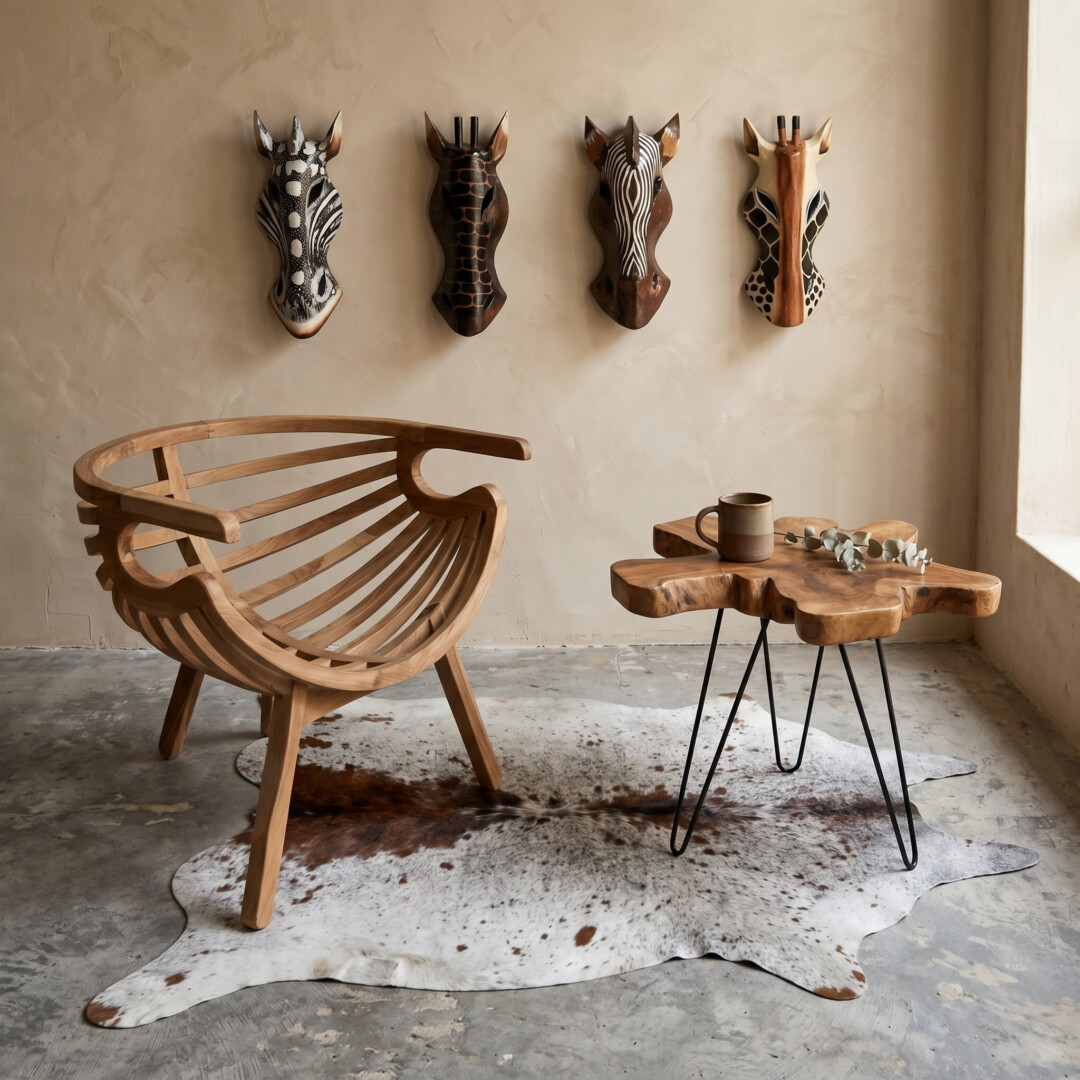
The forever piece earns its name partly because of how it changes over time. None of the changes below are degradation — they’re the timber doing what timber is supposed to do, which is carry years of light, touch and life and turn them into something the room reads as memory.
That’s the real point of a forever piece. It’s not just a piece you keep — it’s a piece that quietly absorbs the home it lives in, and gives that home back as character. Most furniture cannot do that. The pieces that can are worth choosing carefully.
Online or in-store.
This is one of the categories where seeing pieces in person genuinely changes the decision. The weight of a solid timber dining table, the depth of grain in a suarwood slab, the way a hand-finished mahogany sideboard reads in real light — all of that is hard to communicate fully on a screen. The Sotran showrooms in Boksburg, Fourways and Somerset West all carry the forever-piece range in full room settings, and the team is happy to talk through material, ageing and pairing for the specific room you’re working with.
The range also orders well online. Product pages include detailed photography, dimensions and material sourcing information, and the team is available by WhatsApp, phone or email to confirm scale or finish before ordering. Combined with nationwide delivery, this makes it straightforward to bring a forever piece into a home from anywhere in South Africa.
A few quick questions.
What makes a piece of furniture a forever piece?
A forever piece is defined by material, craftsmanship and how it ages. The pieces worth keeping for decades develop a patina rather than a wear pattern, soften into the body rather than collapsing under it, and look better at year ten than they did on delivery day. Solid plantation timber, skilled joinery and finishes designed to age are the practical signs of a piece in this category.
Where is the timber in the Sotran range sourced?
From carefully managed plantations in Java and the volcanic regions of Sumatra, using non-indigenous species such as teak and mahogany. The plantation model supports sustainability and helps protect the rainforests of Borneo and Sumatra from the pressure of indigenous-species harvesting. Mango wood is harvested only once trees stop bearing fruit, giving a second commercial life to a tree that would otherwise be cleared.
Why do live-edge and driftwood pieces look so different from standard furniture?
Because the material led the design rather than the other way around. A live-edge suarwood table preserves the natural edge of the tree, with the grain and irregularities kept rather than cut away. Driftwood pieces carry the shape water and time have already given the wood. The maker’s job is to honour the material, not to redesign it.
How does solid timber age over time?
Well. Teak develops a soft silver-grey patina outdoors and a deeper honey tone indoors. Mahogany deepens into a richer, warmer colour. Suarwood holds its grain and gains depth. Mango settles into a darker, more lived-in version of itself. These changes aren’t wear — they’re the timber doing exactly what good timber is supposed to do.
Are Sotran pieces flat-packed or fully assembled?
Most pieces arrive fully assembled, built by skilled artisans at the workshop rather than by the buyer at home. That isn’t just a convenience point. Workshop-built joinery is structurally stronger and longer-lived than the same piece assembled from flat-pack, and the difference shows up after the first few years of use.
Can I shop the Sotran range online?
Yes. A wide selection of the range is available to shop online at sotran.co.za, with nationwide delivery across South Africa. The Boksburg, Fourways and Somerset West showrooms carry the full range and are particularly worth visiting for solid timber dining tables, sideboards and couches — where the weight, grain and finish read more honestly in person.