Boho furniture and decor
Boho furniture and decor: bohemian warmth with an editor's eye. Natural timber, woven rattan, macramé and soft light, edited down for calm. A guide to modern boho style that suits the way South African homes are lived in.
Boho has a reputation for clutter: layers of pattern, too many cushions, plants on every surface and nowhere to put a cup down. Modern boho keeps the warmth and drops the chaos. It is a style built on natural materials, handmade surfaces and soft light, edited down so that every piece has room to be seen.
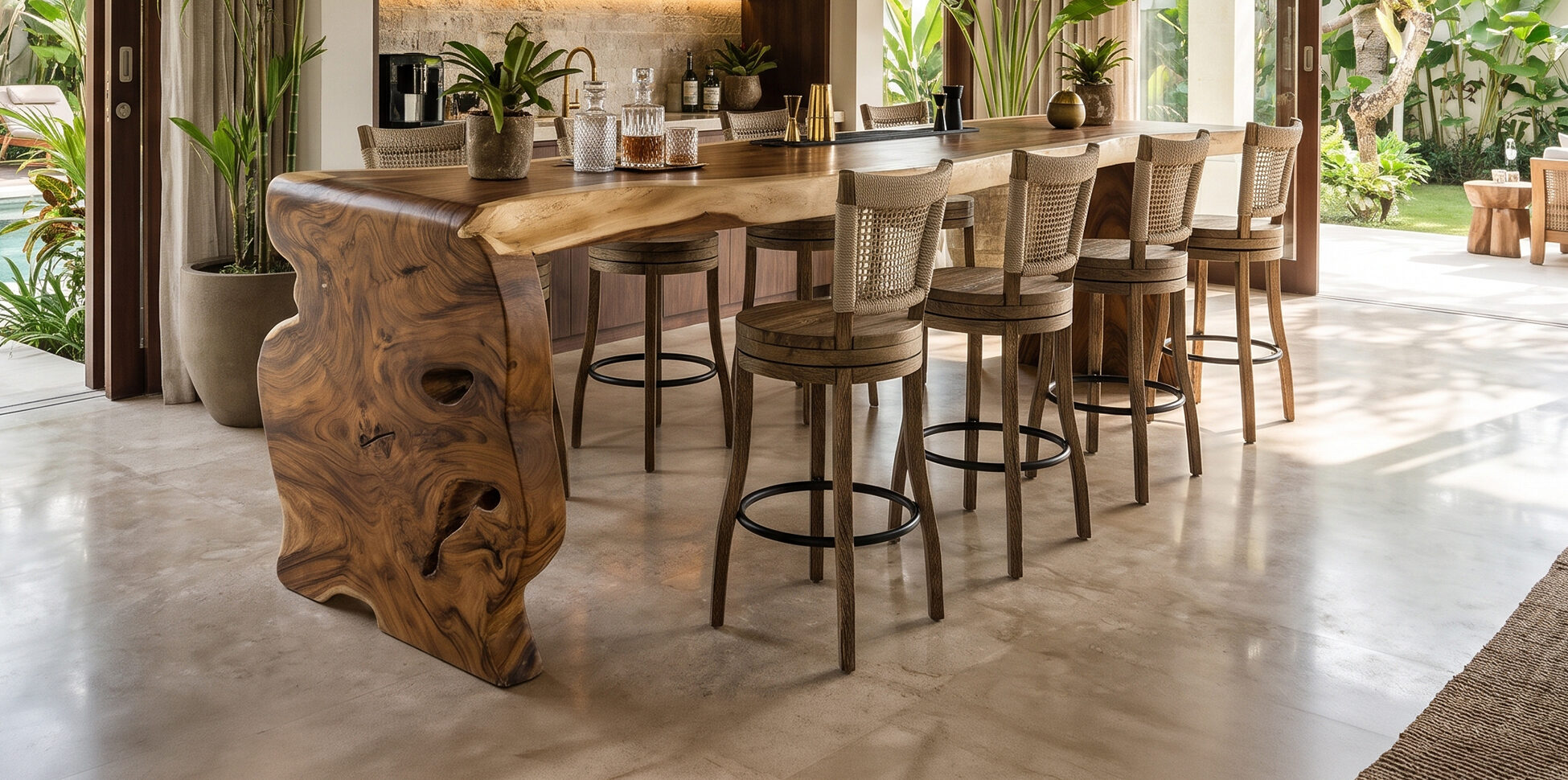
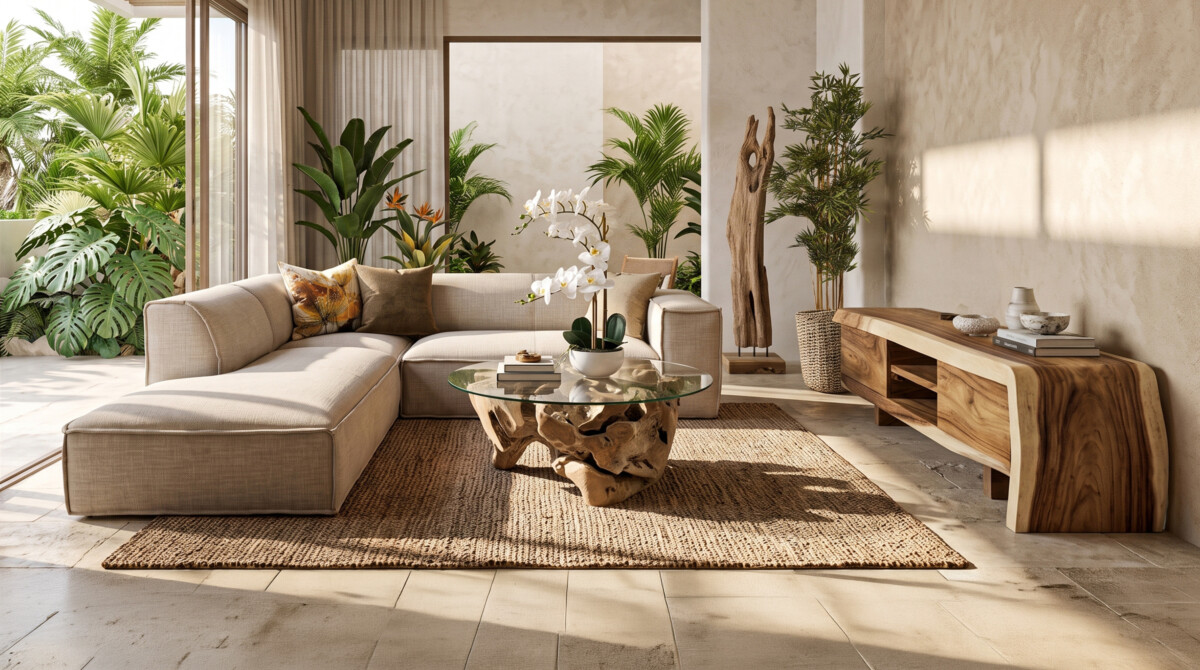
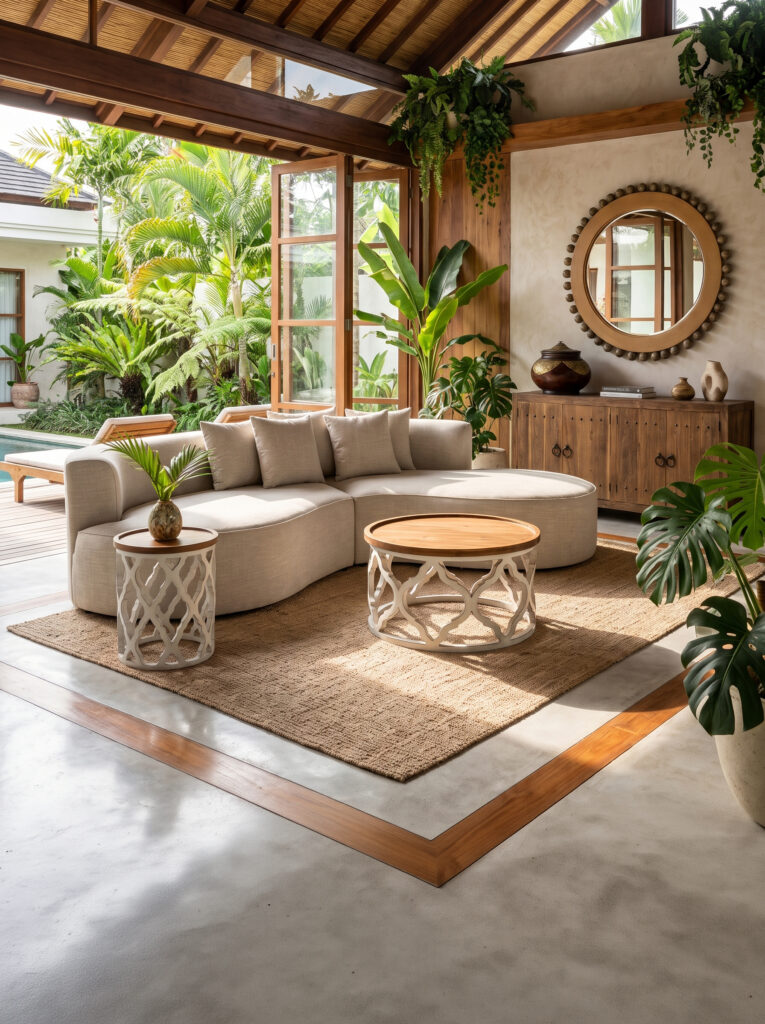
Done well, a modern boho room feels collected rather than decorated. The furniture is honest timber, the textures are woven by hand, and the colour comes from the materials themselves: honey teak, sun-bleached rattan, oatmeal cotton and the occasional deep, earthy accent.
It is also one of the easiest styles to live with in South Africa, because so much of it was shaped by warm climates, open doors and homes where indoors and outdoors run into each other.
What modern boho actually is.
Traditional bohemian style is maximalist by nature, mixing colours, patterns and objects from many places at once. Modern boho borrows its spirit and its materials but works with a quieter palette and fewer, better pieces. Think warm neutrals, plenty of texture, one or two statement objects per room and generous empty space around them.
The test is simple. If the eye can rest somewhere, the room is modern boho. If it cannot, the room has drifted back into clutter.
Modern boho is bohemian warmth with an editor’s eye.
Why it suits South African homes.
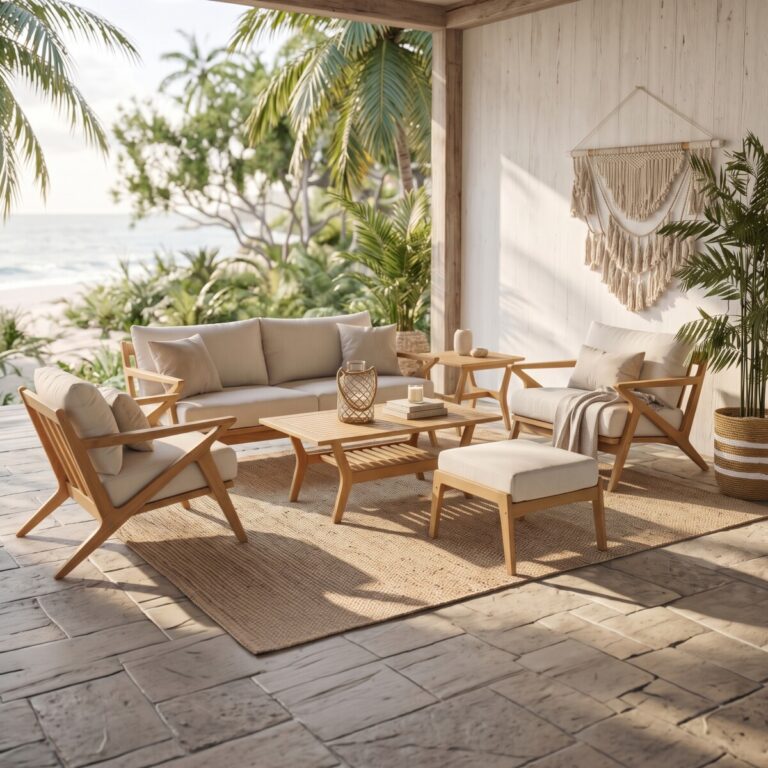
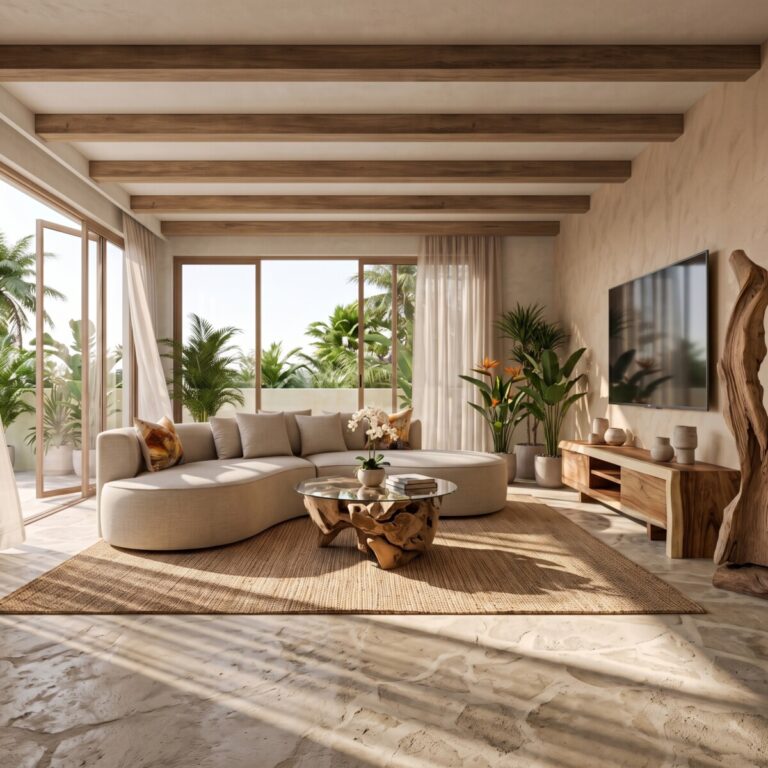
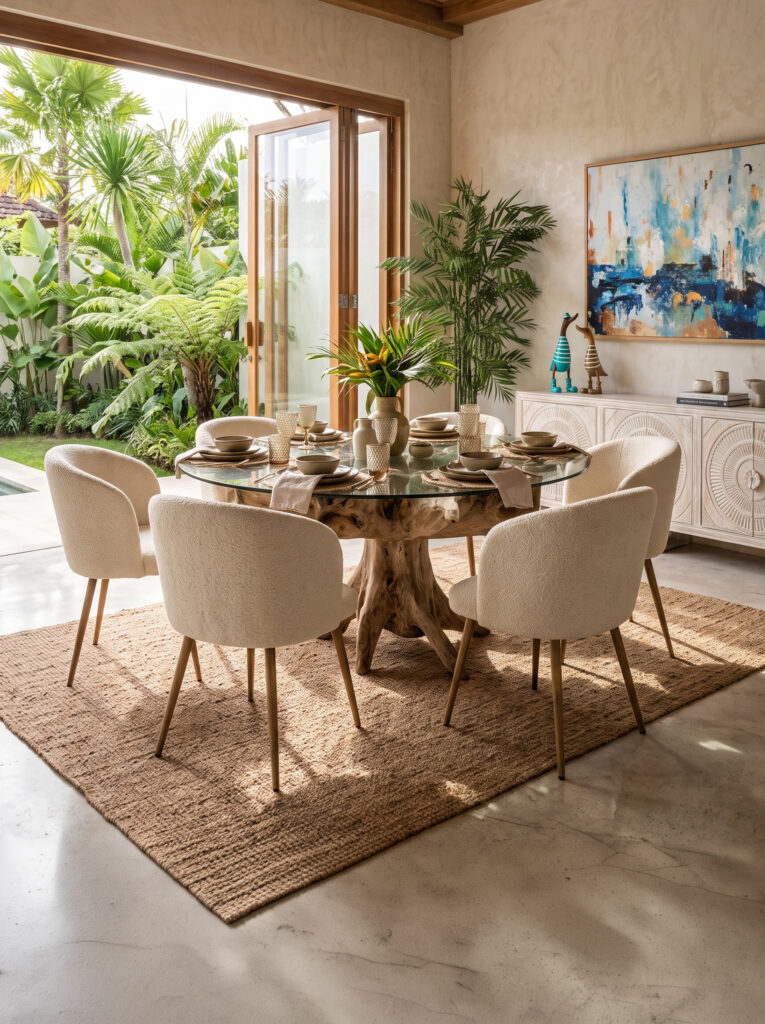
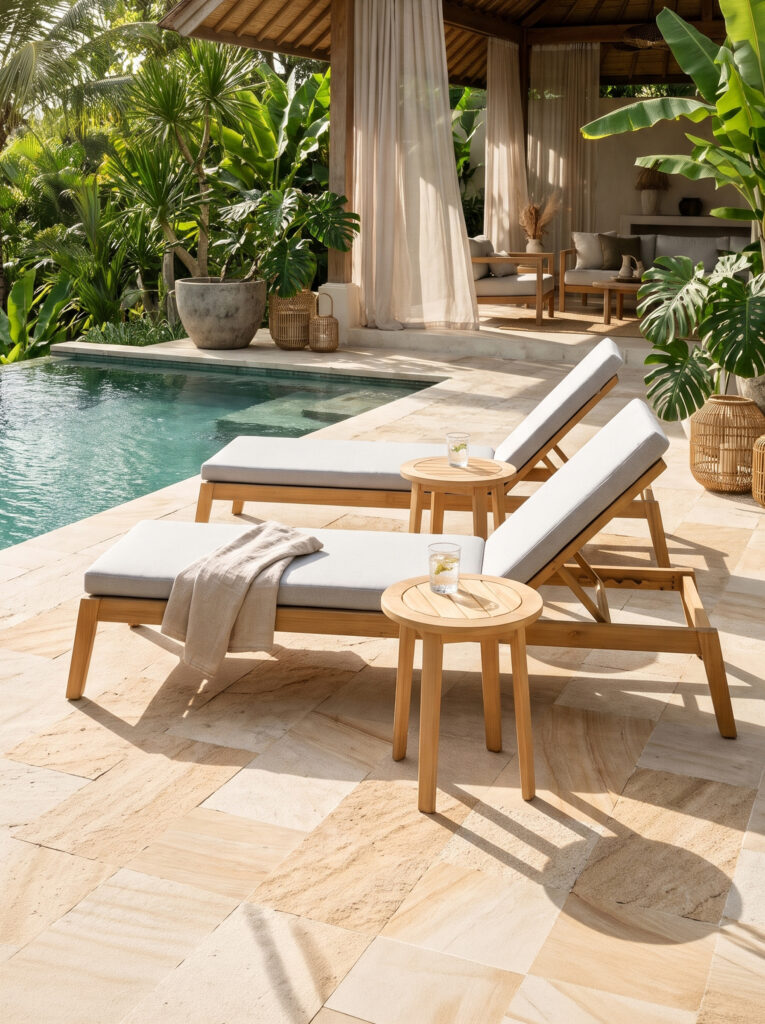
Boho grew up in sunny places, and it shows. Natural fibres breathe in summer heat, timber and rattan look their best in strong daylight, and a style that welcomes plants and woven textures sits naturally beside a garden, a stoep or a pool. Homes from the Highveld to the coast already have the light and the indoor and outdoor rhythm the look depends on.
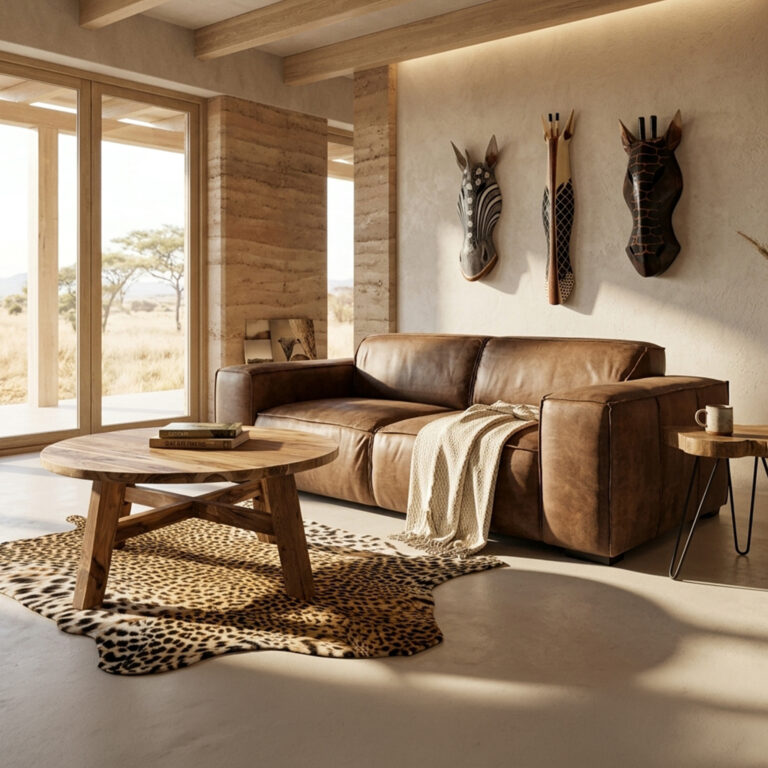
It also travels easily between styles. A boho room can lean towards the beach, the bush or the city, and it shares a great deal with the Bali furniture and coastal decor many South African homes already use.
The light that makes South African homes bright is the same light boho is built for.
Natural materials do the heavy lifting.
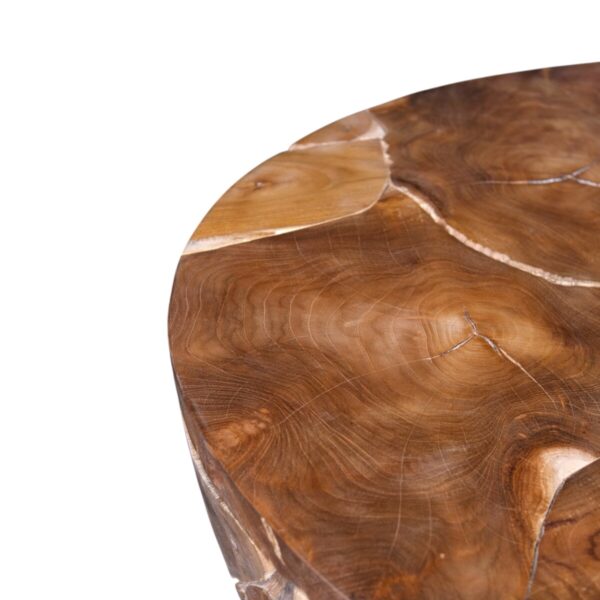
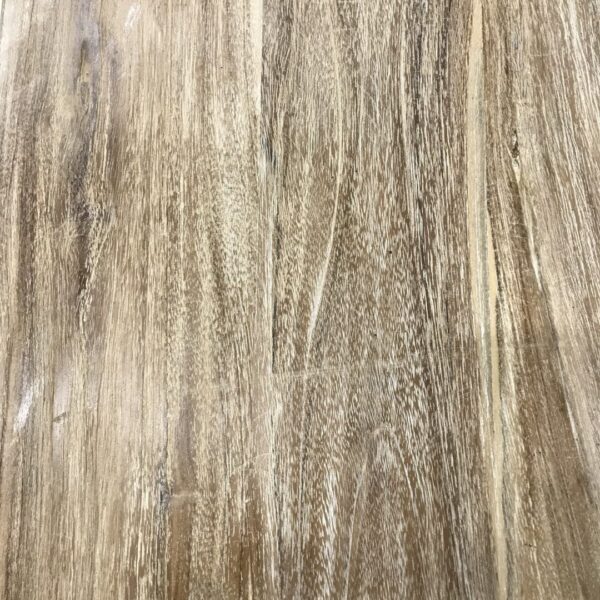
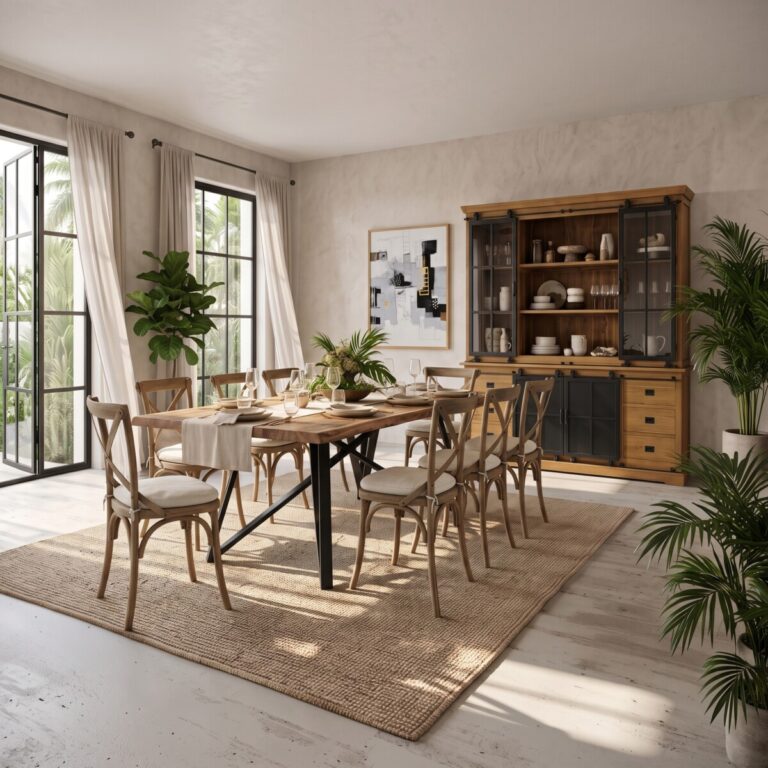
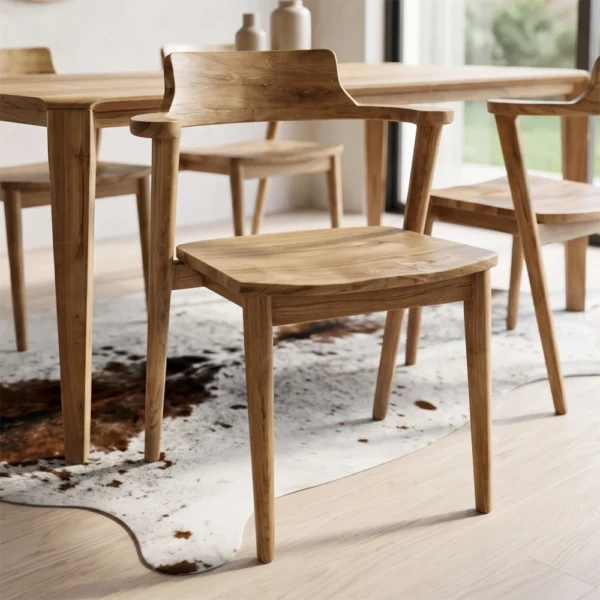
The foundation of the style is the material palette. Solid teak and mango wood give warmth and weight. Rattan, cane, seagrass and bamboo bring a lighter, woven texture. Jute and cotton soften floors and furniture, and terracotta, clay and whitewashed finishes add an earthy, sun-worn note.
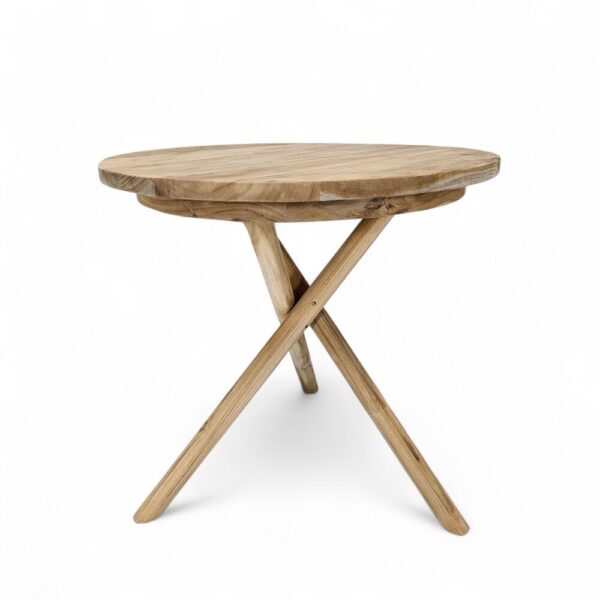
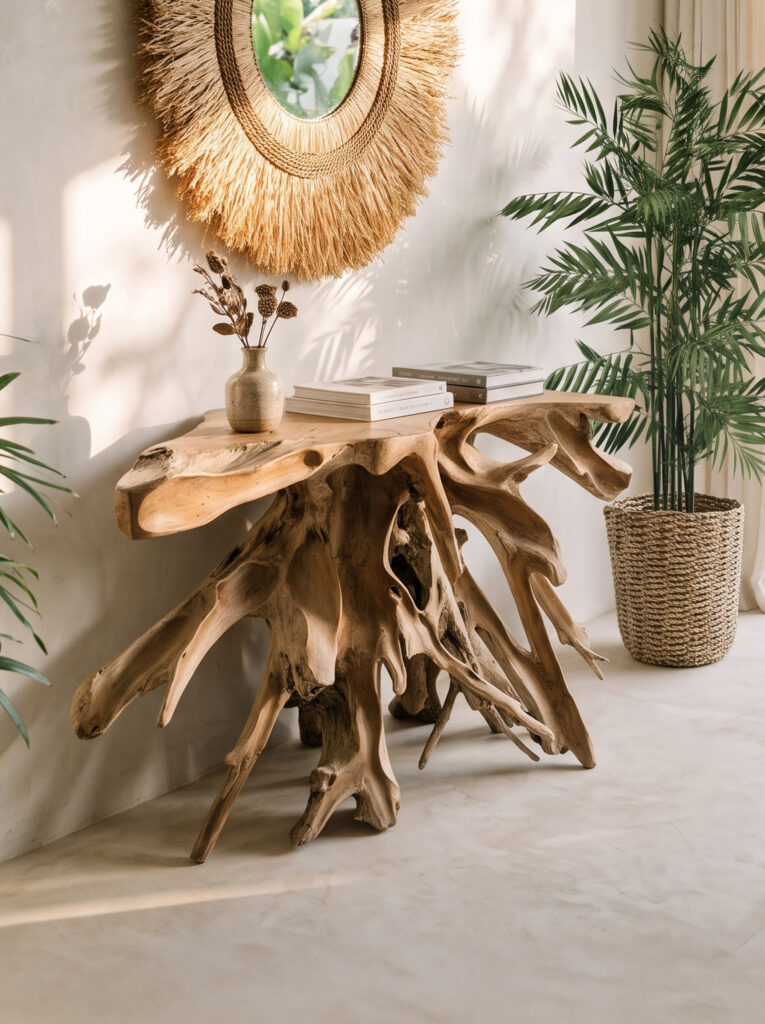
Mixing two or three of these in one room creates depth without needing colour. A timber table on a jute rug beneath a rattan pendant already reads as boho before a single cushion has been chosen. Too many competing finishes, on the other hand, start to look accidental rather than collected.
In modern boho, texture does the work that colour does elsewhere.
Furniture with a handmade surface.
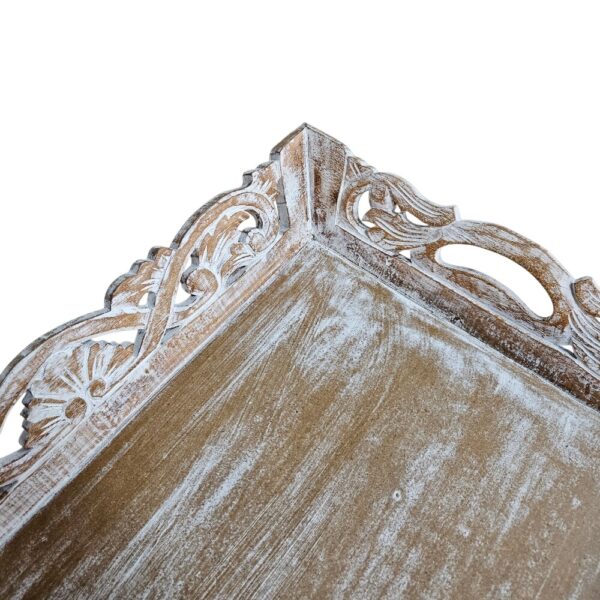
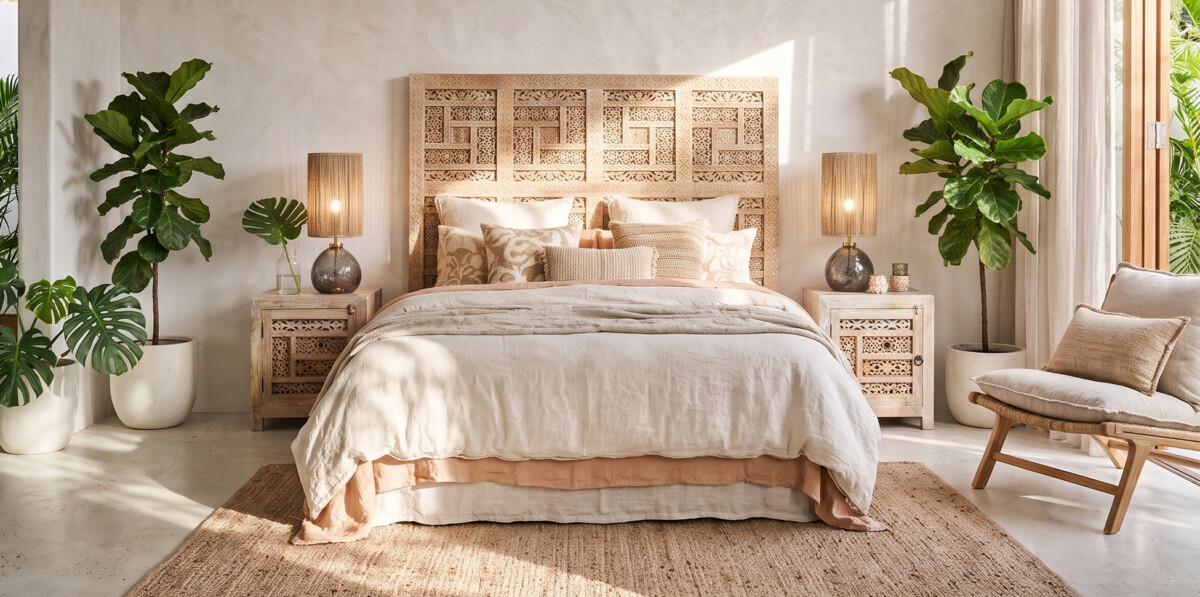
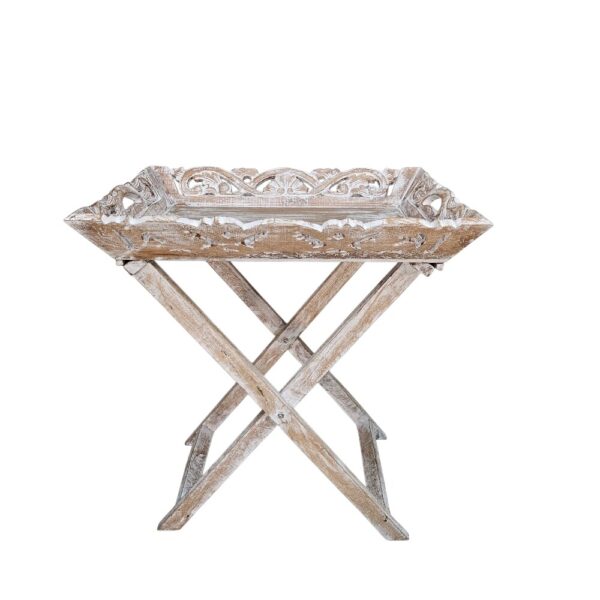
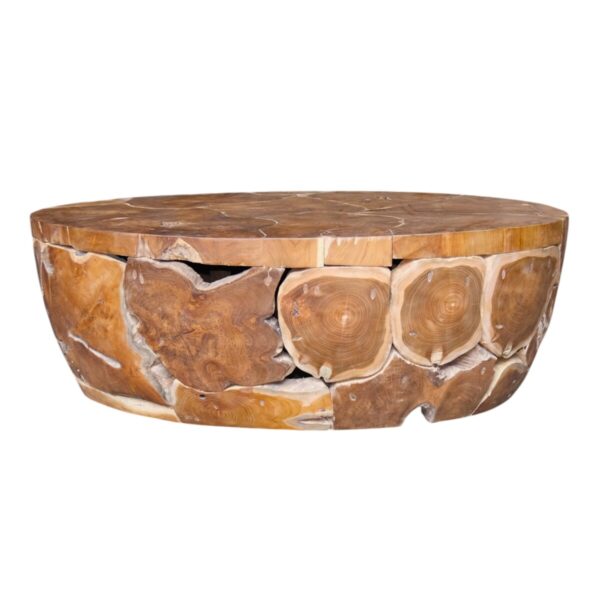
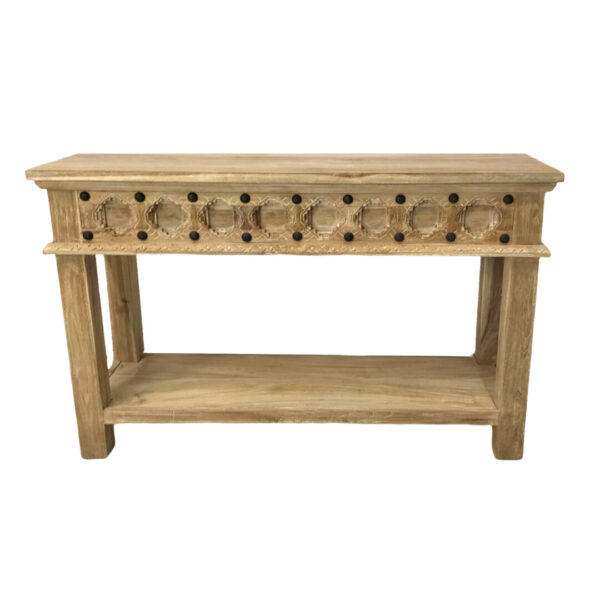
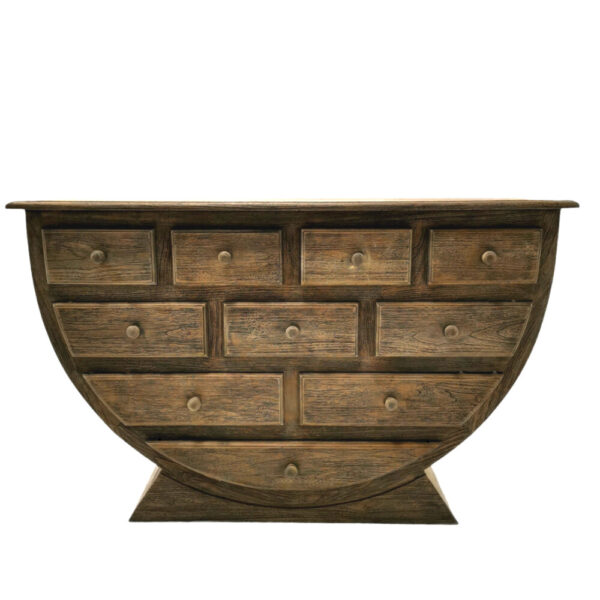
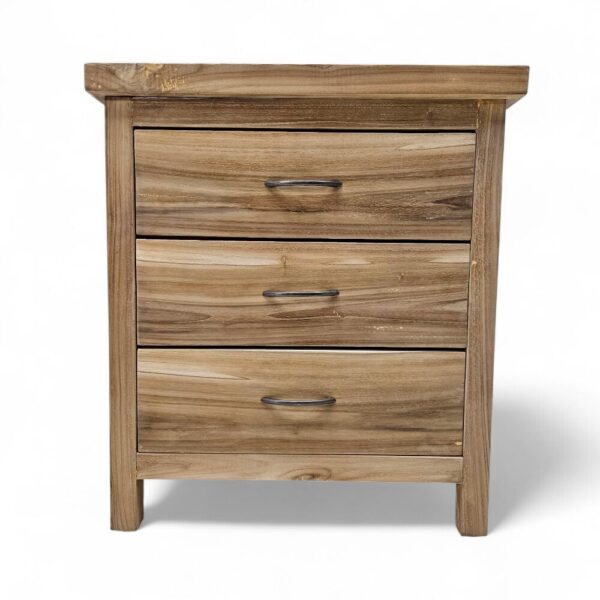
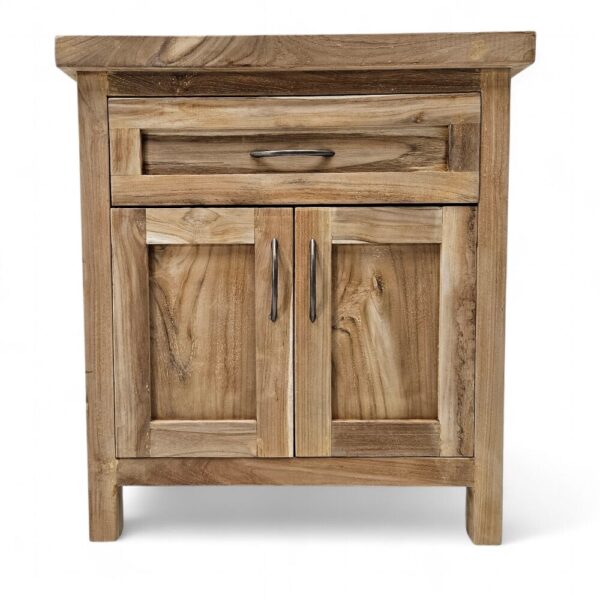
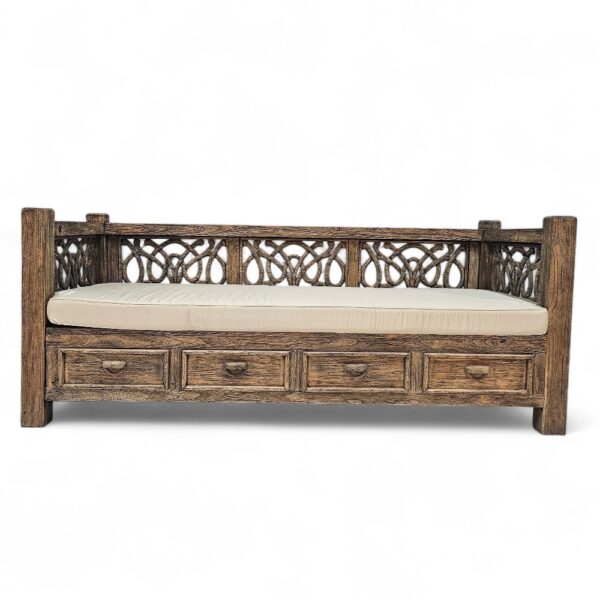
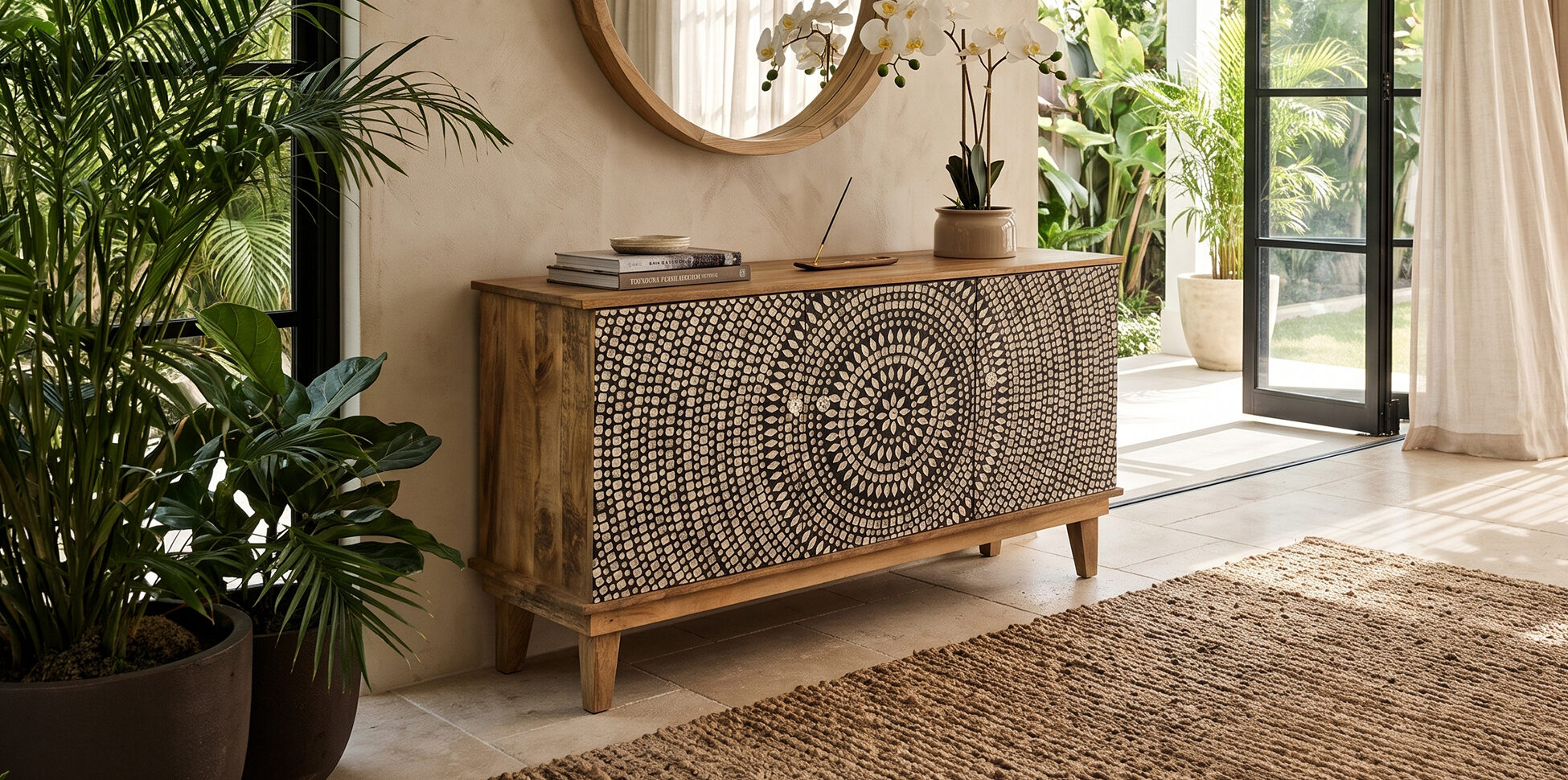
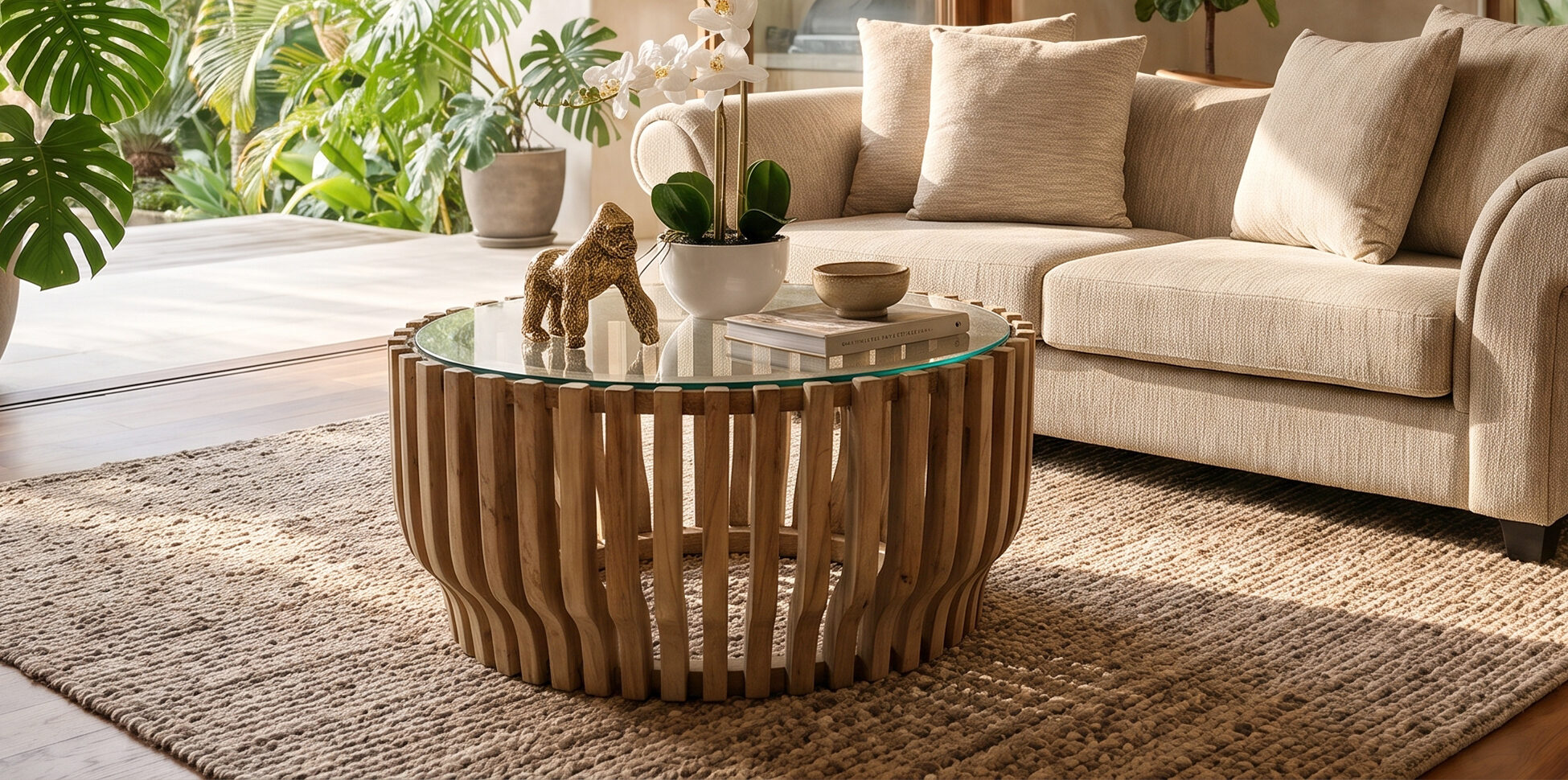
Boho furniture rarely looks machine-perfect. Carving, inlay-style patterns, slatted timber and distressed or whitewashed finishes all show the hand of the maker, and that is what gives a piece its character. A sideboard with patterned doors or a coffee table built from rounded timber slats can carry a whole room on its own.
The modern part is restraint. One strongly patterned piece per room is usually enough, surrounded by plainer shapes and natural textures that let it stand out.
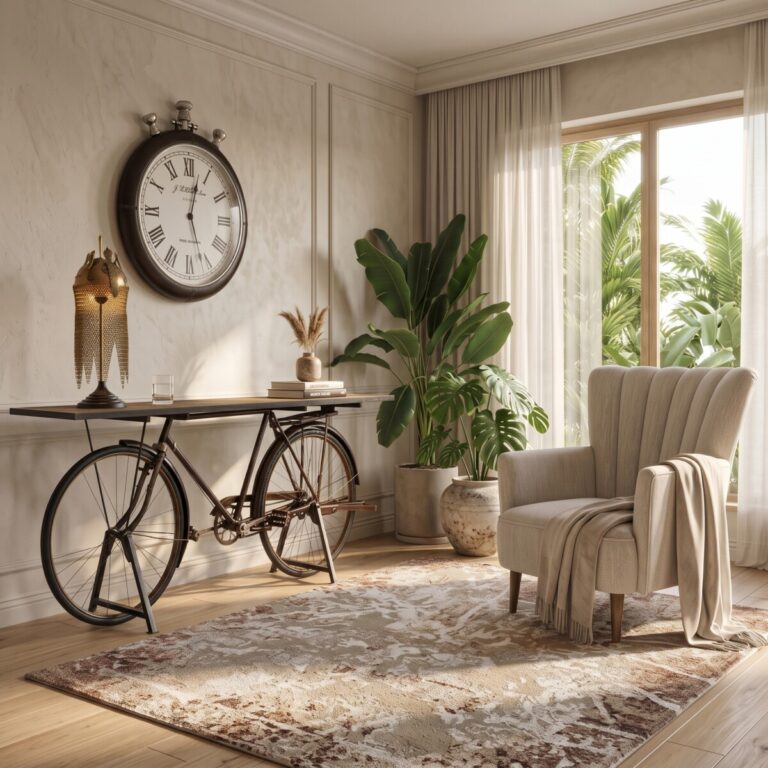
The handmade piece is the hero, and the rest of the room should know it.
Woven light.
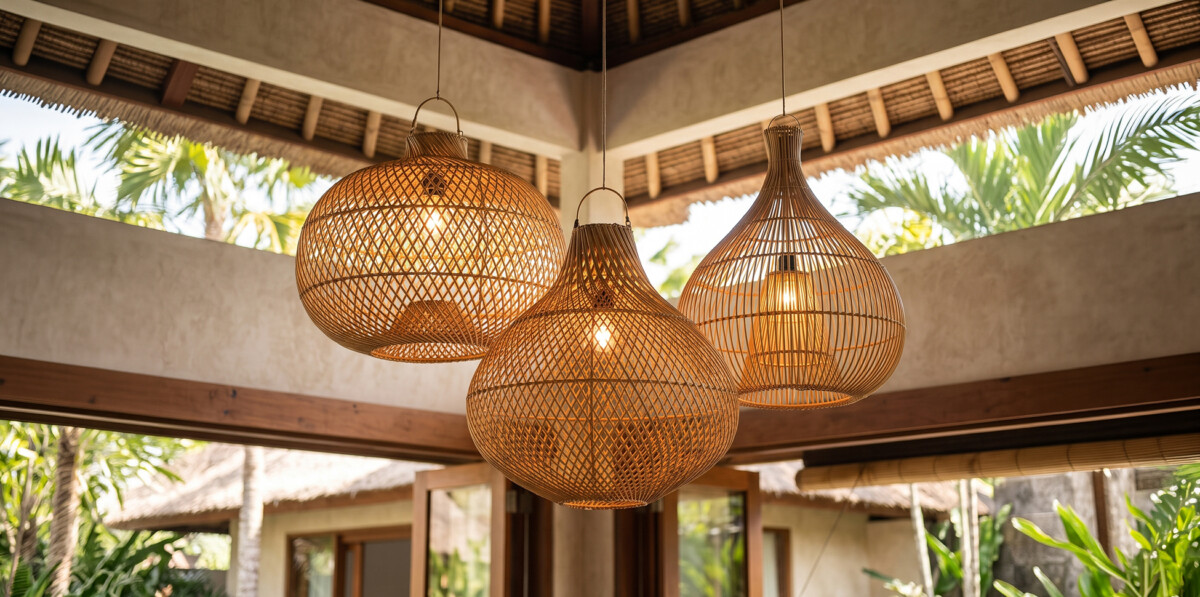
Lighting is where boho is easiest to get right. Woven rattan and bamboo ceiling lamps cast patterned, softened light that changes the mood of a room after dark, and they look as good switched off as on. Hung in a group at slightly different heights, they become a feature in their own right over a dining table or in a double-volume space.
Warm white bulbs suit natural fibres best. Cool light flattens the texture that makes woven shades worth having.
A woven shade is decoration by day and atmosphere by night.
Walls that soften the room.
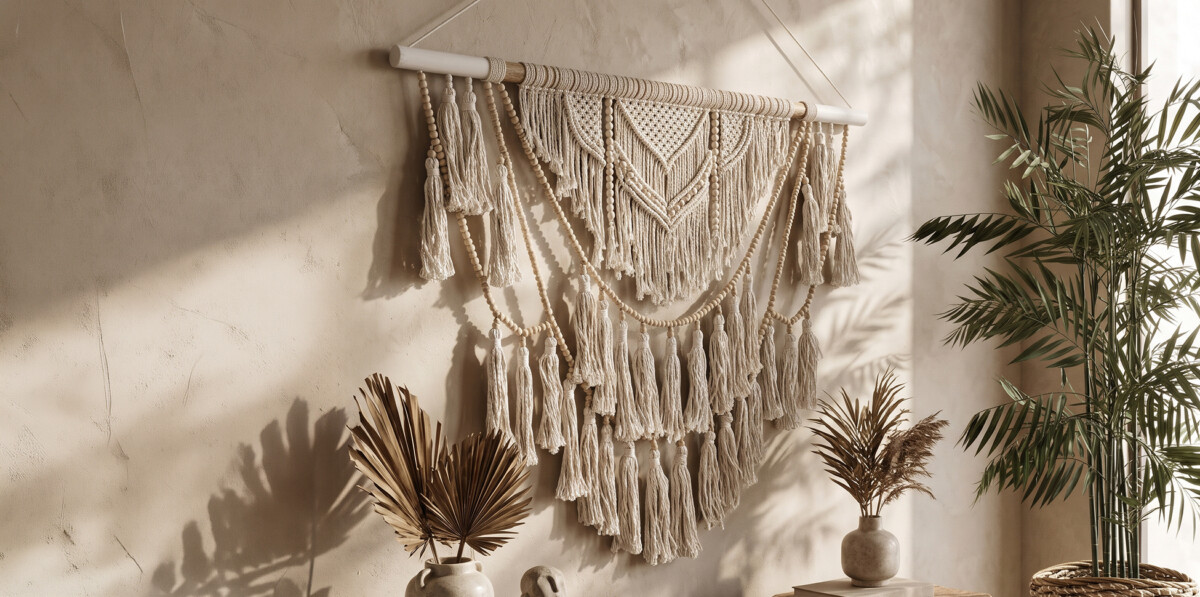
Bare walls make a boho room feel unfinished, and heavily framed art can feel too formal. Macramé hangings, woven pieces, hand-painted canvases and timber-framed mirrors sit in between, adding texture at eye level without hardening the look. The wall art that works best usually repeats a material already in the room, such as cotton, timber or rope.
Dried palms, pampas and simple clay vases beneath a hanging complete the picture, and woven baskets earn their place as both storage and texture.
Texture on the walls is what makes a boho room feel finished.
The boho bedroom.
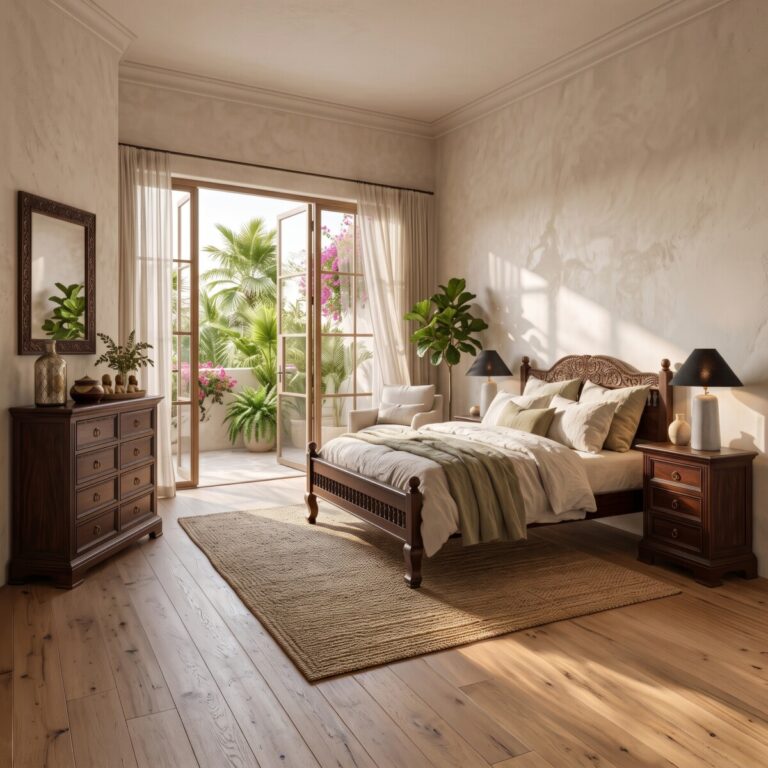
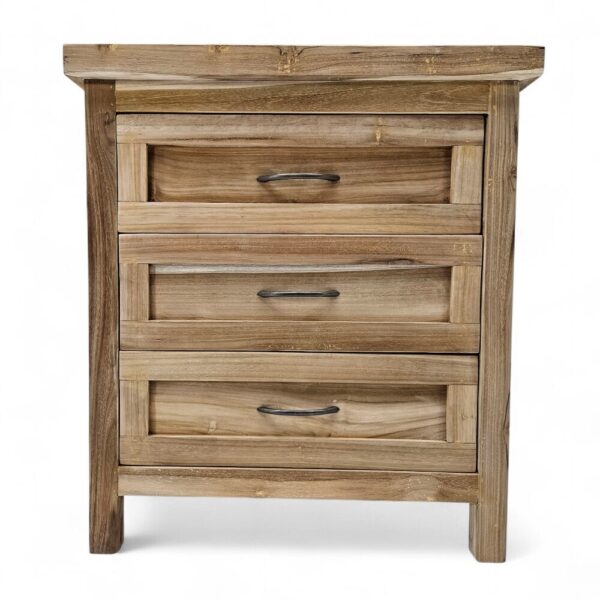
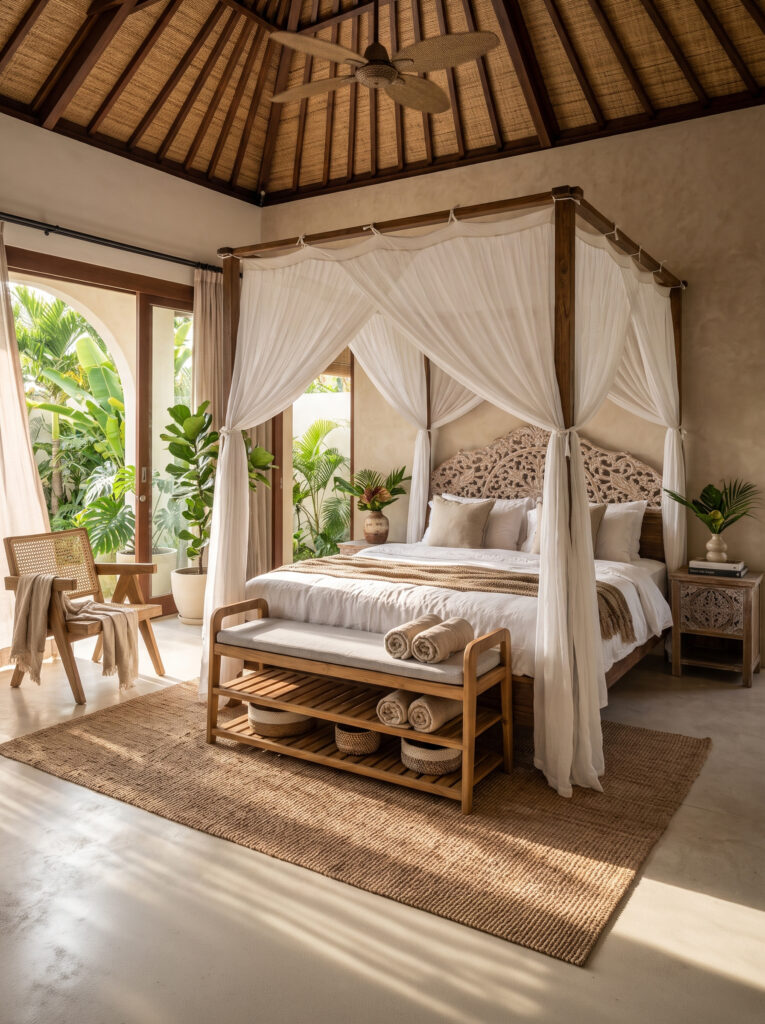
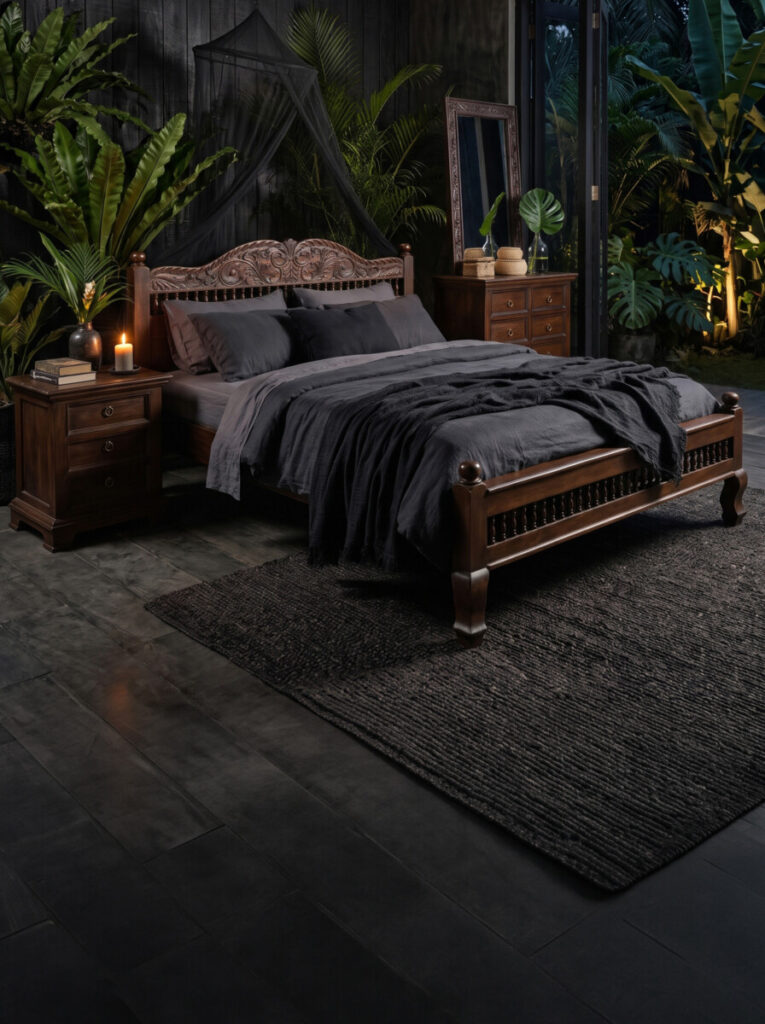
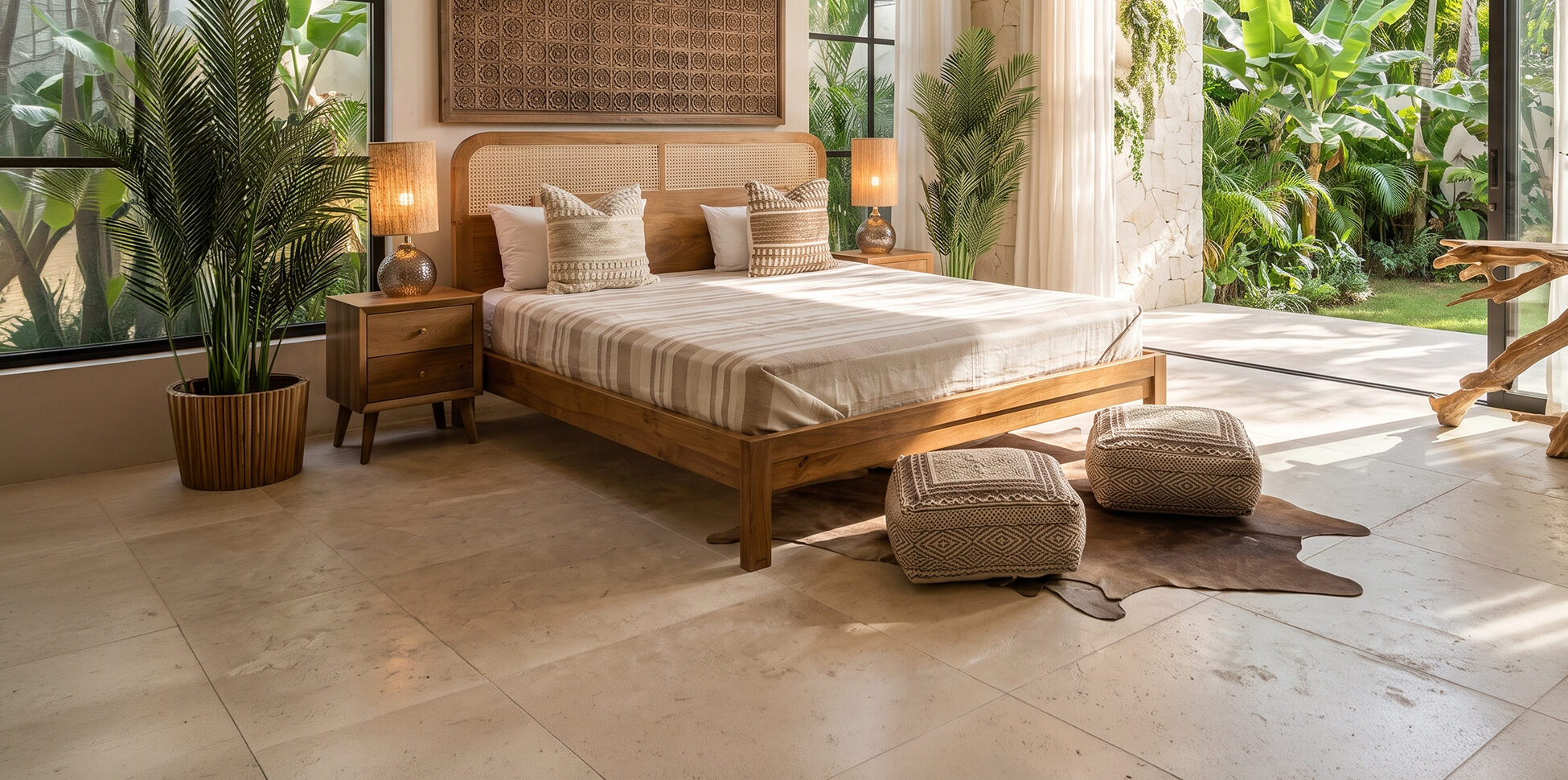
The bedroom is where boho feels most at home. A timber bed with a cane or rattan headboard sets the tone, layered with striped or textured cotton bedding, a throw at the foot and a pair of woven poufs. Timber bedside tables and lamps with natural shades keep the palette consistent.
A single rug, a large plant and one piece of wall art above the bed are usually all the room needs. More than that and the calm the bedroom is meant to offer starts to disappear.
A boho bedroom should feel like a holiday, not a market stall.
Online or in-store.
Boho depends on texture, and texture is hard to judge on a screen. The weave of a rattan shade, the grain of a carved door and the true colour of a whitewashed finish all read more honestly in person, and the Sotran showrooms in Boksburg, Fourways and Somerset West make it easy to see how different materials sit together before committing to a room.
The full Modern Boho collection can also be browsed online, with nationwide delivery across South Africa.
Boho was never really about clutter. With the excess taken away, what remains is warmth, texture and a room that feels lived in from the first day.
A few quick questions.
What is modern boho style?
Modern boho is a calmer, edited version of bohemian style. It keeps the natural materials, handmade pieces and texture, but uses a neutral palette and fewer objects so the room feels relaxed rather than cluttered.
What materials are used in boho furniture?
Solid timbers such as teak and mango wood, woven materials such as rattan, cane, seagrass and bamboo, and natural textiles such as jute and cotton. Terracotta and whitewashed finishes are common accents.
What colours suit a boho living room?
Warm neutrals such as sand, cream and oatmeal work best as a base. Earthy accents like terracotta, olive or charcoal add depth without overwhelming the natural textures.
How do I make a room boho without it looking cluttered?
Choose one statement piece per room, repeat two or three natural materials, and leave clear space on surfaces. Texture should do the work, not the number of objects.
Does boho decor work in South African homes?
Very well. Its natural fibres, warm timbers and love of light suit the South African climate and the indoor and outdoor way many homes are lived in.
Where can I buy boho furniture and decor in South Africa?
Sotran’s Modern Boho collection is available online with nationwide delivery, and can be seen in person at the Boksburg, Fourways and Somerset West showrooms.
Explore the Sotran Modern Boho collection online, or see it in person at a showroom in Boksburg, Fourways or Somerset West.